Ranunculus: The Fascinating World of Buttercups and Water Crowfoots
From the sunny meadows of temperate regions to the quiet depths of running streams, the genus Ranunculus is a ubiquitous presence in the natural world. Commonly known as buttercups, spearworts, or water crowfoots, this diverse group of flowering plants belongs to the family Ranunculaceae. With approximately 1,700 to 1,750 species, the genus represents a massive evolutionary success story that spans the globe.
While many recognize them as bright yellow garden visitors, the biological complexity and historical significance of Ranunculus extend far beyond their cheerful appearance. Whether they are acting as opportunistic colonizers in a garden or specialized aquatic inhabitants, these plants have carved out niches in nearly every corner of the Earth, excluding Antarctica.
Key Facts
- Diversity: Approximately 1,700 to 1,750 different species.
- Common Names: Buttercups, spearworts, and water crowfoots.
- Habitat: Primarily temperate and montane regions worldwide.
- Toxicity: All species are poisonous when eaten fresh.
- Evolutionary Age: Fossil evidence dates back to the Late Eocene.
Botanical Characteristics and Morphology
Ranunculus species are primarily herbaceous plants, meaning they have non-woody stems. Most are perennial (living for multiple years), though some species function as annuals or biennials. Many perennials utilize runners to spread, developing new plants at distant nodes.
Leaves and Stems
The leaves of buttercups typically lack stipules (small appendages at the base of a leaf stalk) and feature petioles (leaf stalks). They are often palmately veined and can range from being entire to deeply incised or even compound. In aquatic species, the leaves may become very fine and linear to adapt to life underwater.
The Science of the Shiny Petal
One of the most striking features of many Ranunculus species is the highly lustrous, mirror-like quality of their petals. This is not merely for aesthetics; the smooth upper surface of the petal creates a reflection that serves two vital biological purposes: attracting pollinating insects and assisting in the temperature regulation of the flower's reproductive organs.
Flower Structure
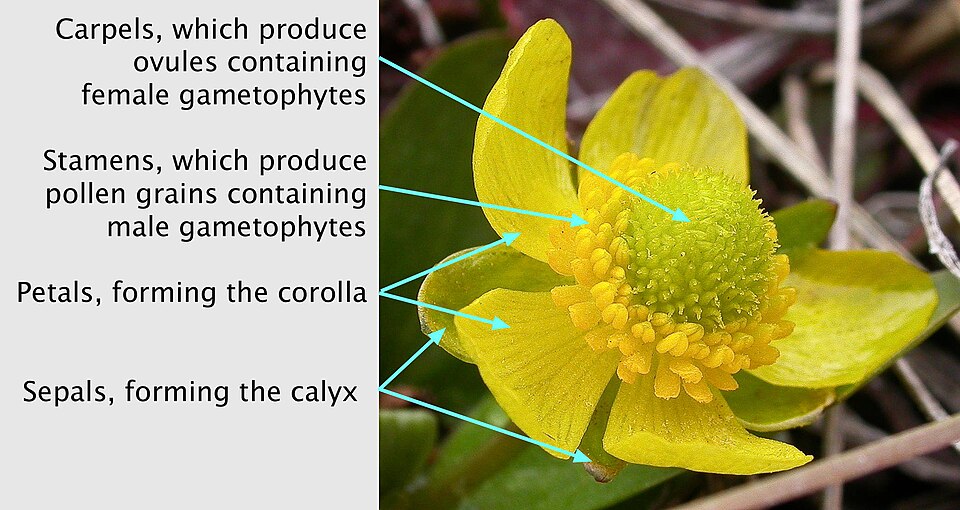
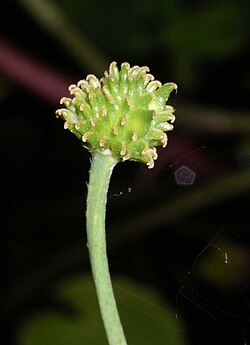
The flowers are typically hermaphrodite, containing both male and female reproductive parts. While they most commonly feature five petals, the number can vary from three to seven. The petals are usually yellow, white, or greenish, though some may show tints of red, purple, or pink. At the center, the carpels (female reproductive parts) and anthers (male pollen-producing parts) are often arranged in a spiral on a dome-shaped receptacle.
Diversity of Habitats: Terrestrial and Aquatic
The genus is split into various ecological roles. Terrestrial species are common in meadows and gardens, such as the widespread creeping buttercup (Ranunculus repens), the bulbous buttercup (Ranunculus bulbosus), and the tall meadow buttercup (Ranunculus acris).
In contrast, the subgenus Batrachium, known as water crowfoots, has adapted to life in still or running water. These plants exhibit heterophylly, meaning they possess different leaf types depending on their environment: thread-like leaves for underwater growth and broader leaves that float on the surface. Some species, like R. aquatilis, even feature a third, intermediate leaf type.
Toxicity and Safety Precautions
Despite their beauty, all Ranunculus species are poisonous if consumed fresh. The plants contain compounds like ranunculin, which breaks down into protoanemonin when the plant is handled or damaged. This substance can cause contact dermatitis (skin irritation) in humans and severe blistering of the mouth and gastrointestinal tract in livestock.
It is important to note that these toxins are degraded by drying; therefore, hay containing dried buttercups is generally considered safe for animals. However, in overgrazed fields where other food sources are scarce, livestock may ingest fresh plants, leading to symptoms such as colic, excessive salivation, and bloody diarrhea.
Historical and Cultural Significance
The name Ranunculus is derived from Late Latin, meaning "little frog," likely due to the many species found near water. The common name "buttercup" stems from a historical misconception that the flowers provided the yellow color in butter, though the plants are actually toxic to cattle.
Cultural references to the plant are widespread:
- Folklore: In British tradition, holding a buttercup under the chin to see if a yellow reflection appears is said to indicate a fondness for butter.
- Indigenous Legends: In the Pacific Northwest, the Nez Perce and Sahaptin peoples refer to the plant as "Coyote's eyes," stemming from a legend where the animal created eyes from the flowers.
- Ancient Rome: Historical accounts suggest certain species were used by slaves to attempt to remove forehead tattoos.
Summary of Ranunculus Overview
| Feature | Details |
|---|---|
| Family | Ranunculaceae |
| Common Names | Buttercups, Spearworts, Water Crowfoots |
| Primary Habitat | Temperate and Montane regions |
| Key Toxin | Protoanemonin |
| Flower Color | Primarily yellow, white, or greenish |
Frequently Asked Questions
Are buttercups safe for pets and livestock?
No, all Ranunculus species are poisonous when eaten fresh. They can cause severe blistering of the mouth and digestive tract, as well as colic and diarrhea in animals.
Why are buttercup petals so shiny?
The petals have an extremely smooth upper surface that acts like a mirror. This reflection helps attract pollinators and helps regulate the temperature of the flower's reproductive parts.
Can I handle buttercups in my garden?
You should exercise caution. When the plant is handled, the chemical ranunculin breaks down into protoanemonin, which can cause skin irritation or contact dermatitis.
What are water crowfoots?
Water crowfoots are a subgenus of Ranunculus (Batrachium) that live in aquatic environments. They are unique because they often grow different types of leaves for underwater and floating life.
Is dried buttercup hay safe for animals?
Yes, the toxic components of the plant are degraded during the drying process, making dried hay containing buttercups safe for consumption.