Tupi People: History, Culture, and Legacy in Brazil
The Tupi people represent one of the most significant Indigenous groups in the history of South America. A subdivision of the Tupi-Guarani linguistic family, they were among the largest Indigenous populations in Brazil prior to European colonization. Originally settling in the Amazon rainforest approximately 2,900 years ago, the Tupi began a southward migration, eventually occupying the Atlantic coast of Southeast Brazil around 1,000 years ago.
Today, many Tupi descendants have merged with the Guaraní people, contributing to the broader Tupi-Guarani language group. While their historical population was vast, their contemporary presence is concentrated in specific indigenous territories and through deep genetic and cultural integration into the modern Brazilian population.
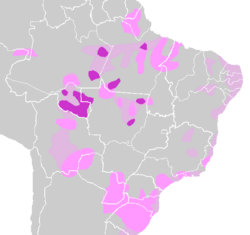
Key Facts
- Historical Population: Estimated at 1 million people around 1500.
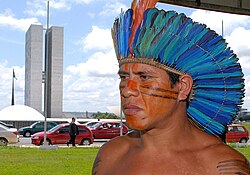
- Contemporary Population: Approximately 16,467 (including Potiguara, Tupinambá de Olivença, and Tupiniquim).
- Primary Regions: Central and Coastal Brazil.
- Linguistic Legacy: The Tupi language evolved into Língua Geral (Nheengatu), a lingua franca used until the 18th century.
- Agricultural Expertise: Cultivated cassava, maize, sweet potatoes, beans, peanuts, tobacco, and cotton.
Historical Structure and Society
When Portuguese explorers arrived in 1500, the Tupi inhabited three-quarters of the Brazilian coast. Their population was nearly equal to that of Portugal at the time. Rather than a single unified nation, the Tupi were organized into various tribes ranging from 300 to 2,000 members. Notable tribes included the Tupiniquim, Tupinambá, Potiguara, Tabajara, Caeté, Tamoios, and Temiminó.
Despite lacking a centralized political identity, these tribes were linked by a common language and a shared agricultural lifestyle, mastering the cultivation of a wide variety of crops that sustained their coastal communities.
European Colonization and Assimilation
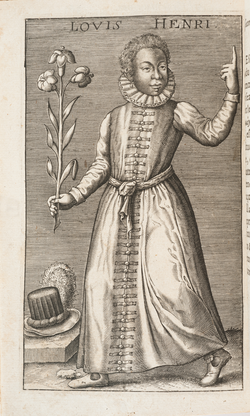
The arrival of Portuguese settlers marked a period of drastic change and decline for the Tupi. Misinterpreting the lack of European-style religious structures as a total absence of faith, the Portuguese sought to assimilate the Tupi into Christianity. This was achieved through the creation of aldeias—settlements designed to institutionalize European customs and facilitate religious conversion.
The Tupi were also exploited as laborers for export crops and were eventually enslaved. This forced labor, combined with the introduction of fatal Afro-Eurasian diseases to which the Tupi had no immunity, led to a catastrophic population collapse. Most surviving communities were either confined to indigenous territories or acculturated into the dominant colonial society.
Religion and Mythology
Tupi spirituality was complex and varied. Many tribes believed they descended from a mythological figure named Tupi, which is why many group names (such as Tupinambá and Tupiniquim) begin with that prefix. However, for those on the coast during the 16th century, the primary cult was centered on Jurupari.
A significant point of cultural translation occurred with Tupã (the thunder). Tupã was not a primary god but a manifestation of the god Nhanderuvuçu. Catholic missionaries, seeking an easy way to explain the Christian God to the Tupi, used Tupã as a symbol for the Divine, while simultaneously associating Jurupari with the Christian devil to discourage its worship.
The Debate Over Cannibalism
European primary sources frequently describe the Tupi as engaging in ritual cannibalism during inter-tribal warfare. According to these accounts, warriors were captured and eaten to absorb their strength and bravery. It was considered an honor for a warrior to die valiantly in such a ritual. Some accounts also mention the consumption of dead relatives as a way of honoring them.
These practices became famous in Europe through the writings of Hans Staden, a German mercenary captured in 1552. However, the validity of these accounts is debated. Scholar William Arens argues that these stories may be a "man-eating myth" based on dubious testimony. Conversely, most Brazilian scholars and anthropologists, including Darcy Ribeiro, maintain that anthropophagy was a central cultural practice, supported by Jesuit letters and testimonies from related groups like the Ka'apor.
Race-Mixing and Cunhadismo
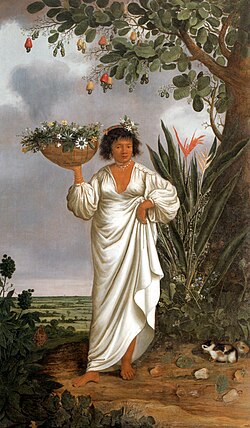
The Tupi played a foundational role in the genetic makeup of the Brazilian people. Due to a shortage of European women during early colonization, Portuguese settlers frequently formed unions with Indigenous women. This was facilitated by cunhadismo (from the Portuguese word for "brother-in-law"), a native tradition of incorporating strangers into the community by offering a woman as a wife.
Once a settler accepted a wife, he entered a kinship bond with the entire tribe. This often led to polygyny (having multiple wives), which was a common practice among South American Indigenous peoples and was adopted by many colonists.
Enduring Influence on Modern Brazil
Although the Tupi population declined, their cultural footprint remains immense. For centuries, the Língua Geral (or Nheengatu), a Tupi-derived language, served as the primary means of communication across Brazil. This was especially true among the Mamelucos (mixed-race individuals) and the Bandeirantes, who expanded Iberian culture into the interior of the country.
The Tupi legacy is most visible today in the Portuguese language and geography. Many Brazilian words for flora and fauna—such as jacaré (alligator), tucano (toucan), and abacaxi (pineapple)—are Tupi in origin. Numerous cities and places, including Ipanema and Caruaru, bear Tupi names.
| Category | Details |
|---|---|
| Historical Population (c. 1500) | ~1,000,000 |
| Contemporary Population | ~16,467 |
| Major Contemporary Groups | Potiguara, Tupinambá de Olivença, Tupiniquim |
| Original Homeland | Amazon Rainforest |
| Primary Language Family | Tupi-Guarani |
Frequently Asked Questions
Who were the Tupi people?
The Tupi were a large group of Indigenous peoples in Brazil, part of the Tupi-Guarani linguistic family, known for their agricultural skills and widespread presence along the Brazilian coast prior to colonization.
What is Nheengatu?
Nheengatu, also known as Língua Geral, is a Tupi-derived language that served as a lingua franca in Brazil until the 18th century and is still spoken in some regions of the Amazon today.
Did the Tupi actually practice cannibalism?
While some Western scholars dispute the accounts, most Brazilian anthropologists and historical evidence suggest that ritual anthropophagy was a significant social and cultural practice used to absorb the strength of brave enemies.
What was 'cunhadismo'?
Cunhadismo was a Tupi tradition of integrating outsiders into their community through marriage. Portuguese settlers used this system to form kinship bonds with tribes, leading to extensive race-mixing.
How did the Tupi influence the Portuguese language?
Brazilian Portuguese absorbed numerous Tupi words, particularly those describing local nature, such as mandioca (manioc) and arara (macaw), as well as various place names across the country.