Tudor Art and Iconography: Isolation and Influence
The Tudor period was a time of unique artistic isolation for England. Following the disruption of the Wars of the Roses, English artistic activity—outside of architecture—had reached a significant low by 1485. While the preceding Yorkist dynasty maintained close ties with Burgundian allies, resulting in portraits of diplomats like Edward Grimston and Sir John Donne by Early Netherlandish masters Petrus Christus and Hans Memling, these works were produced abroad rather than on English soil.
To revitalize the court's aesthetic, the Tudors recruited foreign artists, welcoming them with the same lavishness seen in other artistically marginal regions such as Naples and Spain. Netherlandish painters remained the dominant influence, though French styles also shaped the work of Lucas Horenbout and Nicholas Hilliard. Together, these men established and refined the portrait miniature—a distinctively English tradition of small-scale, intimate painting.
Key Facts
- Dominant Genre: Portraiture became the primary art form due to the decline of religious painting after the Reformation.
- Foreign Influence: Netherlandish and French artists were heavily recruited to fill the artistic void in England.
- Royal Preferences: Henry VIII prioritized music, palace construction, and tapestries over painting.
- Architectural Ambition: Nonsuch Palace featured over 2,000 square metres of sculpted stucco reliefs.
- Miniatures: These were often painted from life in a few days and intended for private use.
The Evolution of Tudor Portraiture
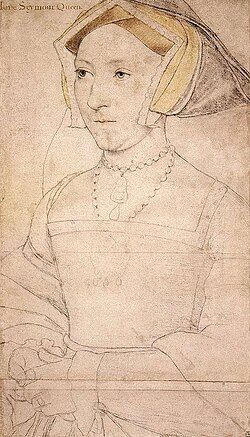
With the Reformation causing the virtual extinction of religious painting and a general lack of interest in classical mythology, the portrait became the most vital form of painting for court artists. However, much of this work has been lost to time. A book of preparatory drawings by Hans Holbein, now in the Royal Collection, reveals the scale of this loss: of eighty-five drawings, only a handful of corresponding paintings survive, though some copies remain.
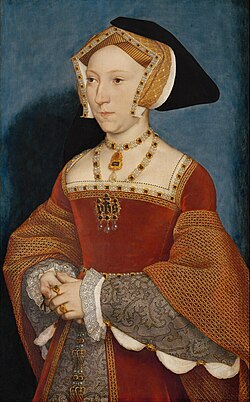
Tudor portraiture existed on a spectrum of scale and purpose. At one end were the informal miniatures, created quickly from life for private contemplation. At the other were the grand, large-scale portraits of Elizabeth I, such as the Rainbow Portrait. These later works were rich in iconography—the use of symbolic images and signs—utilizing specific dress, jewels, and inscriptions to convey power and status.
Court Artists and Decorative Arts
Beyond formal portraiture, significant energy was devoted to decorative painting for fixtures and fittings, much of which was temporary. This work was typically divided by rank: the Serjeant Painters (lower-ranking painters) executed the work, often based on designs provided by the more prestigious King's or Queen's Painters. Additionally, the Master of the Revels coordinated festivals and tournaments, frequently employing both the court artists and Serjeant Painters.
Jewellery and metalwork were held in higher esteem than painting, commanding far greater financial investment. Hans Holbein designed spectacular table ornaments in precious metals that have since vanished, and Nicholas Hilliard worked as a practicing goldsmith. Henry VIII's primary passions were music, architecture, and tapestries; he owned over 2,000 tapestry pieces, including the grand Flemish set of The Story of Abraham at Hampton Court Palace, which cost significantly more than his expenditures on painters.
Royal Collections and Architectural Grandeur
Queen Elizabeth I took a more personal, albeit private, interest in art. She maintained a collection of miniatures wrapped in paper and labeled by her own hand, kept securely locked away. She was also protective of her public image, reportedly ordering the destruction of paintings that did not align with the iconic image she wished to project.
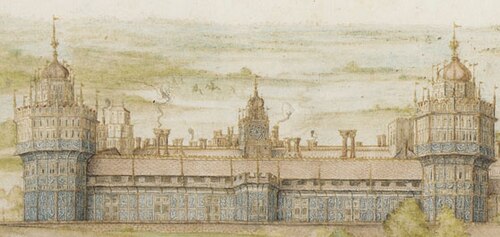
The pinnacle of Tudor architectural ambition was Nonsuch Palace, begun by Henry VIII in 1538. This palace was designed to compete with and outshine the Palace of Fontainebleau in France. It featured a staggering 2,000 square metres (21,000 sq ft) of figurative sculpted stucco reliefs. To achieve an authentic Mannerist style—a sophisticated, stylized form of late Renaissance art—Italians were brought in to execute the work, although the overall plan remained English.
| Category | Primary Focus / Characteristics | Key Examples/Figures |
|---|---|---|
| Painting | Portraiture and Miniatures | Holbein, Hilliard, Horenbout |
| Decorative Arts | Jewellery, Metalwork, Tapestries | The Story of Abraham (Tapestry) |
| Architecture | Stucco reliefs, Mannerist influence | Nonsuch Palace |
| Court Roles | Serjeant Painters, Master of the Revels | Royal festivals and fixtures |
Frequently Asked Questions
Why did portraiture become the dominant art form in the Tudor period?
Portraiture rose to prominence because the Reformation led to the virtual extinction of religious painting, and there was very little interest in classical mythology until the end of the era.
What is a portrait miniature?
A portrait miniature is a small-scale painting, typically created from life over a few days, intended for private contemplation rather than public display.
How did Henry VIII's spending on art reflect his priorities?
Henry VIII spent far more on tapestries, music, and building palaces than he did on painters, owning over 2,000 tapestry pieces alone.
What made Nonsuch Palace architecturally significant?
Nonsuch Palace was notable for its massive scale of figurative sculpted stucco reliefs, covering over 2,000 square metres, and its use of Italian artists to achieve a Mannerist style.
Who were the Serjeant Painters?
The Serjeant Painters were a lower rank of royal painters responsible for the decorative painting of fixtures and fittings, often working from the designs of the King's or Queen's Painters.