Tucumán: The Garden of the Republic
Nestled in the northwest of Argentina, Tucumán is a land of striking contrasts. Despite being the second-smallest province by land area, it holds the title of the most densely populated region in the country. Known affectionately as El Jardín de la República (The Garden of the Republic), Tucumán is celebrated for its lush landscapes and immense agricultural productivity.
From the high peaks of the Andes to the flatlands of the Gran Chaco, the province serves as a vital cultural and economic hub. Its capital, San Miguel de Tucumán, is not only a center of modern commerce but also the birthplace of Argentine sovereignty.
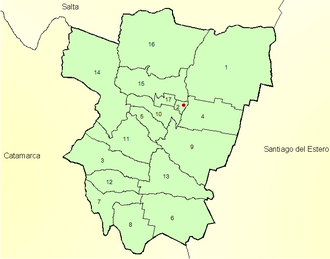
Key Facts
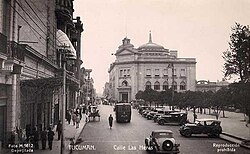
- Capital: San Miguel de Tucumán
- Nickname: The Garden of the Republic
- Population: 1,731,820 (2022 Census)
- Area: 22,524 km²
- HDI: 0.841 (Very High)
- Primary Industry: Sugarcane and Lemon production
Etymology and Early History
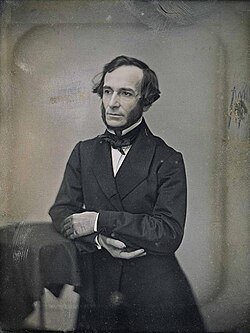
The name Tucumán likely stems from Quechua languages. Some theories suggest it is a variation of Yucumán, meaning "place of origin of several rivers," while others believe it comes from Tucma, meaning "the end of things." Before the arrival of the Spanish, the region was inhabited by the Diaguitas and Tonocotes and sat on the outer fringes of the Inca Empire.
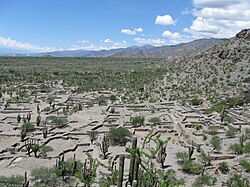
Spanish exploration began in 1535 with Diego de Almagro. By 1565, Diego de Villaroel founded San Miguel de Tucumán. The early colonial period was marked by fierce resistance from indigenous groups, known as Malones. This conflict led to the forced relocation of several tribes, most notably the Quilmes people, who were moved toward Buenos Aires.
The Cradle of Independence
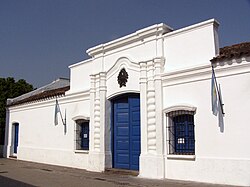
Due to its strategic location, Tucumán became a critical midpoint for gold and silver shipments traveling from the Viceroyalty of Peru to Buenos Aires. This geographical importance culminated in one of the most significant events in South American history.
On July 9, 1816, the Congress of Tucumán convened, and the United Provinces of the Río de la Plata officially declared their independence from Spain. This historic act cemented the province's role as a cornerstone of the Argentine nation.
Modern Political Evolution
The 20th century brought both prosperity and turmoil. The arrival of the railway fueled a boom in sugarcane production, leading to the construction of landmarks like the Ninth of July Park. However, the 1960s saw a severe economic crash due to a sugar price crisis and the closure of state-owned mills.
The province also endured a dark period between 1975 and 1983 during Operativo Independencia (Operation Independence), a brutal military campaign targeting the ERP and other perceived dissidents, resulting in widespread human rights abuses.
Geography and Climate
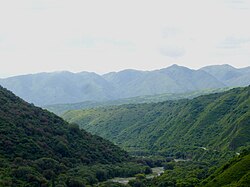
Tucumán's geography is divided into two primary systems: the flatlands of the Gran Chaco to the east and a rugged western landscape featuring the Sierras de las Pampas and Andean canyons. The highest point in the province is the Cerro del Bolsón, reaching 5,550 meters.
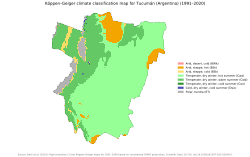
The climate is a convergence of temperate and tropical zones, heavily influenced by a monsoonal pattern (seasonal wind shifts that bring heavy rains). The eastern foothills are exceptionally humid, supporting dense jungles, while the western areas are drier due to the rain shadow effect of the mountains.
Water Resources
The Salí River is the province's primary waterway. To manage irrigation and hydroelectric power, Tucumán utilizes four major dams: El Cadillal, Embalse Río Hondo, La Angostura, and Escaba.
Economic Profile
Tucumán possesses the seventh-largest economy in Argentina. While historically dependent on sugar, the province has successfully diversified its agricultural output. It is now a world leader in lemon production and also cultivates strawberries, kiwifruit, soybeans, and maize.
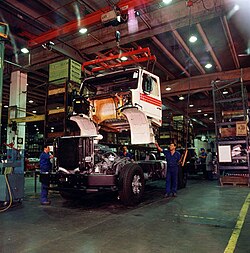
Manufacturing has expanded beyond sugar mills to include textiles, food processing, and the automotive sector. A notable industrial presence is the Scania AB factory, which specializes in freight-truck assembly.
Tourism and Education
The province is a major destination for cultural and sports tourism. Popular sites include the Valles Calchaquíes, Tafí del Valle, and the Ruins of Quilmes. Education is also a pillar of the region, with four major universities, including the Universidad Nacional de Tucumán, serving tens of thousands of students.
Provincial Overview
| Category | Detail |
|---|---|
| Total Area | 22,524 km² |
| Population Density | 76.888/km² |
| GDP (2019) | 523 billion pesos (US$11.2 billion) |
| Administrative Divisions | 17 Departments |
| Main Export | Lemons and Sugar |
Frequently Asked Questions
Why is Tucumán called the Garden of the Republic?
It earned this nickname due to its abundant precipitation and fertile soil, which support a wide variety of lush vegetation and highly productive agriculture.
What is the historical significance of the Casa de Tucumán?
The Tucumán House is the site where the Congress of Tucumán met in 1816 to sign the declaration of independence from Spain.
What are the main agricultural products of the region?
Tucumán is internationally famous for its sugarcane and is the world's leading producer of lemons. It also produces blueberries, strawberries, and soybeans.
What is the climate like in Tucumán?
The climate varies by altitude; the east is hot and humid with monsoonal rains, while the western highlands are cooler and drier, sometimes experiencing snow in winter.
How is the province governed?
Tucumán has a provincial government divided into executive, legislative, and judiciary branches, headed by a popularly elected governor.