Triticeae: The Botanical Tribe Behind Wheat, Barley, and Rye
The Triticeae tribe represents one of the most significant groups of plants in human history. Belonging to the subfamily Pooideae within the grass family (Poaceae), this botanical tribe includes some of the world's most essential cereal crops. From the bread we eat daily to the fodder used for livestock, the genera within Triticeae have shaped human civilization through their complex genetic histories and nutritional importance.
Beyond their role as food sources, members of this tribe exhibit fascinating biological traits, such as allopolyploidy—a process where organisms possess more than two sets of chromosomes resulting from the hybridization of different species. This genetic complexity has allowed these plants to adapt to diverse environments across the globe.
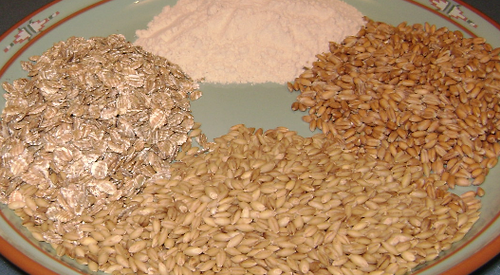
Key Facts
- Major Crops: Includes wheat (Triticum), barley (Hordeum), and rye (Secale).
- Genetic Complexity: Many species are allopolyploids, containing multiple sets of genomes from different ancestral species.
- Bread Wheat Evolution: Modern bread wheat is a hexaploid, containing genomes from three distinct ancestral species.
- Human History: Evidence of Triticeae use dates back as far as 23,000 years in the Levant.
- Health Implications: Seed storage proteins (glutens) in this tribe are linked to various food allergies and autoimmune disorders.
The Genera of Triticeae
The tribe Triticeae is composed of numerous genera, many of which have been recognized through extensive phylogenetic studies. While some genera are primarily known for large-scale agriculture, others serve vital roles in pastoralism or environmental protection.
Major Agricultural Genera
- Triticum (Wheat): The most prominent genus, ranging from ancient Einkorn (T. monococcum) to modern bread wheat (T. aestivum).
- Hordeum (Barley): Includes common barley (H. vulgare) and various edible or medicinal species.
- Secale (Rye): Essential for livestock feed and sourdough breads, including cultivated rye (S. cereale).
Other Notable Genera
Other genera play specialized roles. Elymus species are often used for pastoral purposes or to protect fallow land from invasive species. Aegilops, often referred to as goat grasses, are genetically critical as they provided the ancestral genomes for many modern wheat varieties. Leymus species, such as Lyme grass, are known for their ability to produce bread-flour capable grains or serve as food additives.
Evolutionary History and Genetics
The evolutionary journey of Triticeae is a masterclass in genetic recombination. One of the most striking examples is the development of bread wheat. Modern bread wheat (Triticum aestivum) is an allohexaploid, meaning it possesses three distinct sets of genomes (AABBDD). These genomes were contributed by different ancestors: the A genome from wheat species, the B genome from Aegilops speltoides, and the D genome from Aegilops tauschii.
This process of tetraploidization (doubling of chromosome sets) and subsequent hybridization allowed these plants to gain selective advantages, such as increased vigor and environmental resilience. For instance, the hybridization of tetraploid wheat with Ae. tauschii resulted in hulled wheats similar to spelt.
Summary of Key Triticeae Genera and Species
| Genus | Representative Species | Primary Uses |
|---|---|---|
| Triticum | T. aestivum, T. durum | Bread, pasta, and human consumption |
| Hordeum | H. vulgare | Cereal, animal feed, and brewing |
| Secale | S. cereale | Livestock feed and sourdough bread |
| Elymus | E. canadensis | Pastoral use and land protection |
| Leymus | L. racemosus | Drought-tolerant cereal |
Triticeae and Human Health
While Triticeae crops are nutritional staples, their seed storage proteins—commonly known as glutens—are a significant focus of medical research. These proteins are implicated in various gastrointestinal, allergic, and autoimmune diseases, most notably celiac disease.
Scientific studies suggest these proteins may have evolved as a defense mechanism against continuous consumption by mammalian seed-eaters. While research continues into the biochemical properties of these proteins, current understanding suggests that individual tolerance levels are influenced by a combination of genetic predisposition and early childhood environmental factors.
Frequently Asked Questions
What is the difference between bread wheat and emmer wheat?
Bread wheat (Triticum aestivum) is an allohexaploid with an AABBDD genome, making it highly versatile for baking. Emmer wheat (Triticum dicoccum) is an ancient cultivated form that is genetically distinct from modern bread wheat.
How did wheat become so genetically complex?
Wheat evolved through natural hybridization events where different species crossed, leading to polyploidy. This allowed different genomes (like the A, B, and D genomes) to combine, creating more robust and productive crops.
Are all grasses in the Triticeae tribe edible?
No. While many genera like Triticum and Hordeum are major food sources, others are used primarily for animal grazing, land protection, or as medicinal plants.
What is the role of Aegilops in wheat evolution?
Aegilops species, or goat grasses, are ancestral to many wheat varieties. They provided the essential genetic material (such as the B and D genomes) that combined with early wheat to create modern hexaploid bread wheat.
Why are Triticeae proteins linked to allergies?
The seed storage proteins, or glutens, found in these grains have specific biochemical properties that can trigger immune responses in sensitive individuals, leading to gluten-sensitive digestive and autoimmune disorders.