Transport Heritage Preservation in Britain: Challenges and Needs
Britain possesses a remarkably rich transport history that has fostered a massive grassroots movement dedicated to preservation. With over 15 million people participating in or visiting heritage transport activities annually, it stands as one of the nation's most significant leisure pursuits. To better understand the state of these assets, the Heritage Lottery Fund commissioned the Transport Trust to produce a comprehensive 145-page report titled "Transport Heritage: An Assessment of Needs & Potential."
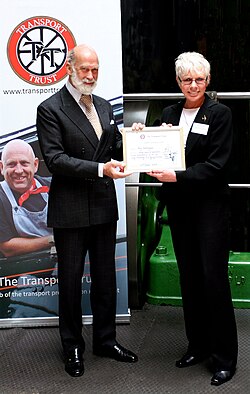
A striking finding of the report is the pivotal role of the private sector. While public museums hold quality collections, private preservationists have contributed most significantly to the conservation and active public enjoyment of transport history. A prime example is the restoration of the Avro Vulcan XH558 to flight status—one of the world's most complex restoration projects—funded entirely by public donations. This achievement earned Dr. Robert Pleming, Chief Executive of the Vulcan to the Sky Trust, the Transport Trust Preservationist of the Year award from Prince Michael of Kent.
Key Facts
- Public Engagement: Over 15 million people engage with transport heritage annually.
- Railway Impact: Heritage railways generate over £30 million in annual turnover and attract 9 million passengers.
- Aviation Scale: More than 2,500 aircraft survive in the UK, though many lack a clear preservation strategy.
- Bus Preservation: Approximately 4,000 buses and coaches are preserved, with over 80% owned by private individuals.
- Maritime Diversity: The National Small Boat Register tracks over 1,200 craft under 12 meters in length.
Aviation Preservation
The UK's aircraft preservation movement gained momentum in the 1960s as obsolete military planes became available. This led to the 1967 formation of the British Aviation Preservation Council (BAPC), though private collections remain underrepresented in this body. While 2,500 aircraft are available for preservation, strategic gaps persist; only 4% are in the highest grade of preservation, and 26% of second-grade aircraft are stored outdoors.
Beyond the aircraft themselves, airfield architecture is a critical component of history. In 2007, Duxford Aerodrome was designated a Conservation Area. Established as a Royal Flying Corps base in 1916 and operating as an RAF base until 1961, Duxford was the site of Douglas Bader's Big Wing experiments and the first RAF base to receive the Supermarine Spitfire. Today, it houses the Imperial War Museum Duxford and the largest collection of American aircraft outside the United States.
Critical Aviation Needs
- Prioritizing specific aircraft for long-term preservation.
- Moving middle-grade airframes into hangars to prevent deterioration.
- Increasing focus on the preservation of civil aircraft.
- Addressing the shortage of specialized conservation skills.
Buses and Coaches
There are roughly 4,000 preserved buses and coaches in the UK. While 45% reside in recognized museums or collections, less than 30% of all preserved vehicles are fully restored. The majority of museum pieces date from the 1950s and 1960s, with only 10% predating 1940. Because over 80% of these vehicles are privately owned, the burden of conservation falls largely on individuals with limited support.
Critical Bus and Coach Needs
- Creation of a category register to implement a grading system.
- Improved undercover storage, as 50% of preserved buses are currently kept in the open.
- Enhanced public access and educational facilities.
- The creation of an archive for ephemera, papers, and small artefacts.
Heritage Railways
Heritage railways represent a massive industrial investment, encompassing over 400 miles of track and nearly 600 stations across 150 locations. This sector is a powerhouse of the leisure industry, with an annual turnover exceeding £30 million. While over 1,000 steam engines survive, the high cost of overhauls means fewer than 20% are operable at any given time. Other preserved assets include 700 diesel locomotives, 150 passenger units, 3,000 carriages, and 2,500 freight vehicles.
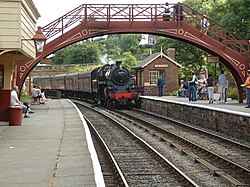
The Heritage Railway Association provides essential guidance to these lines. The North Yorkshire Moors Railway remains the busiest in Britain, operating over 100 days a year on a 24-mile trackbed originally constructed by George Stephenson in 1836.
Critical Railway Needs
- A grading system for lines and vehicles to optimize funding.
- Safe public access to sheds and workshops to enhance visitor experience.
- Covered accommodation for storage and restoration.
- Dedicated efforts to conserve electric trains and protect priceless archives.
Maritime Heritage
Maritime preservation is highly fragmented and relies heavily on private owners. While canal and inland waterway craft are relatively structured, other vessels—such as lifeboats and fishing boats—are scattered across the UK. Most are privately owned and remain sailable. In museums, larger vessels often overshadow smaller, historically significant craft.
Coordination is being led by the National Maritime Museum. The National Small Boat Register (managed by the National Maritime Museum Cornwall) lists over 1,200 craft under 12m (40 ft.), while the Advisory Committee for National Historic Ships registers larger vessels over 10.1m (33 ft.) with strong UK associations.
Critical Maritime Needs
- A unified grading system to prioritize conservation.
- Targeted funding for the 500 small craft of major historical importance.
- Increased training in traditional maritime skills.
- Safe storage for at-risk boats awaiting restoration.
Summary of Transport Heritage Status
| Sector | Key Asset Volume | Primary Challenge | Priority Need |
|---|---|---|---|
| Aviation | 2,500+ Aircraft | Outdoor storage of mid-grade craft | Hangarage & Skill gaps |
| Buses | ~4,000 Vehicles | Low restoration rate (<30%) | Category register & Cover |
| Railways | 1,000+ Steam Engines | High overhaul costs | Grading system & Storage |
| Maritime | 1,200+ Small Craft | Fragmentation/Private ownership | Traditional skills training |
General Conclusions
Across all sectors, several common themes emerge. There is a critical need for strategic leadership and the support of umbrella organizations to provide vision. Undercover storage is essential, as many artefacts have far outlived their intended operational lifespans. Finally, because transport heritage is most valued when it is functional, the report suggests that some irreplaceable relics should be retired and replaced by working replicas to prevent further wear on original historical materials.
Frequently Asked Questions
Who has contributed most to transport conservation in the UK?
While public museums hold significant collections, private sector preservationists have made the most substantial contributions to both the conservation of artefacts and the provision of active transport experiences for the public.
Why are so few steam engines operable at one time?
Despite over 1,000 steam engines surviving, less than 20% are operable at any given time due to the extremely high cost associated with their overhaul.
What is the significance of Duxford Aerodrome?
Duxford is a Conservation Area and the largest center of European aviation history. It served as a Royal Flying Corps base from 1916, was an RAF base until 1961, and is the first RAF base to have received the Supermarine Spitfire.
How are historic ships and boats registered in the UK?
Small craft under 12m (40 ft.) are listed in the National Small Boat Register managed by the National Maritime Museum Cornwall, while larger vessels over 10.1m (33 ft.) are tracked by the Advisory Committee for National Historic Ships.
What is the recommended solution for irreplaceable relics that are wearing out?
Since transport is best appreciated when in use, the report suggests that irreplaceable historical relics should be replaced by working replicas to preserve the originals from further deterioration.