Traditional Pop: The Golden Era of the Great American Songbook
Before the electric roar of rock and roll redefined the musical landscape in the mid-1950s, the airwaves were dominated by traditional pop. Also known as pre-rock and roll pop, this genre represents a sophisticated era of Western popular music characterized by melodic elegance and polished vocal performances. At its heart lies the "Great American Songbook," a canon of enduring pop standards—songs so widely recognized and recorded by diverse artists that they became permanent fixtures of mainstream culture.
Key Facts
- Timeframe: Primarily flourished from the 1920s through the mid-1950s.
- Core Canon: Centered around the Great American Songbook and pop standards.
- Primary Influences: Broadway theatre, Tin Pan Alley, swing, and folk music.
- Defining Sound: Heavy use of strings, piano, guitar, and a strong emphasis on the lead vocalist.
- Legacy: Evolved into "middle of the road" (MOR) and adult standards radio formats.
The Foundations of Traditional Pop
Traditional pop emerged from a blend of cultural and stylistic origins in the United States during the 1920s and 1930s. It drew heavily from the songwriting hubs of Tin Pan Alley (the collection of music publishers in New York City) and the theatrical brilliance of Broadway and Hollywood show tunes.
The genre was shaped by legendary composers and lyricists such as Irving Berlin, George and Ira Gershwin, Cole Porter, Jerome Kern, and Richard Rodgers. These writers crafted the sophisticated melodies and lyrics that would define the era's output, blending elements of folk music and swing into a cohesive popular style.
The Golden Age: 1940s to Mid-1950s
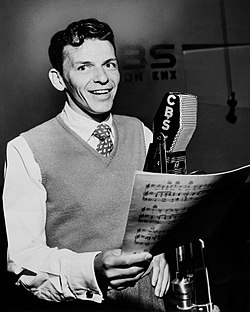
The height of traditional pop's popularity coincided with the swing era, which catapulted a new generation of vocalists to stardom. Artists like Bing Crosby, Perry Como, and a young Frank Sinatra became household names. During this period, the music evolved through two significant innovations: the integration of lush orchestral arrangements—specifically string sections—and a shift in focus toward the emotional delivery of the vocalist.
Defining Artists of the Era
Beyond the biggest stars, the era was defined by a diverse array of talent including Dinah Shore, Jo Stafford, Peggy Lee, Patti Page, and David Whitfield. These performers bridged the gap between the big band sound and the intimate, vocal-centric pop that would dominate the charts until the mid-50s.
The Shift: Rock and Roll and the Decline
By the late 1950s, the rise of rock and roll created a significant cultural divide. For the "baby boomer" generation, traditional pop became associated with their parents' tastes. This led to a schism in radio broadcasting: while contemporary hit radio (Top 40) embraced rock, traditional pop became the foundation for middle of the road (MOR) programming.
While many artists faded, icons like Frank Sinatra, Doris Day, Dean Martin, and Ella Fitzgerald remained superstars. Some transitioned into 1960s vocal jazz or a revived version of "sweet" swing music, often referred to as easy listening. This revival, championed by arrangers like Nelson Riddle and singers such as Rosemary Clooney, continued to draw from the Great American Songbook.
Adaptation and Survival
As the 1960s and 70s progressed, traditional pop was largely relegated to Las Vegas showrooms, television appearances, and "elevator music." Interestingly, Nashville country music adopted traditional pop sounds in the late 1950s to counter the influence of rock and roll, though this trend waned after 1964 due to the British Invasion and the loss of stars like Patsy Cline and Jim Reeves.
The Modern Revival
Traditional pop saw a surprising resurgence in the 1980s. In 1983, rock vocalist Linda Ronstadt collaborated with Nelson Riddle for the album What's New. The project was a massive success, reaching No. 3 on the Billboard pop chart and winning a Grammy, effectively introducing the pre-swing and swing eras to a new generation.
This success paved the way for other contemporary stars to record standards, including Willie Nelson (Stardust), Rod Stewart (It Had to Be You), Chaka Khan, and Carly Simon.
| Feature | Details |
|---|---|
| Typical Instruments | Strings, Piano, Guitar, Vocals |
| Key Songwriting Hubs | Tin Pan Alley, Broadway, Hollywood |
| Regional Influence | United States (Origin), Japan, Indonesia, Malaysia |
| Modern Radio Format | Adult Standards / Classic Hits |
Frequently Asked Questions
What is the difference between traditional pop and modern pop?
Traditional pop refers to the Western popular music that existed before the mid-1950s, characterized by orchestral arrangements and the Great American Songbook. Modern pop emerged after the advent of rock and roll, utilizing different instrumentation and production techniques.
What is the "Great American Songbook"?
It is the canon of most popular and enduring songs from the traditional pop era, written by composers and lyricists like George Gershwin, Cole Porter, and Irving Berlin.
Who are some of the most influential traditional pop singers?
Key figures include Frank Sinatra, Bing Crosby, Ella Fitzgerald, Nat King Cole, Doris Day, and Dean Martin.
How did traditional pop influence country music?
In the late 1950s, Nashville's Music Row borrowed traditional pop sounds to limit the growing influence of rock and roll on the country genre.
What is "Middle of the Road" (MOR) radio?
MOR was a radio format that emerged in the 1960s to cater to listeners who preferred traditional pop and adult standards over the rock and roll dominating Top 40 stations.