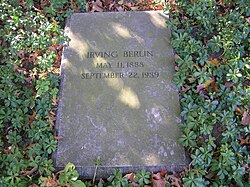
Irving Berlin: The Architect of the Great American Songbook
Irving Berlin was more than just a songwriter; he was a musical chronicler of the American experience. Born in Russia and arriving in the United States as a young child, Berlin rose from the poverty of New York City's tenements to become one of the most influential composers of the 20th century. His work, characterized by its simplicity and directness, helped define the Great American Songbook—a collection of the most enduring and influential popular songs from the early 20th century.
Throughout a career spanning over six decades, Berlin composed an estimated 1,500 songs, including timeless classics that captured the dreams, heartbreaks, and patriotism of a nation. His ability to write in the American vernacular allowed his music to resonate with the "real soul of the country," making him a household name from Broadway to Hollywood.
Key Facts
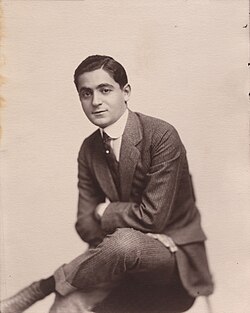
- Born: May 11, 1888, as Israel Isidore Beilin in the Russian Empire.
- Died: September 22, 1989, at the age of 101.
- Major Works: "White Christmas," "God Bless America," and "Alexander's Ragtime Band."
- Accolades: Recipient of an Academy Award, a Grammy Award, a Tony Award, and the Presidential Medal of Freedom.
- Unique Skill: Composed most of his music without the ability to read sheet music, playing primarily in the key of F-sharp.
- Career Scope: Wrote scores for 20 Broadway shows and 15 Hollywood films.
Early Life and the New York Struggle
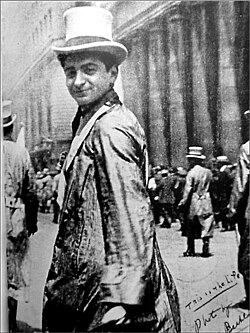
Born into a Jewish family, Berlin's early years were marked by instability. While his family originated from the village of Tolochin, he was likely born in Tyumen, Siberia. To escape pogroms—violent riots directed at Jewish communities—his family emigrated to the United States when he was five years old.
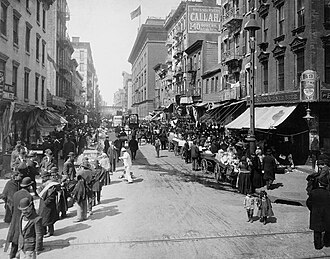
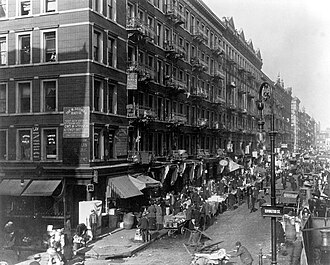
Settling in New York City, Berlin experienced a childhood of extreme hardship. He recalled sleeping under tenement steps, wearing secondhand clothes, and selling newspapers to survive. Despite these struggles, Berlin viewed these formative years as essential, famously stating, "Every man should have a Lower East Side in his life."
The Path to Professional Songwriting
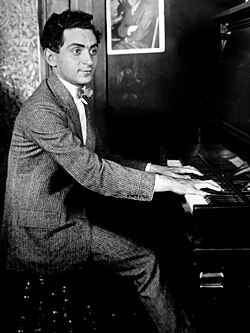
Berlin's professional journey began in 1907 when he published his first song, "Marie from Sunny Italy," for which he received 33 cents. By 1911, he achieved international stardom with "Alexander's Ragtime Band," a track that helped spark a global dance craze and established him as a master of ragtime—a musical style characterized by its syncopated or "ragged" rhythm.
A Career of Versatility: From Broadway to Hollywood
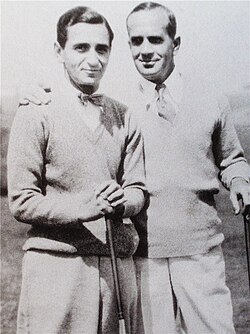
Berlin's influence extended across multiple mediums. He was not only a songwriter but also a theater owner, founding the Music Box Theatre on Broadway to accommodate his specific creative visions. His work spanned various genres, from romantic ballads like "Always" and "What'll I Do" to high-energy show tunes.
In the realm of cinema, Berlin's music became synonymous with the Golden Age of Hollywood. His songs were featured in the first feature-length "talkie," The Jazz Singer (1927), and he later wrote original scores for films starring legends such as Fred Astaire, Ginger Rogers, and Judy Garland. His filmography includes hits like Top Hat, Holiday Inn, and Easter Parade.
Patriotism and Cultural Impact
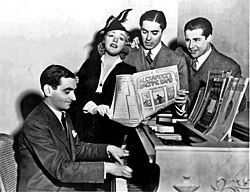
Berlin's music often mirrored the national mood. During World War I, he served as a Sergeant in the U.S. Army, and during World War II, he contributed to the war effort with the production This Is the Army. Two of his most enduring contributions to American culture are "God Bless America" (1938) and "White Christmas" (1942), the latter becoming one of the best-selling singles of all time.
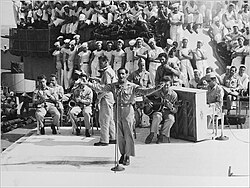
The Man Behind the Music
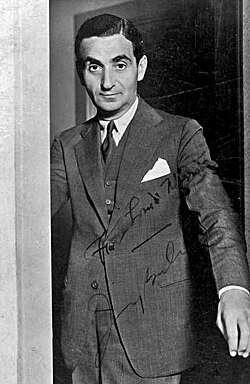
Despite his immense success, Berlin possessed a technical limitation that would seem impossible for a composer of his stature: he could not read or write sheet music. He was also a limited pianist, capable of playing only in the key of F-sharp. To overcome this, he used a custom-built piano equipped with a transposing lever to play in other keys.
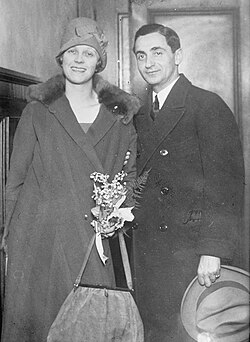
His personal life was anchored by his marriage to Ellin Mackay in 1926. The couple remained inseparable for 62 years and had four children. Berlin remained humble about his origins, often returning on foot to the neighborhoods of his youth in Chinatown and the Bowery.
| Category | Details |
|---|---|
| Total Songs | Estimated 1,500 |
| Broadway Shows | 20 original scores |
| Hollywood Films | 15 original scores |
| Key Genres | Ragtime, Popular Songs, Broadway Musicals |
| Major Honors | Academy Award, Grammy, Tony, Presidential Medal of Freedom |
Frequently Asked Questions

How did Irving Berlin compose music if he couldn't read sheet music?
Berlin composed by ear and relied on his innate sense of melody and rhythm. Because he could only play the piano in the key of F-sharp, he used a specially designed piano with a transposing lever to perform in other keys.
What was Irving Berlin's most famous song?
While he wrote many hits, "White Christmas" is widely considered his most famous work, becoming a global holiday standard and one of the best-selling singles in history.
Where was Irving Berlin born?
Although his family was from the village of Tolochin in the Russian Empire (present-day Belarus), it is believed he was born in Tyumen, Siberia.
What is the "Great American Songbook"?
The Great American Songbook refers to the body of popular songs, mostly written during the early 20th century, that became standards of American music. Irving Berlin's work forms a significant portion of this collection.
What was Berlin's connection to the Lower East Side?
Berlin grew up in the poverty-stricken tenements of the Lower East Side in New York City. He credited these difficult early experiences with shaping his character and his desire to write music that appealed to the average American.