The Evolution and Impact of Traditional Medicine: From Ancient Roots to Modern Integration
Traditional medicine, often referred to as indigenous medicine or folk medicine, encompasses the diverse knowledge, skills, and practices developed by various societies to maintain health and treat illness. These practices are deeply rooted in the cultural beliefs of specific communities, particularly Indigenous groups, and have shaped human health for millennia.
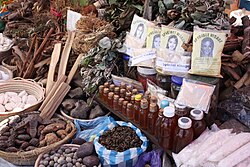
While historical reports suggested that 80% of people in African and Asian countries rely on traditional medicine for primary healthcare, recent data provides a more nuanced view. According to a 2024 World Health Organization (WHO) global survey, two-thirds of countries report that at least 40% of their population utilizes traditional, complementary, or integrative medicine. Usage remains notably high across Southeast Asian and African nations.
Understanding Traditional and Folk Medicine
Though the terms are often used interchangeably, a distinction can be made between the two. Folk medicine typically refers to longstanding remedies and practices used by laypeople. It consists of healing modalities and ideas about body physiology that are transmitted informally as general knowledge within a culture. In contrast, traditional medicine may include more formalized aspects of these folk practices.
Knowledge in indigenous medicine is traditionally passed down through oral traditions within communities. This information is often managed by designated healers, such as shamans (spiritual leaders) or midwives. The legitimacy of a healer is generally established through three factors: their personal beliefs, the perceived success of their treatments, and the trust of the community.

Regional Traditions and Practices
Traditional healing takes many forms depending on the geography and culture:
- Australian Bush Medicine: Used by Aboriginal and Torres Strait Islander people, this primarily involves herbal medicine—the use of natural plant substances—utilizing bark, leaves, and seeds.
- Native American Medicine: These ancient healing traditions are inseparable from religion and spirituality. Healers often use ethnobotany (the study of how people of a particular culture use indigenous plants) to determine a plant's efficacy based on its shape, smell, color, and taste.
- Nattuvaidyam: An indigenous set of medical practices from India that existed before Western medicine. This includes Ayurveda, as well as specialized practices like kalarichikitsa (related to bone setting) and marmachikitsa (vital spot massaging).
- Home Remedies: Often called "granny cures," these are treatments using common items like spices, herbs, or vegetables. Examples include using chicken soup for respiratory infections or aloe vera for skin disorders.
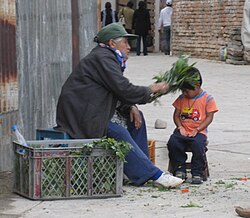
A Global History of Healing
The written record of medicinal herb use spans over 5,000 years, beginning with ancient civilizations such as the Sumerians, Egyptians, Indians, and Chinese. These traditions have evolved through Greek, Roman, Islamic, and medieval European eras, eventually influencing colonial America.
Classical Antiquity
Ancient Sumerians were among the first to describe the medicinal uses of plants. In Egypt, the Ebers papyrus (c. 1552 BC) documented various folk remedies and magical medical practices. In India, herbalists like Charaka and Sushruta described many herbs and minerals used in Ayurveda during the 1st millennium BC. Similarly, China’s Shennong Bencaojing served as an early foundational herbal text.
The Greek and Roman traditions provided a backbone for much of European medical theory. Figures such as Hippocrates, Aristotle, and Galen contributed to this body of knowledge. The Roman physician Pedanius Dioscorides authored De Materia Medica, a work so influential that it was translated into multiple languages and incorporated various Turkish, Arabic, and Hebrew names over the centuries.
The Islamic Golden Age and European Expansion
During the medieval period, Arabic indigenous medicine flourished by blending Bedouin magic-based medicine with translations of Hellenic and Ayurvedic traditions. The Persian physician Avicenna (Ibn Sīnā) authored The Canon of Medicine, an early pharmacopoeia (an official publication containing directions for the identification of drugs) that introduced the concept of clinical trials. This text remained a primary medical authority in Europe until the 17th century.
| System | Primary Origins | Key Characteristics |
|---|---|---|
| Ayurveda | Ancient India | Includes specialized practices like bone setting and vital spot massaging. |
| Traditional Chinese Medicine | Ancient China | Rooted in texts like the Shennong Bencaojing. |
| Unani | Greek/Arabic traditions | Based heavily on Avicenna's The Canon of Medicine. |
| Bush Medicine | Australia | Primarily uses plant materials like bark, leaves, and seeds. |
Modern Perspectives and Challenges
In the modern era, many plant-based phytochemicals (chemical compounds produced by plants) used in folk medicine have become the basis for modern pharmacology. For example, the foxglove herb used by Native Americans to treat edema (fluid buildup) is the source of digitalis, a modern medication used to moderate heart rates.
However, the field faces significant criticism. Some researchers note that many alternative treatments are statistically indistinguishable from placebos. There are also serious safety concerns regarding unregulated natural remedies and the risk of zoonosis (diseases that can be transmitted from animals to humans).
Environmental and Ethical Concerns
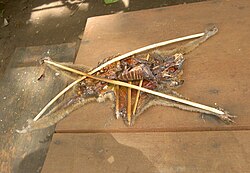
The demand for certain traditional medicines has contributed to the illegal wildlife trade and biodiversity loss. The use of parts from endangered species—such as slow lorises, sharks, elephants, and pangolins—poses a severe threat to ecosystems. For instance, the illegal ivory trade is partially driven by demand within traditional Chinese medicine.
Looking forward, the WHO launched a strategic technical advisory group in December 2025 to use modern technology and the scientific method to reevaluate how traditional medicine might be safely integrated into modern healthcare practices.
Key Facts
- Global Reach: Two-thirds of countries report that at least 40% of their population uses traditional or integrative medicine.
- Ancient Roots: The documented study of medicinal herbs dates back more than 5,000 years.
- Knowledge Transfer: Indigenous medical knowledge is primarily maintained through oral traditions and community healers.
- Scientific Link: Many modern pharmacological drugs are derived from plant substances used in traditional medicine.
- Environmental Risk: The trade in certain traditional medicines contributes to the poaching of endangered species like pangolins and elephants.
Frequently Asked Questions
What is the difference between traditional medicine and folk medicine?
Folk medicine generally refers to informal remedies and health practices passed down among laypeople within a culture. Traditional medicine can be a more formalized system of knowledge and practice.
How is traditional medical knowledge preserved?
It is most commonly transmitted orally through families and communities. In many cultures, specific roles like shamans or midwives are responsible for gathering and applying this knowledge.
Is traditional medicine safe?
Not necessarily. While many remedies are natural, there are risks associated with unregulated substances, potential zoonotic diseases, and the use of endangered animal parts.
How does traditional medicine relate to modern science?
Many modern medicines are based on phytochemicals originally identified in folk traditions. Organizations like the WHO are currently working to use scientific methods to evaluate how these practices can be safely integrated into modern healthcare.
What are home remedies?
Home remedies, or "granny cures," are treatments using common household items like spices, vegetables, or herbs. They are typically passed down by laypeople and may work through traditional habit or the placebo effect.