Torpor: The Biological Strategy for Energy Conservation
In the natural world, survival often depends on an organism's ability to manage its energy budget. For many animals, the most effective way to survive periods of extreme cold or food scarcity is through torpor—a state of decreased physiological activity characterized by a significant drop in body temperature and metabolic rate. Derived from the 13th-century Latin word for "numb" or "sluggish," torpor is not a failure of the body's systems, but a highly controlled thermoregulatory process.
Key Facts
- Definition: A state of reduced metabolism and body temperature used to conserve energy.
- Types: Includes daily torpor (less than 24 hours), hibernation (winter), and aestivation (summer).
- Distribution: Found across birds and mammals, including placentals, marsupials, and monotremes.
- Evolution: Likely evolved independently multiple times through convergent evolution.
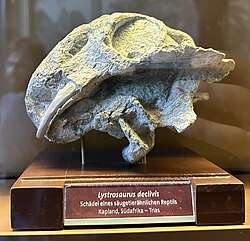
- Ancient Evidence: Fossil records suggest torpor-like states existed as far back as 250 million years ago in Lystrosaurus.
The Mechanics of Torpor
Torpor allows endotherms (animals that generate internal heat) to survive when resources are low. While maintaining a constant internal temperature (homeothermy) provides advantages like increased foraging time, it is energetically expensive. Small mammals and birds can spend up to 100 times more energy in cold environments than ectotherms. By entering torpor, these animals lower their body temperature to just above the ambient level, drastically reducing their caloric needs.
Physiologically, this state involves a coordinated reduction in heart rate, breathing rate, and oxygen consumption. These changes are managed by the autonomic nervous system and influenced by hormones such as melatonin. Unlike cold-induced hypothermia, torpor is a precise biological state that prevents tissue damage by maintaining a minimum temperature threshold.
Daily Torpor vs. Hibernation
While the terms are often used interchangeably, scientists distinguish between short-term and long-term metabolic depressions based on duration and depth.
Daily Torpor
Daily torpor consists of short hypometabolic episodes lasting less than 24 hours. It is not necessarily seasonal and can occur any time of year to save energy during the night or during sudden food shortages.
Hibernation and Aestivation
When torpor lasts for days or weeks, it is classified as hibernation (if occurring in winter) or aestivation (if occurring in summer). During hibernation, metabolic rates can drop to below 5% of basal levels, with body temperatures sometimes approaching 0°C. Generally, larger animals are more likely to hibernate because their greater body mass allows them to accumulate the fat reserves necessary for prolonged inactivity.
| Feature | Daily Torpor | Hibernation | Aestivation |
|---|---|---|---|
| Duration | < 24 Hours | Days to Weeks | Days to Weeks |
| Primary Trigger | Daily energy deficit | Winter cold/food scarcity | Summer heat/drought |
| Metabolic Drop | Moderate | Severe (< 5% of basal) | Severe |
| Typical Body Size | Smaller animals | Larger animals | Variable |
Evolutionary History and Distribution
Torpor is widespread among endotherms, appearing in various bird orders and all three mammalian subclasses. While it was once thought to be an ancestral trait, recent phylogenetic studies of over 700 species suggest convergent evolution. This means torpor evolved independently multiple times as different species faced similar energetic demands.
The oldest evidence of this state dates back approximately 250 million years to the Lystrosaurus, a vertebrate that lived in Antarctica. By analyzing growth rings in fossilized tusks—similar to tree rings—scientists found evidence of repeated metabolic stress in Antarctic specimens that was absent in those from lower latitudes, suggesting a reaction to polar winter darkness.
Adaptive Advantages in Nature
Torpor serves several critical functions beyond simple survival during famine:
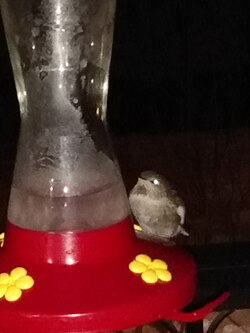
- Energy Preservation in Birds: Small migrant birds, such as hummingbirds, use torpor during cold nights or at high altitudes to preserve fat stores. Black-capped chickadees can lower their body temperature by 12°C to conserve 30% of their daily fat stores.
- Extinction Survival: Evidence suggests that the ability to enter torpor may help species survive mass extinction events. Only four out of 61 confirmed extinct mammals from the last 500 years were heterotherms.
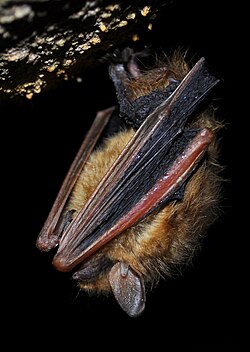
- Parasite Control: In bats, the drop in body temperature during torpor reduces the reproductive rate of ectoparasites.
The Case of Bats
Bats exhibit complex torpor patterns. To save energy, they restrict blood flow primarily to the heart and brain, leaving the limbs underserved. Arousal from this state takes 10 to 30 minutes and is achieved through increased heart and breathing rates, often accelerated by shivering.
Future Applications: Space Travel
The biological efficiency of torpor has caught the attention of aerospace engineers. In 2013, SpaceWorks Engineering began researching the possibility of putting human crews into extended torpor for 90 to 180 days. Such a state could dramatically reduce the cost of missions to Mars by minimizing the requirements for life support and food during multi-year journeys.
Frequently Asked Questions
Is torpor the same as sleep?
No. While both involve reduced activity, torpor is a profound physiological shift in metabolic rate and body temperature controlled by the autonomic nervous system, whereas sleep is a behavioral state of altered consciousness.
How do animals wake up from torpor?
Animals arouse by increasing their heart and breathing rates to generate heat. In many species, this warming process is accelerated by shivering and the circulation of warm blood from the core to the extremities.
Can any animal enter torpor?
Torpor is primarily found in endotherms, such as various species of birds (notably hummingbirds) and mammals (including bats, rodents, and marsupials), though it is not universal to all species within these groups.
What is the difference between hibernation and aestivation?
Both are forms of long-term torpor; however, hibernation occurs in response to winter cold and food scarcity, while aestivation is a response to high temperatures and arid conditions during the summer.