Hibernation: The Science of Metabolic Suppression and Winter Survival
In the natural world, survival often depends on the ability to adapt to extreme environmental shifts. One of the most fascinating adaptations is hibernation, a state of minimal physical activity and significant metabolic reduction. While often simplified as a "long winter sleep," hibernation is actually a complex biological process known as seasonal heterothermy. This state is characterized by a drop in body temperature, slowed breathing, a reduced heart rate, and a lowered metabolic rate, allowing animals to survive months of food scarcity—a process known as overwintering.
Historically, scientists reserved the term hibernation for "deep" hibernators, such as certain rodents, whose body temperatures plummet. However, modern definitions have expanded. Hibernation is now defined by active metabolic suppression rather than a specific temperature threshold. This shift in understanding recognizes that processes like daily torpor (short-term reductions in activity) and hibernation exist on a continuum. Interestingly, some animals undergo a similar process during the summer months to survive heat or drought, which is called aestivation.
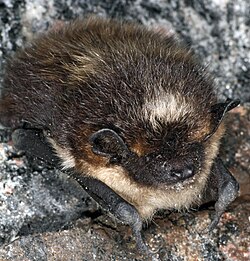
Key Facts
- Metabolic Suppression: The defining characteristic of hibernation is the active reduction of metabolic rate, not just a drop in temperature.
- Temperature Variance: Deep hibernators can see temperature drops of 32°C (60°F) or more, while bears experience a modest decline of 3 to 5°C (5 to 9°F).
- Broad Application: While common in mammals, similar dormancy states occur in birds, reptiles (brumation), arthropods (diapause), and fish.
- Biotechnology: Scientists can now manufacture Hibernation Induction Trigger (HIT) proteins in labs using recombinant protein technology.
Hibernation in Mammals
The Case of the Bears
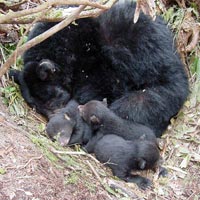
For years, a scientific debate raged over whether bears truly hibernate. Because their body temperature only drops by 3 to 5°C (5 to 9°F), some researchers argued their state was merely a deep sleep. However, research conducted in 2011 on captive black bears and in 2016 on brown bears refuted this, proving that bears do indeed undergo true metabolic suppression.
Other Mammalian Hibernators
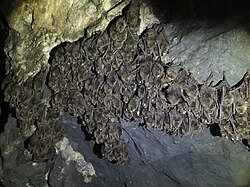
Beyond bears, hibernation varies across species. Some mammals are obligate hibernators, meaning the state is a programmed necessity, while others are facultative, entering hibernation only when environmental conditions demand it. Even some primates have been observed utilizing underground hibernation to survive tropical fluctuations.
Dormancy Across the Animal Kingdom
Hibernation is not limited to mammals. Various forms of dormancy allow different species to survive harsh conditions:
- Birds: Some bird species exhibit profound torpidity to conserve energy.
- Reptiles: They undergo brumation, a similar state of dormancy tailored to ectotherms (animals whose internal temperature varies with the environment).
- Arthropods: These creatures enter diapause, a period of suspended development.
- Fish: Winter dormancy in fish often results from inactivity and cold temperatures rather than a programmed metabolic depression.
The Future of Hibernation Research
Recent breakthroughs in recombinant protein technology allow scientists to produce Hibernation Induction Trigger (HIT) proteins in laboratories. By sequencing proteins such as the α 1-glycoprotein-like 88 kDa hibernation-related protein (HRP), researchers can study the mechanisms of metabolic suppression without needing to euthanize animals. In 2014, studies successfully isolated specific proteins (HP-20, HP-25, and HP-27) to better understand how these biological triggers function.
| Term | Primary Characteristic | Commonly Seen In |
|---|---|---|
| Hibernation | Seasonal metabolic suppression and low body temp | Rodents, Bears, Bats |
| Aestivation | Summer dormancy to avoid heat/drought | Various species |
| Brumation | Winter dormancy for ectotherms | Reptiles |
| Diapause | Suspended development/growth | Arthropods |
| Torpor | Short-term reduction in physiological activity | Birds, Small Mammals |
Frequently Asked Questions
Do bears actually hibernate or just sleep?
Bears truly hibernate. Although their body temperature drop is modest (3 to 5°C) compared to rodents, research from 2011 and 2016 confirmed they experience active metabolic suppression.
What is the difference between hibernation and torpor?
Torpor is generally a shorter-term state of decreased physiological activity, while hibernation is a seasonal, long-term state. Many experts view them as part of the same biological continuum.
What are HIT proteins?
Hibernation Induction Trigger (HIT) proteins are biological molecules that help trigger the state of hibernation. Scientists use recombinant technology to study these proteins to understand metabolic protection.
Can humans hibernate?
Humans do not naturally hibernate. However, the study of hibernation proteins and metabolic suppression is of interest to medical science, particularly for potential applications in organ preservation.