Tony Blair: The Legacy of New Labour's Longest-Serving Prime Minister
Sir Tony Blair remains one of the most influential and debated figures in modern British political history. Serving as the Prime Minister of the United Kingdom from 1997 to 2007, he led the Labour Party through a transformative era known as New Labour, reshaping the country's domestic policies and its role on the global stage.
Born in Edinburgh, Scotland, on May 6, 1953, Blair's journey to 10 Downing Street was marked by a steady ascent through the party ranks, beginning with his election as the Member of Parliament (MP) for Sedgefield in 1983.
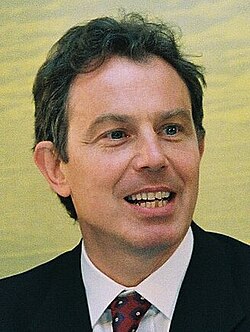
Key Facts
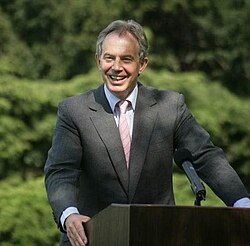
- Tenure: Served as Prime Minister from May 2, 1997, to June 27, 2007.
- Party: Leader of the Labour Party from 1994 to 2007.
- Succession: Succeeded John Major and was succeeded by Gordon Brown.
- International Role: Served as the Special Envoy of the Quartet on the Middle East (2007–2015).
- Education: Graduated from St John's College, Oxford.
Rise to Power and Leadership
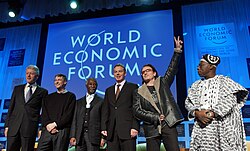
Before becoming Prime Minister, Blair held several critical roles within the Shadow Cabinet, including Shadow Secretary of State for Energy, Employment, and Home Secretary. He took over the leadership of the Labour Party on July 21, 1994, following the death of John Smith.
Blair's leadership was characterized by a strategic shift toward the center, aiming to make the party more palatable to a broader electorate. This period of leadership as the Leader of the Opposition set the stage for the landslide victory in 1997.
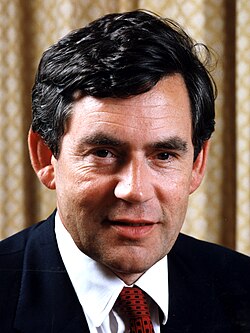
The Premiership (1997–2007)
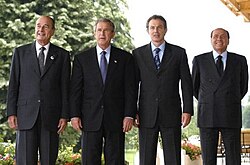
Tony Blair's decade in office was marked by significant domestic investment and a proactive approach to foreign affairs. One of the most enduring aspects of his domestic legacy was the increased spending on the National Health Service (NHS), the UK's publicly funded healthcare system.
![NHS spending 1948/49 to 2014/15[139]](/images/d6/bd/d6bd1c1585e97f11f66b0dc95dbd3647fbf687dcff9f61f328e2e28ed47d2927.png)
Northern Ireland and Peace
Blair played a pivotal role in the Northern Ireland peace process, working toward stability and reconciliation in a region long plagued by conflict.
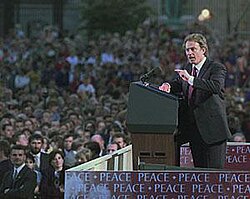
Foreign Policy and the War on Terror
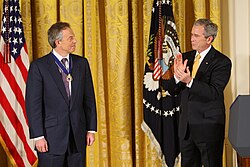
Blair's international standing was defined by his close relationship with US President George W. Bush. This alliance became a focal point of global attention during the military interventions in Afghanistan and Iraq as part of the global war on terror.
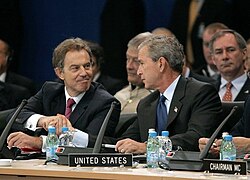
While these actions were framed as necessary for global security, they later became the most controversial aspect of his career, leading to accusations of war crimes and intense scrutiny during the Iraq Inquiry.
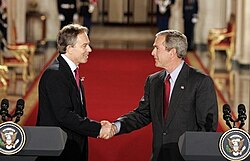
Post-Premiership and Global Diplomacy
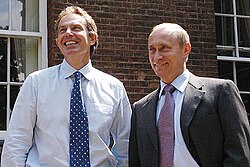
After resigning as Prime Minister in June 2007, Blair transitioned into international diplomacy. He was appointed as the Special Envoy of the Quartet on the Middle East, a role he held until May 2015.
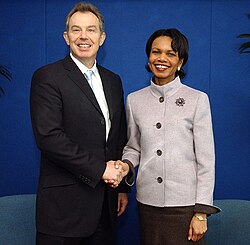
In his later years, he established the Institute for Global Change and has remained active in political commentary, often offering views on the European Union, American power, and the current direction of the Labour Party under leaders like Jeremy Corbyn and Keir Starmer.
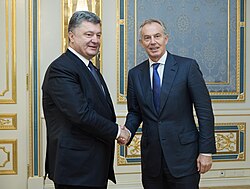
Philanthropy and Writing
Blair has authored several books, including A Journey and On Leadership. He also founded the Tony Blair Sports Foundation and has been involved in various non-profit initiatives focused on faith and globalization.
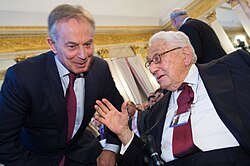
Summary of Political Career
| Role | Period | Key Predecessor/Successor |
|---|---|---|
| Member of Parliament (Sedgefield) | 1983–2007 | Succeeded by Phil Wilson |
| Leader of the Labour Party | 1994–2007 | Preceded by John Smith |
| Prime Minister of the UK | 1997–2007 | Succeeded by Gordon Brown |
| Special Envoy of the Quartet | 2007–2015 | Succeeded by Kito de Boer |
Frequently Asked Questions
Who succeeded Tony Blair as Prime Minister?
Tony Blair was succeeded by Gordon Brown, who had served as the Chancellor of the Exchequer during Blair's premiership.
What was the 'New Labour' movement?
New Labour was a rebranding of the Labour Party under Tony Blair's leadership, shifting the party toward the political center to broaden its appeal to voters.
What was Blair's role after leaving office in 2007?
Following his resignation, he served as the Special Envoy of the Quartet on the Middle East from 2007 to 2015 and later founded the Institute for Global Change.
Which US President did Tony Blair work most closely with?
Tony Blair maintained a very close and often controversial strategic alliance with US President George W. Bush, particularly during the Iraq War.
What are some of Tony Blair's published works?
He has written several books, most notably his memoirs titled A Journey and a work on leadership titled On Leadership.