Field Marshal Lord Walker of Aldringham: A Legacy of British Military Leadership
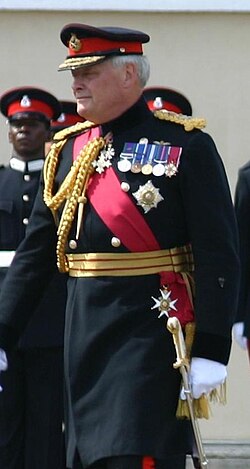
Field Marshal Michael John Dawson Walker, Baron Walker of Aldringham, stands as one of the most distinguished figures in modern British military history. From his early commissions in the 1960s to reaching the pinnacle of the UK's armed forces, his career spanned four decades of geopolitical volatility, including the Cold War, the Troubles in Northern Ireland, and the conflicts in the Balkans and Iraq.
Born on July 7, 1944, in Salisbury, Southern Rhodesia (now Harare, Zimbabwe), Walker's journey began in the British colony before he moved to Yorkshire for his education. After a brief stint as a teacher, he entered the Royal Military Academy Sandhurst, setting the stage for a rise through the ranks that would eventually lead him to the highest professional office in the British military.
Key Facts
- Highest Rank: Field Marshal (promoted in 2014).
- Top Commands: Served as Chief of the Defence Staff (2003–2006) and Chief of the General Staff (2000–2003).
- NATO Leadership: First officer to command the land component of the NATO-led Implementation Force (IFOR) in Bosnia.
- Peerage: Created Baron Walker of Aldringham as a life peer in 2006, sitting as a crossbencher in the House of Lords.
- Major Honors: Knight Grand Cross of the Order of the Bath (GCB) and the American Legion of Merit.
Early Career and Rise Through the Ranks
Commissioned into the Royal Anglian Regiment in 1966, Walker's early service was defined by operational experience in Cyprus and Northern Ireland during The Troubles (the ethno-nationalist conflict in Northern Ireland). His leadership capabilities were recognized early; after commanding the 1st Battalion and serving a second tour in Derry, he was mentioned in despatches for gallant and distinguished service.
In a rare career trajectory, Walker was promoted directly to brigadier at the end of 1987, bypassing the rank of colonel. This rapid ascent led him to command the 20th Armoured Brigade in Germany and later serve as the chief of staff for I Corps.
High Command and International Operations
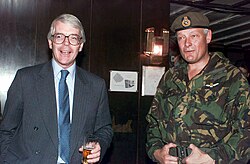
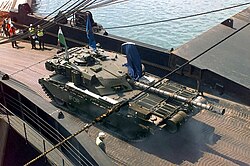
By 1991, Walker had attained general officer status. His experience in the Gulf War and his leadership of the 2nd Infantry Division paved the way for his appointment as commander of NATO's Allied Rapid Reaction Corps (ARRC) in 1994. The ARRC is a high-readiness force designed for rapid deployment.
In December 1995, Walker led the ARRC into the Balkans, where he became the first commander of the land component of the NATO-led Implementation Force (IFOR). While his military execution was highly regarded—earning him the American Legion of Merit—his tenure was not without diplomatic friction. Richard Holbrooke, a key US diplomat, later criticized Walker for taking a "minimalist approach" by refusing to use military authority for non-military tasks, such as the arrest of indicted war criminals.
The Pinnacle of Professional Command
Following his success in the Balkans, Walker served as Commander in Chief, Land Command, before being appointed Chief of the General Staff (CGS) in 2000, making him the professional head of the British Army. In 2003, he reached the zenith of his career as Chief of the Defence Staff (CDS), the professional head of all British Armed Forces.
Challenges During the Iraq War
Walker's tenure as CDS coincided with the Iraq War, a period marked by significant strategic and public relations challenges. He became a focal point of controversy regarding the modernization of the armed forces and the amalgamation of historic army regiments.
He also clashed with the media, suggesting that news reports regarding the location of the Black Watch regiment had endangered troops by alerting enemy forces to their positions. Furthermore, Walker was instrumental in establishing new procedures for the treatment of British personnel accused of abusing Iraqi prisoners, attempting to address claims that the army had abandoned those facing charges.
Retirement and Later Life
Lord Walker retired from active service in 2006. He briefly served as the Governor of the Royal Hospital Chelsea until 2011. His transition to civilian life included a life peerage, allowing him to contribute to the House of Lords as a crossbencher (a member not affiliated with any political party).
In 2014, he was granted the honorary rank of Field Marshal. Beyond his official duties, he remains the Patron of the British South Africa Police Trust and is an avid enthusiast of sailing, shooting, and golf.
| Period | Role/Rank | Key Focus/Location |
|---|---|---|
| 1966–1984 | Platoon/Company Commander | Cyprus, Northern Ireland, UK |
| 1987–1991 | Brigadier / Chief of Staff | 20th Armoured Brigade, Germany |
| 1994–1996 | Lieutenant General (ARRC) | NATO IFOR, Bosnia |
| 2000–2003 | Chief of the General Staff | Professional Head of British Army |
| 2003–2006 | Chief of the Defence Staff | Professional Head of all UK Armed Forces |
| 2014 | Field Marshal | Honorary Promotion |
Frequently Asked Questions
What was Lord Walker's role in the Balkans?
Lord Walker commanded NATO's Allied Rapid Reaction Corps (ARRC) and was the first officer to lead the land component of the Implementation Force (IFOR) in Bosnia starting in December 1995.
Why was his promotion to Brigadier unusual?
His promotion was unconventional because he was promoted directly to the rank of brigadier without ever having held the rank of colonel.
What controversies did he face as Chief of the Defence Staff?
He faced criticism over the amalgamation of historic army regiments and entered a public dispute with the media over whether news coverage of troop movements in Iraq endangered British soldiers.
What is a "crossbencher" in the House of Lords?
A crossbencher is a member of the House of Lords who is not affiliated with any specific political party, maintaining a neutral political stance.
Which high-level honors was he awarded?
He was appointed a Knight Grand Cross of the Order of the Bath (GCB), a Companion of the Order of St Michael and St George (CMG), and received the American Legion of Merit.