Tiaojishan Formation: A Window into Jurassic Biodiversity
The Tiaojishan Formation is a geological treasure trove located across Hebei, Inner Mongolia, and Liaoning in China. Spanning the Callovian to Kimmeridgian stages of the Middle to Late Jurassic (approximately 165 to 153 million years ago), this formation provides an extraordinary glimpse into a prehistoric world of immense biological diversity.
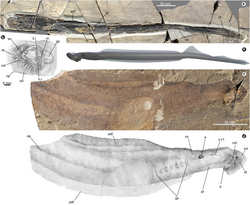
Reaching a thickness of 2,420 meters (7,940 ft), the formation is primarily composed of andesite, though it also contains sandstone, shale, tuff, and coal. It sits stratigraphically above the Haifanggou Formation and beneath the Tuchengzi and Houcheng Formations. The region is particularly famous for the Daohugou Beds, which have yielded exceptionally preserved fossils, including soft tissues and feathers.
Key Facts
- Age: Middle to Late Jurassic (~165–153 Ma).
- Location: Hebei, Inner Mongolia, and Liaoning, China.
- Primary Rock Type: Andesite (volcanic).
- Significance: High-quality preservation of soft tissues in pterosaurs, dinosaurs, and early mammals.
- Key Biota: Diverse assembly of pterosaurs, theropods, cynodonts, and ancient flora.
The Fauna of the Tiaojishan Formation
The animal life preserved in the Tiaojishan Formation is remarkably varied, ranging from aquatic species to gliding mammals and feathered dinosaurs.
Pterosaurs and Flying Reptiles
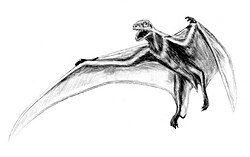
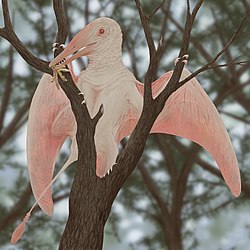
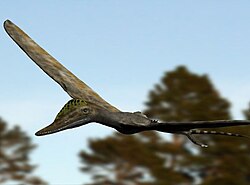
The formation is renowned for its pterosaurs (flying reptiles), including the Wukongopteridae family. Notable species include Darwinopterus modularis, a key transitional form, and Jeholopterus ninchengensis, a batrachognathine anurognathid known for its preserved soft tissue anatomy.
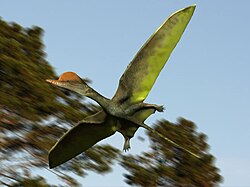
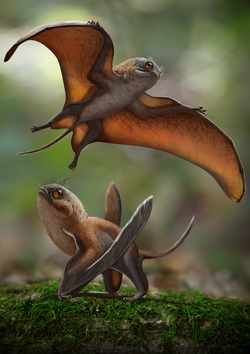
Other significant pterosaurs include Sinomacrops bondei, a long-tailed anurognathid, and Kunpengopterus antipollicatus. The diversity of these creatures suggests a complex aerial ecosystem with various feeding strategies, including early filter-feeding.
Dinosaurs and Early Avialae
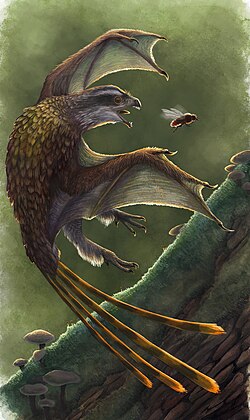
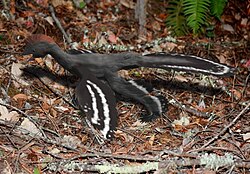
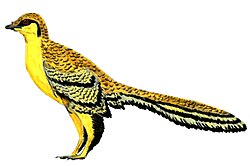
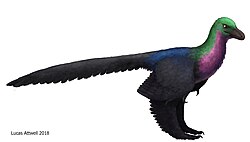
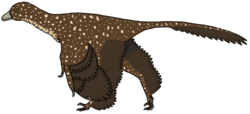
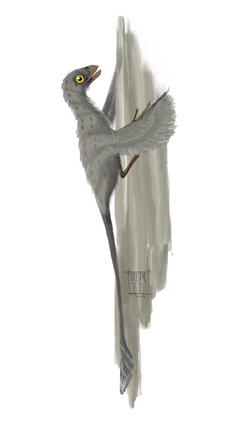
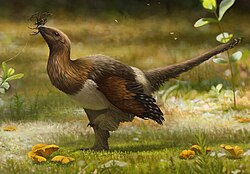
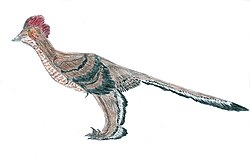
The theropods of this region are critical to understanding the evolution of birds. Anchiornis huxleyi and Aurornis xui provide evidence of early feather development. One of the most unusual finds is Yi qi, a scansoriopterygid theropod that possessed membranous wings for gliding, weighing roughly 380 grams (0.84 pounds).
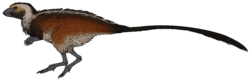
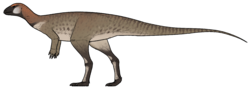
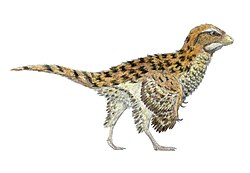
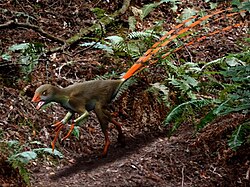
Ornithischians (bird-hipped dinosaurs) are also present, represented by genera such as Pulaosaurus and Tianyulong.
Early Mammals and Cynodonts
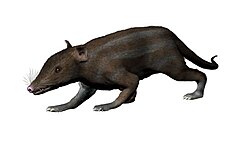
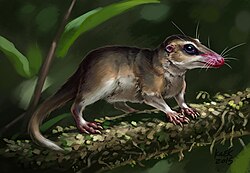
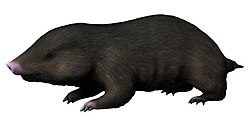
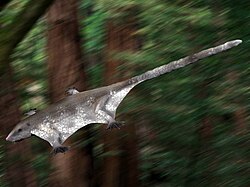
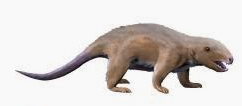
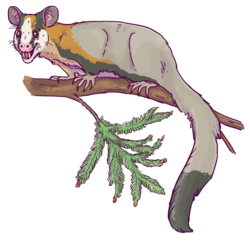
The formation offers a detailed look at cynodonts (mammal-like reptiles) and early mammaliaforms. Juramaia sinensis is a pivotal find for understanding the divergence of marsupials and placentals. The region also reveals specialized lifestyles, such as the subterranean burrowing of Docofossor brachydactylus and the gliding capabilities of Volaticotherium antiquum, which resembled a modern flying squirrel.
Amphibians, Lizards, and Invertebrates
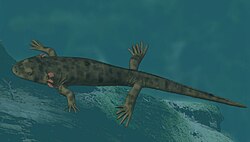
The aquatic and terrestrial environments supported various salamanders, such as Chunerpeton, and several species of lizards. The invertebrate record is equally rich, featuring a variety of flies (such as the tangle-veined Ahirmoneura), water boatmen, and the plectreurid spider Eoplectreurys gertschi.
Ancient Flora and Vegetation
The plant life of the Tiaojishan Formation indicates a lush environment. The flora is categorized into several major groups:
- Bennettitales: Including Williamsonia and Zamites.
- Ginkgoales: Represented by Ginkgo and Solenites.
- Pinophyta: Various conifers including Pityocladus.
- Pteridophyta: A wide array of ferns, such as Claytosmunda and Dicksonia.
| Group | Notable Genera | Key Characteristics |
|---|---|---|
| Pterosaurs | Darwinopterus, Wukongopterus | Soft tissue preservation, transitional forms |
| Theropods | Anchiornis, Yi | Feathers, membranous gliding wings |
| Mammaliaforms | Juramaia, Volaticotherium | Early eutherians, gliding membranes |
| Flora | Ginkgo, Pityocladus | Diverse conifers, ferns, and ginkgophytes |
Frequently Asked Questions
How old is the Tiaojishan Formation?
The formation dates back to the Middle to Late Jurassic, specifically the Callovian to Kimmeridgian stages, approximately 165 to 153 million years ago.
What makes the fossils from this region so special?
The formation is famous for its Lagerstätte quality, meaning it has exceptional preservation. This includes the preservation of soft tissues, skin impressions, and feathers, which are rarely found in the fossil record.
What was Yi qi?
Yi qi was a small, gliding dinosaur (a scansoriopterygid theropod) that developed membranous wings rather than feathered wings, weighing about 380 grams.
Which early mammal is most significant in this formation?
Juramaia sinensis is highly significant as it provides critical data on the early divergence between placental and marsupial mammals.
What was the primary geological composition of the area?
The primary lithology is andesite, a type of volcanic rock, which likely contributed to the rapid burial and excellent preservation of the organisms found there.