Three Kingdoms of Korea: The Era of Goguryeo, Paekche, and Silla
The history of the Korean Peninsula was profoundly shaped by a period of intense competition and cultural consolidation known as the Three Kingdoms period. During this ancient era, several states and small chiefdoms vied for hegemony, eventually coalescing into three dominant powers: Goguryeo, Paekche, and Silla. These kingdoms laid the foundational cultural and social structures that would eventually define the Korean people.
While the term "Three Kingdoms" is most commonly used to describe these three specific polities, the era was actually characterized by a complex landscape of shifting borders and smaller entities, such as the Kaya confederacy, Tamna, and Usan, which were often excluded from the primary triad.
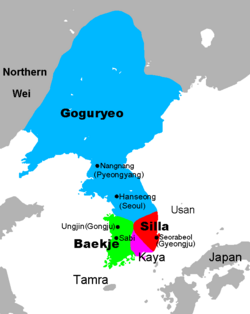
Key Facts
- Primary Kingdoms: Goguryeo, Paekche, and Silla.
- Common Culture: All three kingdoms shared similar languages and cultural practices.
- State Religion: Buddhism was adopted as the state religion by all three kingdoms.
- Social Structure: Unlike the literary-focused elites of China, these kingdoms were characterized by a warrior aristocracy.
- Unification: Silla, allied with the Tang dynasty, eventually unified the peninsula in the 7th century.
The Three Major Powers
Goguryeo
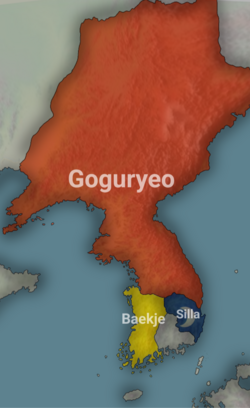
Goguryeo was the largest of the three kingdoms, known for its significant territorial expansion. Originally located near the Chinese border, it expanded deep into Manchuria and successfully destroyed the Chinese Lelang commandery in 313 CE. The kingdom maintained several capitals, including Jolbon, Gungnae, and later Nangrang (modern-day Pyongyang). Goguryeo's influence was deeply felt through its military strength and its early adoption of Buddhism in 372 CE.
Paekche
Founded as a member of the Mahan confederacy, Paekche was established by individuals fleeing succession conflicts in Goguryeo. At its height in the 4th century, Paekche controlled much of the western Korean Peninsula. The kingdom welcomed Buddhism in 384 CE, receiving it from Goguryeo. Due to pressure from Goguryeo, the Paekche capital was moved south to Ungjin and later to Sabi before the kingdom was conquered by the Silla-Tang alliance in 660 CE.
Silla
Silla emerged as a major power that would eventually unify the peninsula. Through a national policy known as Samhan Unification, Silla sought to integrate refugees from Paekche and Goguryeo. Silla's rise was marked by its ability to form strategic alliances, most notably with the Tang dynasty, which enabled it to conquer Kaya in 562, Paekche in 660, and Goguryeo in 668.
Other States and Confederacies
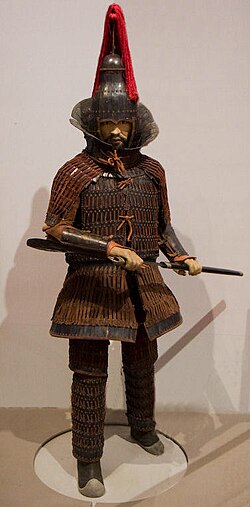
The peninsula was not solely occupied by the three major kingdoms. The Kaya confederacy, located in the Nakdong River valley, was a significant group of small kingdoms that existed from 42 CE until its absorption by Silla in 562. Kaya was a vital economic player, exporting iron ore, iron armor, and weaponry to Paekche and the Kingdom of Wa.
Other regional entities included:
- Dongye, Okjeo, and Buyeo: Territories eventually conquered by Goguryeo.
- Usan (Ulleung-do): A tributary of Silla.
- Tamna (Jeju Province): A tributary of Paekche.
Religion and Culture
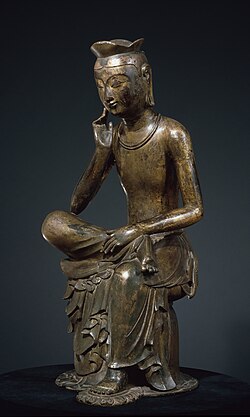
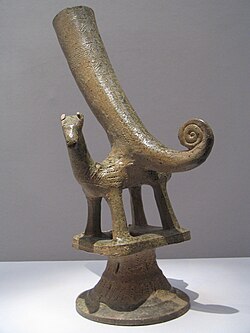
Buddhism played a transformative role in the development of these states. Arriving in Korea in the 3rd century CE via China and Tibet, it was officially adopted by Goguryeo in 372 CE, Silla in 528 CE, and Paekche in 552 CE. This shared religious framework helped unify the diverse populations under a common spiritual and political identity.
Archaeological Evidence and Legacy
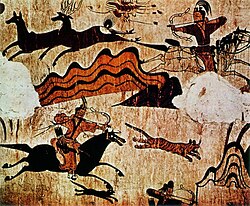
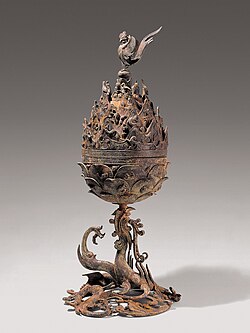
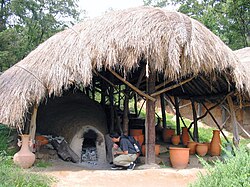
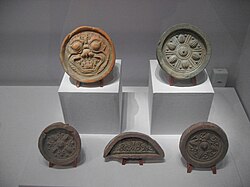
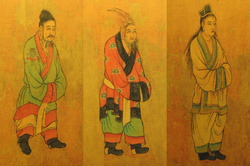
The history of this period is reconstructed through extensive archaeological findings, including monumental architecture, royal burial grounds, and advanced manufacturing. For instance, the Silla royal capital in Gyeongju has yielded numerous temple sites, while Goguryeo's history is preserved in its tomb murals and roof tiles.
| Kingdom | Primary Region | Key Characteristic | Fate |
|---|---|---|---|
| Goguryeo | North (Manchuria/Northern Peninsula) | Largest territory; military expansion | Conquered by Silla-Tang alliance (668 CE) |
| Paekche | Southwest (Western Peninsula) | Mahan roots; maritime/cultural influence | Conquered by Silla-Tang alliance (660 CE) |
| Silla | Southeast (Eastern Peninsula) | Unified the peninsula | Became Unified Silla |
Frequently Asked Questions
What is the difference between the Three Kingdoms and the Samhan?
The term Samhan refers to the ancient confederacies that preceded the unified kingdoms. Over time, particularly during the Silla and Goryeo periods, the concepts of Samhan and the Three Kingdoms were merged in historical nomenclature to refer to the Korean people and their territory.
How did Buddhism influence the Three Kingdoms?
Buddhism served as a state religion for all three kingdoms. It arrived via the Silk Route and provided a unifying cultural and political framework that helped consolidate the power of the ruling classes.
Was the Kaya confederacy part of the Three Kingdoms?
No, Kaya was a separate confederacy of small kingdoms in the Nakdong River valley. While it was a significant contemporary power known for its iron production, it was eventually absorbed by Silla in 562 CE.
Who eventually unified the Korean Peninsula?
Silla, through an alliance with the Tang dynasty of China, successfully conquered Paekche and Goguryeo, ushering in the North-South states period.
What were the primary sources for this history?
The primary historical records include the Korean texts Samguk sagi and Samguk yusa, as well as the "Eastern Barbarians" section of the Chinese Book of Wei.