Thomas Henry Huxley: The Champion of Evolution and Science Education
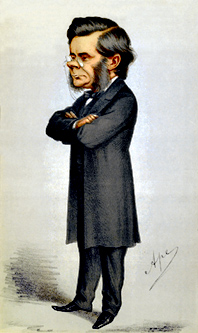
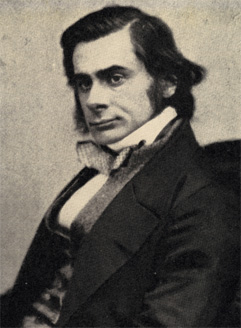
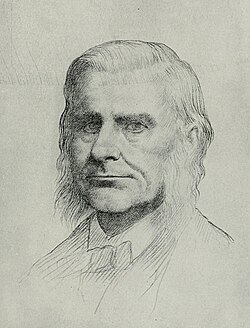
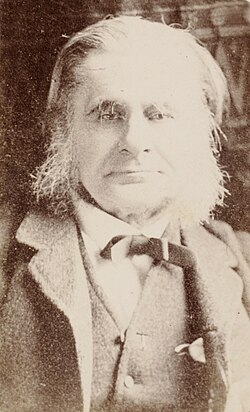
Thomas Henry Huxley (1825–1895) was a towering figure in 19th-century science, an English biologist and anthropologist who fundamentally reshaped the public's understanding of humanity's origins. Specializing in comparative anatomy—the study of similarities and differences in the anatomy of different species—Huxley became the most formidable public defender of Charles Darwin's theory of evolution, earning him the enduring nickname "Darwin's Bulldog."
Beyond his biological research, Huxley was a passionate advocate for science education and a pioneer of agnosticism, a philosophical position that holds that the existence of the divine or the supernatural is unknown or unknowable.
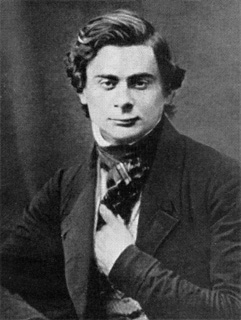
Key Facts
- Known as: "Darwin's Bulldog" for his fierce advocacy of natural selection.
- Specialization: Comparative anatomy, zoology, and anthropology.
- Major Work: Evidence as to Man's Place in Nature (1863).
- Key Philosophy: Coined and promoted the concept of agnosticism.
- Education: Studied at Sydenham College, London, and Charing Cross Hospital.
- Legacy: Great-grandfather of the author Aldous Huxley.
Early Life and the Voyage of the Rattlesnake
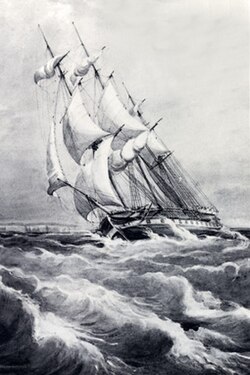
Born on May 4, 1825, in Ealing, London, Huxley's early academic journey took him through Sydenham College and Charing Cross Hospital. His career gained significant momentum during his time with the Royal Navy, most notably during his voyage aboard the HMS Rattlesnake. This expedition provided him with invaluable field experience in zoology and the observation of diverse species.
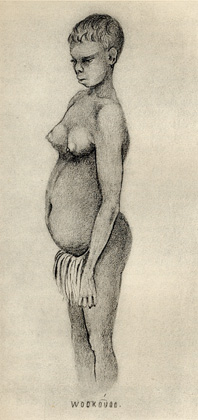
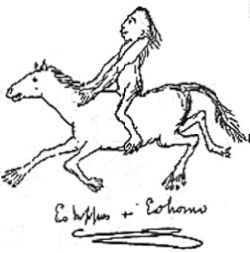
During his travels, Huxley's keen eye for detail was evident not only in his scientific notes but also in his artistic renderings of the people and wildlife he encountered.
The Defender of Evolution
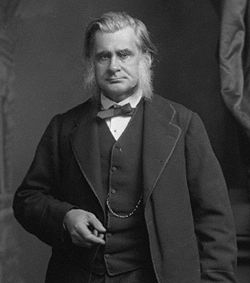
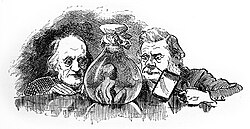
Huxley's most significant historical contribution was his role in promoting the theory of natural selection. While Charles Darwin provided the evidence and the theory, Huxley provided the public voice and the intellectual combativeness needed to challenge the scientific and religious establishment of the Victorian era.
The Debate with Wilberforce
One of the most famous episodes of Huxley's career was his debate with Bishop Samuel Wilberforce. This confrontation highlighted the tension between traditional religious views of creation and the emerging scientific evidence for evolution.
Man's Place in Nature
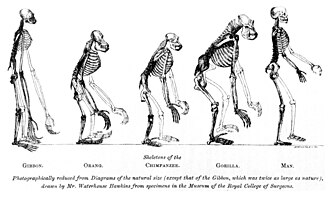
In 1863, Huxley published Evidence as to Man's Place in Nature. This seminal work used comparative anatomy to argue that humans shared a close evolutionary relationship with apes, effectively bringing the theory of evolution to bear on human origins.
Scientific Contributions and Academic Influence
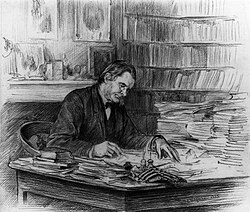
Huxley's expertise extended deep into vertebrate palaeontology and zoology. He was a member of several prestigious institutions, including the Royal College of Surgeons, the Royal School of Mines, and the Royal Institution. He also co-founded the X Club, a dining club of nine scientists dedicated to promoting science and secularism in England.
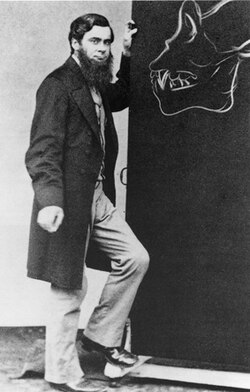
His influence as a teacher was profound, mentoring notable students such as the biologist Michael Foster and the visionary author H. G. Wells. He was also deeply involved in reforming the English school system, advocating for the separation of science from biblical instruction to ensure a more rigorous, evidence-based education.
Public Life, Awards, and Later Years
Throughout his career, Huxley's contributions were recognized with the highest honors in science. He received the Royal Medal (1852), the Wollaston Medal (1876), the Clarke Medal (1880), the Copley Medal (1888), and the Linnean Medal (1890). He also served on various Royal Commissions, including those regarding the legal framework for medicine (The Medical Acts) between 1881 and 1882.
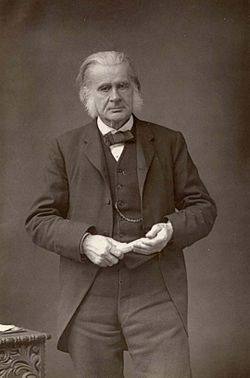
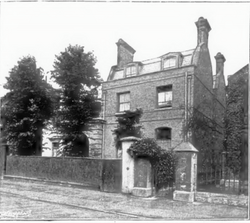
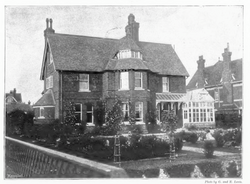
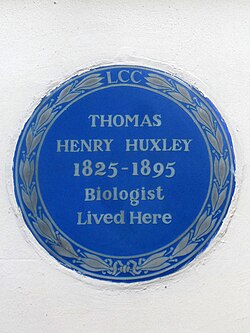
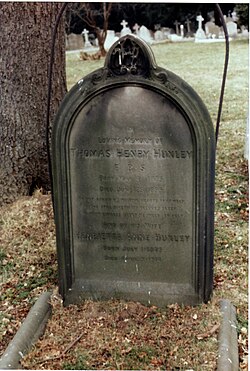
Huxley lived in London at 4 Marlborough Place before spending his final years in Eastbourne, Sussex. He passed away on June 29, 1895, at the age of 70.
Family and Legacy
Huxley and his wife had eight children: five daughters and three sons. His descendants continued to influence intellectual life; his grandson, Aldous Huxley, became a world-renowned author known for works such as Brave New World.
| Category | Details |
|---|---|
| Lifespan | May 4, 1825 – June 29, 1895 |
| Primary Fields | Zoology, Comparative Anatomy, Anthropology |
| Key Nickname | Darwin's Bulldog |
| Major Awards | Royal, Wollaston, Clarke, Copley, and Linnean Medals |
| Notable Descendant | Aldous Huxley (Author) |
| Core Philosophy | Agnosticism |
Frequently Asked Questions
Why was Thomas Henry Huxley called "Darwin's Bulldog"?
He earned this nickname because of his aggressive and tenacious defense of Charles Darwin's theory of evolution in public debates and scientific circles, often taking the lead in arguing the case when Darwin himself was more reserved.
What is the significance of the book "Evidence as to Man's Place in Nature"?
Published in 1863, this book was one of the first to explicitly apply evolutionary theory to humans, using comparative anatomy to demonstrate the close relationship between humans and primates.
What did Huxley mean by "agnosticism"?
Huxley coined the term to describe the view that humans cannot know for certain whether a deity exists, arguing that one should not claim knowledge of the supernatural without sufficient evidence.
How did Huxley influence the English education system?
Huxley campaigned for science to be taught as a distinct, evidence-based subject in schools, independent of religious dogma, and he was a strong proponent of adult education and the professionalization of science.
Who were some of Huxley's most famous students?
Among his notable students were the physiologist Michael Foster and the famous science-fiction author H. G. Wells.