Theophrastus and the Historia Plantarum: The Foundations of Botany
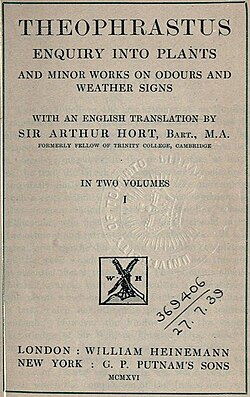
Long before the modern era of biological science, a scholar in ancient Greece laid the groundwork for how we categorize and understand the vegetable kingdom. Theophrastus, a student of Aristotle, authored the Historia Plantarum (Enquiry into Plants) between c. 350 BC and c. 287 BC. This monumental work served as one of the most significant texts of natural history in antiquity, influencing scholars from the Roman Empire through the Renaissance.
Rather than a polished literary work, the surviving text appears to be a collection of working notes used for lectures at the Lyceum. Through these notes, Theophrastus described approximately 500 plant species, moving beyond simple observation to attempt a biological classification based on reproduction—a revolutionary step that led Carl Linnaeus to later name him the "father of botany."
Key Facts
- Author: Theophrastus of Eresus (c. 350 BC – c. 287 BC).
- Scope: Originally ten books, nine of which have survived.
- Innovation: First known attempt at a biological classification of plants based on reproduction.
- Influence: A primary source for Pliny the Elder and a catalyst for Renaissance botanical study.
- Content: Covers plant anatomy, propagation, wild and cultivated species, and medicinal uses.
The Structure and Content of Enquiry into Plants
The Historia Plantarum is a comprehensive survey of the botanical world. Theophrastus organized his findings into thematic books, progressing from the physical structure of plants to their practical applications in medicine.
Plant Anatomy and Classification
In Book 1, Theophrastus examines plant anatomy, detailing leaves, flowers, fruits, seeds, and roots. He established a rough classification system dividing plants into trees, shrubs, herbaceous perennials, and annual herbs. He also distinguished between aquatic and terrestrial plants, noting specific growth patterns, such as the opposite branching of the silver fir or the aerial roots of the banyan tree.
Propagation and Growth
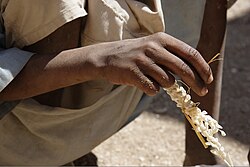
Book 2 focuses on how plants propagate, whether spontaneously, from seeds, or via vegetative parts. Theophrastus observed the impact of soil and climate on growth and documented specific agricultural techniques. For example, he described the artificial pollination of the date palm, where the male spathe is cut and its dust shaken over the female tree to ensure fruiting.
Wild and Foreign Species
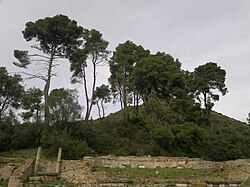
Books 3 and 4 explore wild trees and species from abroad. Theophrastus noted that wild trees are often more vigorous than cultivated ones and tend to thrive in colder, hillier terrains. He expanded his scope to include plants from Egypt, Libya, and Asia, as well as Mediterranean aquatic plants like reeds and rushes.
Wood and Undershrubs
Book 5 is dedicated to the properties of wood, while Book 6 classifies undershrubs. He divided these into spiny varieties (such as thistle and safflower) and spineless ones (such as sage and marjoram). He also provided detailed observations on roses, noting variations in petal count, scent, and color.
Medicinal Plants and Herbals
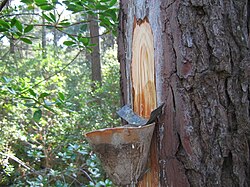
Book 9 is particularly significant as one of the first herbals—texts describing the medicinal properties of plants. Theophrastus detailed the extraction of juices, gums, and resins. He documented various substances, including the painless death caused by hemlock (and its antidotes, pepper and frankincense) and the use of birthwort for snakebites and bruises.
Historical Reception and Legacy
The influence of the Historia Plantarum spanned millennia. In antiquity, Pliny the Elder cited Theophrastus extensively in his Natural History. However, the work became less known in Western Europe during the Middle Ages, only regaining prominence in the 15th century.
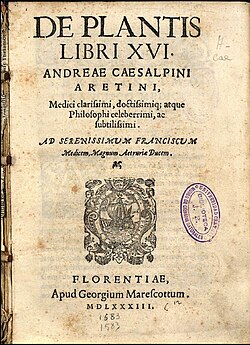
The Byzantine refugee Theodorus Gaza translated the work into Latin by 1454, sparking a Renaissance revival in plant taxonomy. This renewed interest encouraged scholars to move away from the uncritical acceptance of medieval pharmacology and return to empirical observation. Later, Andrea Cesalpino utilized Theophrastus's findings in his 1583 work De Plantis.
| Feature | Details |
|---|---|
| Original Language | Ancient Greek |
| Estimated Date | c. 350 BC – c. 287 BC |
| Surviving Volume | 9 of 10 original books |
| Key Contribution | First biological plant classification system |
| Major Translations | Latin (Theodorus Gaza, 1483); English (Sir Arthur Hort, 1916) |
Frequently Asked Questions
Why is Theophrastus called the "father of botany"?
He earned this title from Carl Linnaeus because he conducted the first scientific inquiries into plants and developed one of the earliest systems of plant classification based on biological reproduction.
How did Theophrastus gather his information?
He used a variety of sources, including the library of the Lyceum, the writings of Diocles, and practical information gathered from rhizotomoi (root-cutters) and pharmacopolai (drug-sellers).
What is the difference between the Historia Plantarum and a modern botany textbook?
The Historia Plantarum was written as a set of lecture notes rather than a formal book, featuring a condensed style with many lists of examples. It also blends botanical observation with early medicinal pharmacology.
Which plants are specifically mentioned in the text?
Theophrastus mentions about 500 species, including poppy, hemlock, wild lettuce, mandrake, silver fir, and various types of palms and roses.