The Residents: Five Decades of Avant-Garde Art Pop and Mystery
Few musical acts have maintained a level of anonymity and conceptual rigor as steadfastly as The Residents. Emerging from San Francisco in the late 1960s, this collective has spent over half a century blurring the lines between music, performance art, and multimedia storytelling. By shielding their identities behind iconic eyeball helmets and distorted vocals, they have shifted the focus from the cult of personality to the purity of the artistic experiment.
Their work spans a dizzying array of genres, including experimental rock, art pop, and electronic music. From their early provocations to their later narrative-driven cycles, The Residents have consistently challenged the conventions of the recording industry and the expectations of the listener.
Key Facts
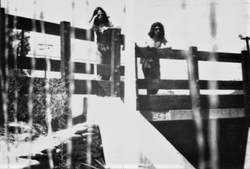
- Active Since: 1969 (initially unnamed, later as Residents, Uninc. and The Residents).
- Core Genre: A blend of experimental rock, art pop, and electronic music.
- Defining Aesthetic: Strict anonymity, often utilizing eyeball helmets and costumes.
- Key Labels: Ralph Records, Rykodisc, Enigma, Mute, and MVD.
- Major Milestones: The 1980s "Mole Show" tour and the 50th anniversary tour in 2023.
The Evolution of a Mystery: A History
Origins and the Classic Era (1969–1980)
The group began in 1969, operating without a name until 1971. By 1973, they had solidified as The Residents. The mid-1970s were marked by provocative releases such as Meet the Residents (1974) and The Third Reich 'n Roll (1976). This era established their penchant for satire and sonic disruption.
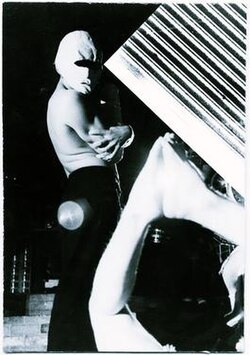
As the decade closed, the group gained wider popularity with conceptual works like Eskimo (1979) and the influential Duck Stab!/Buster and Glen (1978). Their 1980 Commercial Album further pushed the boundaries of song structure and brevity.
Technological Shifts and Live Spectacles (1981–1990)
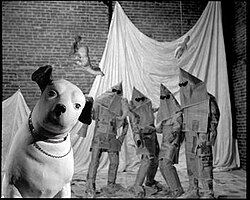
The 1980s saw The Residents embrace elaborate live performances and new technology. A centerpiece of this era was Mark of the Mole (1981) and the subsequent Mole Show tour (1982–1983), which integrated theatrical narratives with their experimental sound.
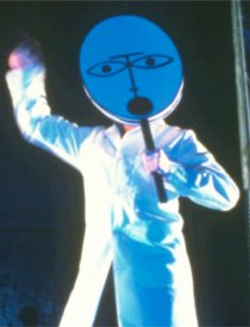
The group also explored the American Composers Series and projects like God in Three Persons (1988), continuing to evolve their sound while transitioning away from their original label, Ralph Records.
Multimedia and the New Millennium (1991–2009)
In the 1990s, the collective ventured into digital media with CD-ROMs and the Freak Show project. During this period, singer Molly Harvey was recruited, officially joining the group in 1997 for the Disfigured Night performance.
The early 2000s marked a return to touring with albums like Wormwood (1998) and Demons Dance Alone (2002). This transitioned into the "Storyteller" era (2006–2009), characterized by narrative albums such as The Bunny Boy.
Recent Years and the 50th Anniversary (2010–Present)
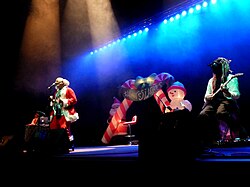
Between 2010 and 2016, the group adopted the personas of "Randy Rose," "Chuck Bobuck," and "Bob." This era included solo "contraptions" by Chuck Bobuck before his retirement in 2015. He was briefly replaced by Eric Drew Feldman, performing as "Rico."
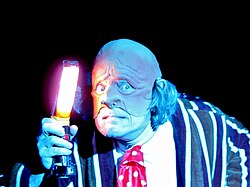
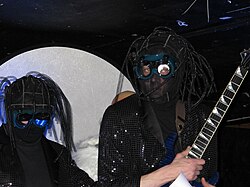
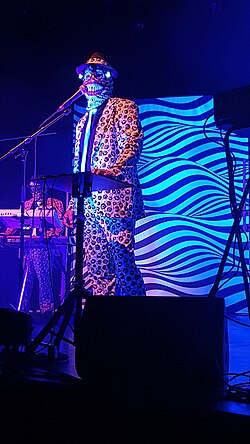
The group celebrated their 50th anniversary with a tour starting January 26, 2023, featuring screenings of their film Triple Trouble and songs from the 2020 album Metal, Meat & Bone.
Identity and Collaborators
The Residents' identity has always been a fluid construct. While they have worked with numerous collaborators, Hardy Fox was a central figure and chief composer until his passing in 2018. The group has also navigated complex relationships with collaborators, such as the public announcement in 2024 that they would no longer work with Nolan Cook.
Summary of Major Works
| Era | Key Albums/Projects | Defining Characteristic |
|---|---|---|
| Classic Era (1972–1980) | Meet the Residents, Duck Stab!, Eskimo | Anonymity and sonic provocation |
| Theatrical Era (1981–1990) | Mark of the Mole, God in Three Persons | Elaborate live shows and narrative arcs |
| Multimedia Era (1991–2005) | Freak Show, Wormwood, Icky Flix | CD-ROMs and return to global touring |
| Modern Era (2006–Present) | The Bunny Boy, Metal Meat & Bone | Storyteller narratives and anniversary retrospectives |
Frequently Asked Questions
Who are the members of The Residents?
The group maintains strict anonymity. While they have used personas like Randy Rose, Chuck Bobuck, and Bob, and Hardy Fox was recognized as a co-founder and chief composer, the true identities of the collective remain a guarded secret.
What is the "Mole Show"?
The Mole Show was a major theatrical production and tour (1982–1983) based on the album Mark of the Mole, representing a shift toward high-concept live performance art.
What is the significance of the eyeball helmets?
The eyeball helmets are the group's most iconic visual symbol, serving to erase the individual identities of the performers and reinforce the concept that the art is more important than the artist.
How has the group's sound changed over time?
They began with experimental rock and art pop, moved into complex electronic arrangements and multimedia projects, and later embraced narrative-driven "storyteller" albums and metal-influenced sounds in their 50th-anniversary era.
Is the group still active?
Yes, The Residents continue to perform and release music, as evidenced by their 50th anniversary tour in 2023 and the upcoming 2025 release Doctor Dark.