Punk Jazz: The High-Energy Fusion of Improvisation and Rebellion
Punk jazz is a provocative musical genre that bridges the gap between the structured aggression of punk rock and the fluid, spontaneous nature of jazz. By blending the instrumentation and raw performance style of punk with the improvisational spirit of jazz—particularly free jazz—the genre creates a dissonant, high-energy sound that challenges traditional musical boundaries.
The term first gained prominence in 1979 to describe the album Buy by James Chance and the Contortions. Since its inception, punk jazz has maintained a close relationship with no wave (an avant-garde movement in New York), loft jazz (experimental jazz performed in artist lofts), and free jazz. Its influence has extended far beyond its original scene, shaping the development of alternative hip hop and post-hardcore.
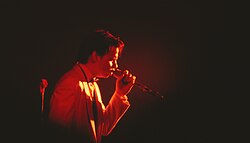
Key Facts
- Origins: Emerged in the mid-1970s in the United States.
- Core Elements: Combines punk rock's energy and instrumentation with jazz improvisation.
- Key Figures: Notable proponents include James Chance, John Zorn, Arto Lindsay, and Elliott Sharp.
- Subgenres: Includes jazzcore, which integrates heavy metal and hardcore punk.
- Influences: Closely linked to no wave, free jazz, and art punk.
The Evolution of Punk Jazz
Early Foundations (1970s–1980s)
While the genre solidified later, early precursors appeared as early as 1970. The Stooges experimented with this sound on their album Fun House, specifically in the tracks "1970," "Fun House," and "L.A. Blues," which featured saxophone work by Steve Mackay.
By the late 1970s, the New York no wave scene began rejecting blues-influenced punk in favor of a style that blended experimental drone rock, free jazz noise, and avant-garde influences. This era saw the rise of Lydia Lunch's Queen of Siam and the work of James Chance and the Contortions, who fused funk with punk and free jazz. This movement influenced international acts like the Pop Group in London, who added dub reggae to the mix, and the Birthday Party, whose 1982 album Junkyard combined no-wave guitar with "free-jazz craziness."
The Lounge Lizards were the first group to explicitly label themselves as "punk jazz." Other pioneers included Bill Laswell and his bands Material and Massacre, who integrated funk and improvisation into rock. Meanwhile, James Blood Ulmer applied Ornette Coleman's harmolodic style (a philosophy of equalizing melody, harmony, and rhythm) to the guitar.
Expansion into Hardcore and Post-Hardcore (1990s)
In the 1990s, free jazz became a cornerstone of the American post-hardcore scene. Bands like Drive Like Jehu expanded on the atonal solos of Black Flag, while the Nation of Ulysses utilized complex song structures and trumpet performances. The Nation of Ulysses even covered John Coltrane's A Love Supreme, titling their version "The Sound of Jazz to Come" as a nod to Ornette Coleman.
Other influential acts included Chicago's Cap'n Jazz, who paired hardcore screams with amateur tuba and odd time signatures, and the Swedish band Refused. Refused's album The Shape of Punk to Come famously alternated between manic hardcore and slower, jazz-influenced compositions.
Modern Iterations and Jazzcore (2000s–Present)
In the 21st century, the genre has merged with heavier sounds. Chicago's Yakuza and the band Candiria combined free jazz and psychedelia with heavy metal. In Italy, Ephel Duath explored these boundaries on albums like The Painter's Palette before moving toward progressive rock. In Japan, the band Midori became known for a chaotic, dissonant blend of hardcore punk and jazz until their disbandment in 2010.
Contemporary artists continuing to explore these intersections include King Krule, Maruja, Gutbucket, and Antikult.
Understanding Jazzcore
Jazzcore is a specialized subgenre of punk jazz. It specifically incorporates the intensity of hardcore punk and heavy metal alongside traditional jazz instrumentation and improvisation. It shares stylistic DNA with mathcore and jazz metal, emphasizing technical proficiency and aggressive delivery.
| Style | Primary Influences | Key Characteristics |
|---|---|---|
| Punk Jazz | Punk Rock, Free Jazz | Improvisation, raw energy, dissonant horns |
| No Wave | Avant-garde, Drone Rock | Experimental noise, rejection of blues structures |
| Jazzcore | Hardcore Punk, Heavy Metal | High distortion, technical jazz instrumentation |
| Post-Hardcore | Hardcore Punk, Free Jazz | Complex time signatures, atonal solos |
Frequently Asked Questions
What is the difference between punk jazz and jazz fusion?
While jazz fusion typically blends jazz with rock, funk, and R&B in a polished or virtuosic manner, punk jazz emphasizes the raw, aggressive, and often dissonant performance style of punk rock and the unrestrained nature of free jazz.
Who were the first artists to use the term "punk jazz"?
The Lounge Lizards were the first group to call themselves a punk jazz band, though the term was first used to describe James Chance and the Contortions' 1979 album Buy.
How did free jazz influence the 1990s post-hardcore scene?
Post-hardcore bands adopted the odd time signatures, atonal guitar solos, and complex song structures characteristic of free jazz to move beyond the simpler formats of early hardcore punk.
What is jazzcore?
Jazzcore is a subgenre that merges the instrumentation and improvisation of jazz with the extreme volume and aggression of heavy metal and hardcore punk.
Which early rock bands experimented with jazz elements before the genre existed?
The Stooges are cited as early precursors, particularly on their 1970 album Fun House, where Steve Mackay's saxophone added a jazz-like quality to their proto-punk sound.