Punk Jazz: The Fusion of Improvisation and Rebellion
Punk jazz is a high-energy musical genre that bridges the gap between the structured aggression of punk rock and the fluid, spontaneous nature of jazz. By combining the instrumentation and raw performance style of punk with the improvisational freedom of jazz, the genre creates a dissonant and often chaotic sonic experience. The term first gained prominence in 1979 to describe the album Buy by James Chance and the Contortions.
While it shares DNA with free jazz (a style characterized by a lack of fixed tempo or chord progressions) and no wave (an avant-garde movement in New York City), punk jazz has evolved into a significant influence on later movements, including alternative hip hop and post-hardcore.
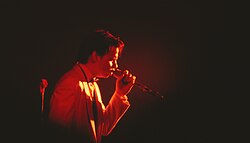
Key Facts
- Origins: Emerged in the mid-1970s in the United States.
- Core Elements: Blends punk rock's energy and instrumentation with jazz improvisation.
- Key Figures: James Chance, John Zorn, Arto Lindsay, and Elliott Sharp.
- Subgenres: Includes jazzcore, which integrates heavy metal and hardcore punk.
- Influences: Closely linked to no wave, loft jazz, and free jazz.
The Evolution of Punk Jazz
Early Foundations (1970s–1980s)
The seeds of the genre were planted as early as 1970 by The Stooges. On their album Fun House, tracks like "1970" and "L.A. Blues" featured saxophone work by Steve Mackay, hinting at a fusion of rock and jazz years before the genre formalized.
By the late 1970s, New York City's no wave scene began rejecting blues-influenced punk in favor of experimental drone rock and free jazz noise. James Chance and the Contortions became pivotal figures by mixing funk with punk and free jazz. This movement extended to London, where the Pop Group incorporated dub reggae and free jazz into their sound, and The Birthday Party blended "no-wave guitar" with "free-jazz craziness."
The Lounge Lizards were the first ensemble to explicitly label themselves as "punk jazz." Simultaneously, Bill Laswell and his projects, Material and Massacre, experimented with funk and improvisation. Other notable contributors included James Blood Ulmer, who applied harmolodic styles to the guitar, and the Bad Brains, who began their career attempting jazz fusion before establishing the foundations of hardcore punk.
Expansion in the 1990s
In the early 1990s, free jazz became a cornerstone of the American post-hardcore scene. Bands like Drive Like Jehu utilized atonal guitar solos, while the Nation of Ulysses integrated trumpet and complex time signatures. The Nation of Ulysses even covered John Coltrane's A Love Supreme, titling their version "The Sound of Jazz to Come" as a nod to Ornette Coleman.
This influence reached Sweden with the band Refused, whose album The Shape of Punk to Come alternated between manic hardcore and slower, jazz-influenced compositions.
Modern Iterations (2000s–Present)
In more recent decades, the genre has merged with heavier styles. Chicago's Yakuza and Candiria combined free jazz and psychedelia with heavy metal. In Japan, the band Midori became known for a chaotic blend of dissonant jazz and hardcore punk until their disbandment in 2010. Contemporary artists continuing this lineage include King Krule, Maruja, and Gutbucket.
Jazzcore: The Heavy Subgenre
Jazzcore is a specialized subgenre that pushes the boundaries of punk jazz by incorporating the intensity of heavy metal and hardcore punk. It maintains typical jazz instrumentation and a focus on improvisation but delivers them with the volume and aggression of metal.
| Genre/Style | Primary Influences | Key Characteristics |
|---|---|---|
| Punk Jazz | Punk Rock, Free Jazz | Improvisation, raw energy, dissonant horns |
| No Wave | Avant-garde, Drone Rock | Experimental noise, rejection of blues structures |
| Jazzcore | Hardcore Punk, Heavy Metal | High distortion, jazz instrumentation, aggressive tempo |
| Loft Jazz | Experimental Jazz | Underground performance spaces, improvisational focus |
Frequently Asked Questions
What is the difference between punk jazz and jazzcore?
Punk jazz is the broader genre combining jazz improvisation with punk rock. Jazzcore is a more aggressive subgenre that specifically adds elements of heavy metal and hardcore punk to the mix.
Who are some of the most influential punk jazz musicians?
Key proponents include James Chance, who helped define the term with the Contortions, as well as John Zorn, Arto Lindsay, and Elliott Sharp.
How did no wave influence punk jazz?
No wave provided a bridge by moving away from traditional blues-rock punk and embracing avant-garde noise and free jazz, which allowed punk jazz to develop its dissonant and experimental sound.
Which early rock bands experimented with these sounds?
The Stooges are credited with early experimentation on their 1970 album Fun House, specifically through the use of saxophone in several tracks.
What is the relationship between punk jazz and post-hardcore?
Punk jazz, particularly free jazz, heavily influenced the 1990s post-hardcore scene, leading bands like the Nation of Ulysses and Refused to use odd time signatures and complex song structures.