The Life of Birds: David Attenborough's Definitive Study of Avian Evolution
First broadcast in the United Kingdom in October 1998, The Life of Birds is a landmark BBC nature documentary series written and presented by the renowned naturalist David Attenborough. This comprehensive study explores the evolution, habits, and survival strategies of the world's most diverse avian species. Produced by the BBC Natural History Unit in collaboration with PBS and BBC Worldwide Americas Inc., the series earned a Peabody Award in 1999 for its blend of impeccable science and spectacular imagery.
The series consists of ten 50-minute episodes, each focusing on a specific aspect of a bird's daily existence. It serves as a critical piece of Attenborough's broader biological surveys, following The Private Life of Plants (1995) and preceding The Life of Mammals (2002).
Key Facts
- Presenter: David Attenborough.
- Production: BBC Natural History Unit, executive produced by Mike Salisbury.
- Format: 10 episodes, each 50 minutes long.
- Accolades: Winner of a 1999 Peabody Award.
- Scope: Covers avian evolution, flight mechanics, diet, mating, and conservation.
The Evolution and Mechanics of Flight
The series begins by tracing the origins of flight, noting that birds evolved from early feathered creatures like Archaeopteryx. While pterosaurs were earlier forerunners, birds eventually dominated the skies. The drive to fly was largely a response to predator evasion, which explains why flightless birds typically evolved on islands with few natural enemies.
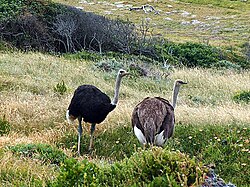
Flight is the most energy-intensive activity a bird undertakes. To minimize weight, birds possess a light skeletal frame and beaks made of keratin (a tough, fibrous protein) rather than bone. The series highlights a vast spectrum of flight capabilities, from the peregrine falcon, which can dive at speeds exceeding 300 km/h, to hummingbirds, whose wings beat 25 times per second.
Dietary Adaptations and Hunting Strategies
Avian beaks have evolved into specialized tools tailored to specific diets. For example, the crossbill can twist its mandibles in opposite directions to extract seeds, while the sword-bill possesses the longest beak relative to body size for nectar feeding. Intelligence is also a key factor in foraging; crows are shown using twigs as tools to spear grubs.
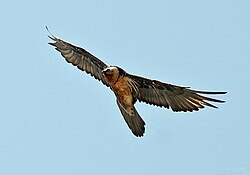
Carnivorous birds, or birds of prey, rely on acute sight and hearing. While most hunt live prey, vultures specialize in carrion. Some species exhibit highly specialized feeding habits, such as the lammergeier.
Water-dwelling birds employ diverse fishing techniques. The kingfisher uses a "harpoon" dive, while skimmers use a specialized lower mandible to glide across the water's surface. In the open ocean, boobies utilize high-speed dive-bombing to capture shoals of fish.
Communication, Courtship, and Parenting
Birds communicate through a complex array of signals and songs. Many species possess excellent color vision, including the ability to see ultraviolet light. The superb lyrebird is noted as one of the most versatile mimics, capable of imitating other birds as well as mechanical sounds like car alarms.
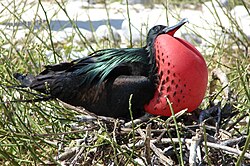
Courtship rituals are often elaborate, involving visual displays, dancing, or gifts. The male frigatebird, for instance, uses an inflated throat pouch to attract mates.
The demands of reproduction are immense. Because eggs are too heavy for flight, birds must find secure nesting sites, ranging from the water curtains of Iguazu Falls to the interior of ants' nests. Once hatched, parenting strategies vary from the cooperative "troop" behavior of Arabian babblers to the brood parasitism of the European cuckoo, which tricks other species into raising its young.
Survival and Conservation
Birds have adapted to some of the harshest environments on Earth. The sandgrouse can absorb water in its breast feathers to transport it to its chicks in the desert. However, human influence has posed a severe threat to many species. The introduction of brown tree snakes on Guam wiped out its native bird population, and species like the dodo and great auk were hunted to extinction.
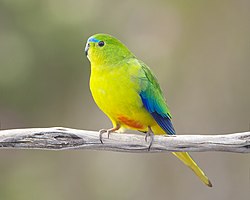
Current conservation efforts focus on saving critically endangered species, such as the orange-bellied parrot in Australia and the echo parakeet in Mauritius.
Series Summary
| Detail | Information |
|---|---|
| Original Release Date | 21 October – 23 December 1998 |
| Network | BBC One |
| Number of Episodes | 10 |
| Music Composers | Ian Butcher and Steven Faux |
| Key Themes | Evolution, Flight, Diet, Communication, Parenting, Survival |
Frequently Asked Questions
Why did some birds evolve to be flightless?
Flightless birds typically evolved in environments, such as islands, where there were few natural predators, making the high energy cost of maintaining flight unnecessary for survival.
What is the fastest bird in the air?
The peregrine falcon holds the record for the fastest speed in the air, reaching over 300 km/h during its dive.
How do birds keep their weight low for flight?
Birds reduce weight by having a light skeletal frame and replacing heavy bone in their beaks with keratin.
What is brood parasitism in birds?
Brood parasitism is a strategy where a bird, such as the European cuckoo, lays its eggs in the nest of another species, tricking the host bird into raising the chick.
Which bird is known for its incredible mimicry?
The superb lyrebird is one of the most versatile performers, capable of mimicking other bird species as well as human-made sounds like chainsaws and cameras.