Archaeopteryx: The Transitional Link Between Dinosaurs and Birds
Archaeopteryx stands as one of the most significant fossils in the history of palaeontology. Existing during the Late Jurassic period, approximately 150.8 to 148.5 million years ago, this creature provides a critical glimpse into the evolutionary transition from non-avian theropod dinosaurs to modern birds. With a blend of reptilian and avian characteristics, it serves as a biological bridge that helps scientists understand how flight and feathers emerged.
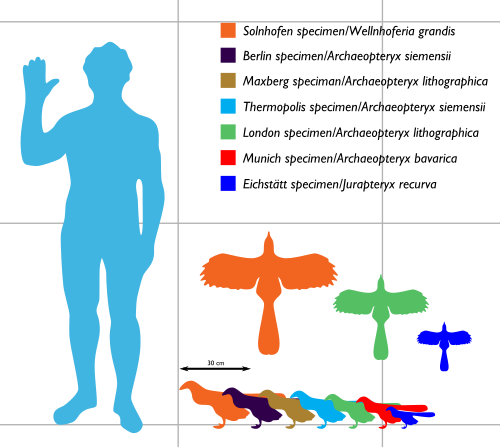
Roughly the size of a modern raven, Archaeopteryx possessed broad, rounded wings and a body length of up to 50 centimetres (1 ft 8 in). Its wingspan could reach 70 centimetres (2 ft 4 in), and it is estimated to have weighed between 500 and 1,000 grams (18 to 35 oz).
Key Facts
- Temporal Range: Late Jurassic (Tithonian), 150.8–148.5 Ma.
- Classification: A theropod dinosaur within the clade Paraves.
- Physical Traits: Combined bird-like feathers and wings with dinosaur-like teeth and a long bony tail.
- Specimens: Twelve known specimens have been recovered to date.
- Key Species: Includes A. lithographica, A. siemensii, and A. albersdoerferi.
Anatomy and Physical Description
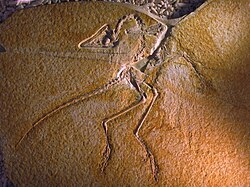
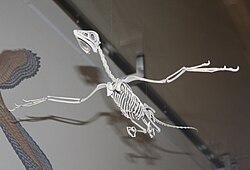
Archaeopteryx is defined by its mosaic of features. While it possessed feathers that were structurally similar to those of modern birds, it retained several primitive traits characteristic of theropods (bipedal, carnivorous dinosaurs). Unlike modern birds, which have a short pygostyle, Archaeopteryx had a long, bony tail. It also possessed small teeth in its jaws, a feature entirely absent in modern avian species.
Plumage and Coloration
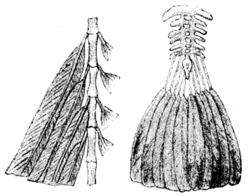
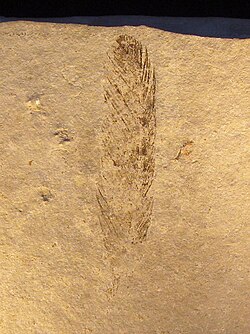
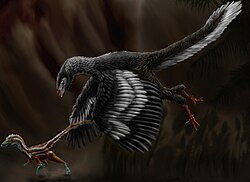
The feathers of Archaeopteryx were not merely for insulation but were adapted for aerodynamic function. Research into isolated feathers has suggested that the creature may have been "robed in black," providing insight into its appearance and potential camouflage or display needs.
Skeletal Structure
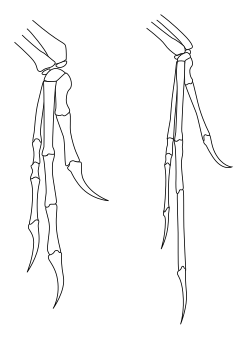
The skeletal framework reveals a transition in limb geometry. Comparisons between the forelimbs of Archaeopteryx and other theropods, such as Deinonychus, highlight the specialization of the wing for flight. However, the presence of claws and specific bone structures suggests a complex relationship with its environment, with some theories suggesting arboreal (tree-dwelling) habits.
History of Discovery and Specimens
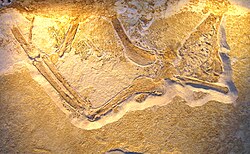
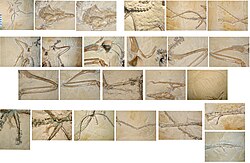
The discovery of Archaeopteryx has unfolded over more than a century, with twelve specimens recovered. These fossils have allowed researchers to track growth trends and anatomical variations across the genus.
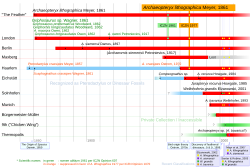
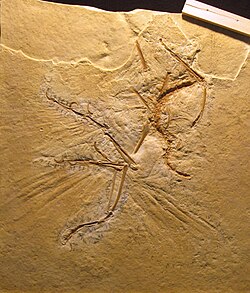
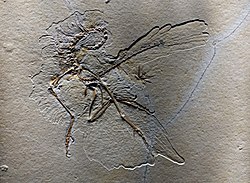
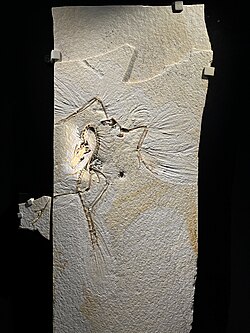
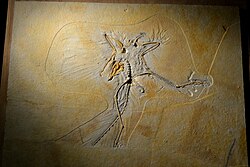
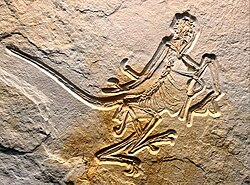
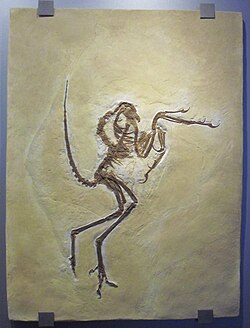
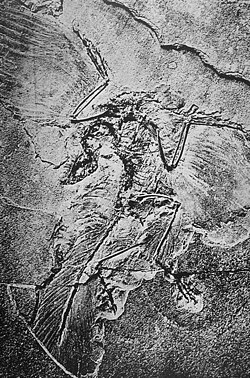
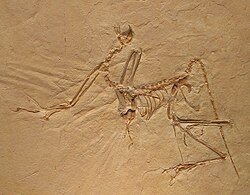
Among the most famous is the London Specimen, the type specimen that first brought the genus to light. Other notable finds include the Berlin Specimen, which provides exceptional detail of the plumage, and the Munich Specimen. More recently, a twelfth specimen discovered in 2010 at the Schamhaupten quarry was described in 2018; notably, this specimen is the only one lacking preserved feathers and is slightly older than the others.
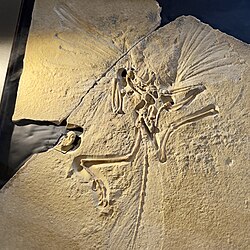
Summary of Notable Specimens
| Specimen Name | Key Feature/Significance |
|---|---|
| London Specimen | The type specimen of the genus. |
| Berlin Specimen | Exceptional preservation of feathers. |
| Daiting Specimen | Holotype of A. albersdoerferi. |
| Schamhaupten (12th) | Complete skeleton; lacks preserved feathers. |
| Bürgermeister-Müller | Known as the "chicken wing" specimen. |
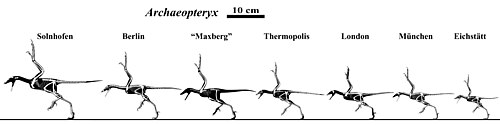
Classification and Evolution
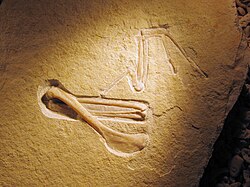
The taxonomic history of Archaeopteryx is complex, with various names proposed over time. While some researchers suggested separate genera such as Jurapteryx or Wellnhoferia, the conserved name remains Archaeopteryx. It is currently classified within the family Archaeopterygidae and the clade Paraves.
The phylogenetic position of Archaeopteryx has been a subject of intense debate. While once considered the "first bird," newer discoveries of other feathered theropods have shifted its position, though it remains a primary example of the transition from dinosaur to bird.
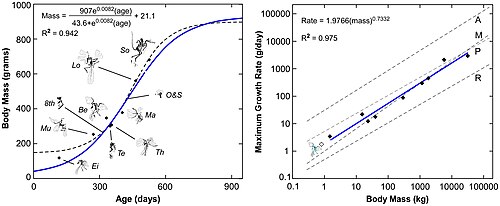
Frequently Asked Questions
![Artist's restoration illustrating one interpretation of Carney's study[73]](/images/3d/99/3d99eb5121b119dcc810e25ddb73fc988ed97e13f47f42bb077fe52426c50dc4.jpg)
Was Archaeopteryx a bird or a dinosaur?
It is considered both: a feathered theropod dinosaur that represents a transitional form between non-avian dinosaurs and modern birds.
Could Archaeopteryx actually fly?
Evidence suggests it had the capacity for flight, though debates continue regarding whether it was a powerful flier or more of a glider. Wing bone geometry indicates active flight capabilities.
How many species of Archaeopteryx are there?
The recognized species include A. lithographica, A. siemensii, and A. albersdoerferi.
What makes Archaeopteryx different from modern birds?
The most striking differences are its long bony tail and the presence of teeth, both of which are dinosaurian traits not found in modern birds.
Where were these fossils found?
The specimens were primarily recovered from the Solnhofen limestone in Bavaria, Germany, with the twelfth specimen found at the Schamhaupten quarry.