The Franks: From Germanic Tribes to the Architects of Western Europe
The Franks (Latin: Franci) were a pivotal Western European people who first emerged in the third century AD. Originally a collection of Germanic tribes residing near the Rhine River, they evolved into a vast, multilingual, Catholic Christian population. Over several centuries, they expanded their influence to control immense territories both within and beyond the borders of the former Roman Empire, laying the foundations for much of modern-day France, Germany, Belgium, Luxembourg, and the Netherlands.
Their journey from frontier tribes to imperial rulers is a story of strategic adaptation, military prowess, and the blending of Germanic and Roman cultures.
Key Facts

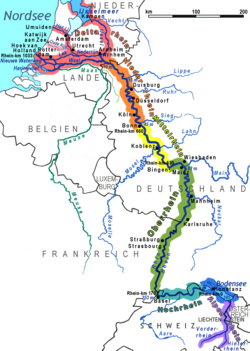
- Origins: Emerged in the 3rd century AD as a group of Germanic tribes near the Lower Rhine.
- Key Dynasties: The Merovingians (founded by Clovis I) and the Carolingians (culminating in Charlemagne).
- Territorial Reach: Eventually controlled most of Gaul and expanded into Central Europe.
- Religious Shift: Transitioned from paganism to Catholic Christianity.
- Imperial Legacy: Charlemagne was crowned Emperor of the West in 800 AD.
The Emergence of the Franks
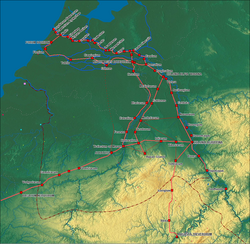
The term "Franks" likely began as a collective label during the Crisis of the Third Century (235–284 AD). During this era, Rome struggled to maintain control over Germania Inferior (the Roman province in the lower Rhine region). Pre-existing tribes, such as the Bructeri, Chattuari, and Chamavi, began to be grouped together under the Frankish name.
For centuries, these tribes lived under Roman hegemony across the Rhine. However, as Roman authority wavered, the Franks made frequent incursions into Roman territory. Despite periodic Roman efforts to reassert control in the 4th century, the Franks maintained a semi-independent existence on both sides of the river. Interestingly, the Romans often recruited Frankish soldiers, some of whom rose to high ranks within the imperial administration.
The Tetrarchy and Early Conflicts
By the late 3rd century, contemporary records explicitly mention the Franks. In 287/288 AD, the Emperor Maximian forced the Frankish king Genobaud and his people to become Roman clients. By 294 AD, Constantius Chlorus defeated Frankish groups in the Rhine-Meuse-Scheldt delta. The use of the term nationes Franciae (Frankish nations) during this time suggests that the Romans viewed the Franks not as a single tribe, but as a confederation of multiple peoples.
The Transition to Power: Merovingians and Carolingians
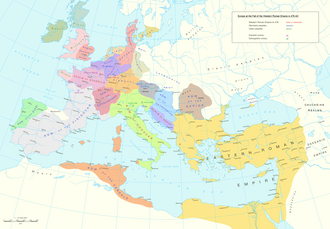
The 5th century marked a turning point as Roman administration in Britain and northern Gaul collapsed. In 406 AD, the Franks attempted to defend the Roman border against a massive crossing by Alans and Vandals. Following this, Frankish kings began dividing Germania Inferior among themselves.
The Rise of Clovis I
By the early 6th century, Clovis I, the founder of the Merovingian dynasty, united all Frankish kingdoms and the region of Gaul north of the Loire. Clovis expanded his hegemony by defeating the Kingdom of Soissons and expelling the Visigoths at the Battle of Vouillé. By 509 AD, after conquering Cologne, he became the first king of all Franks, establishing Paris as his capital.

The Carolingian Empire
Building upon the Merovingian foundation, the Carolingian dynasty eventually rose to prominence. This era reached its zenith in 800 AD when Charlemagne was crowned Emperor by the Pope, signaling the birth of a new imperial order in Western Europe.

Frankish Society and Culture
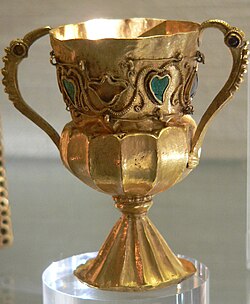
The Franks were characterized by a blend of military strength and evolving artistic expression. Their nobility were buried with lavish items, including golden ornaments and weaponry, reflecting a highly stratified society.
Military and Equipment
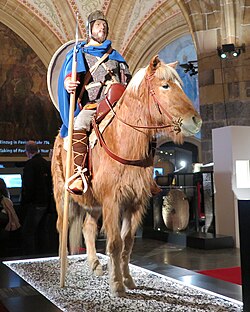
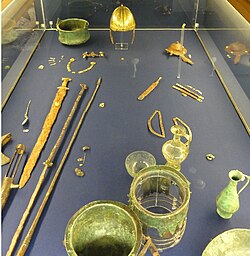
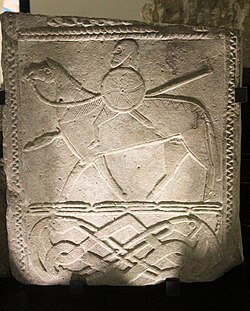
Frankish warriors were renowned for their effectiveness. Early military equipment included the spangenhelm (a helmet constructed from multiple metal plates) and the use of longswords and lances. By the Carolingian period, the image of the warrior on horseback became a symbol of their power.
Art and Material Culture
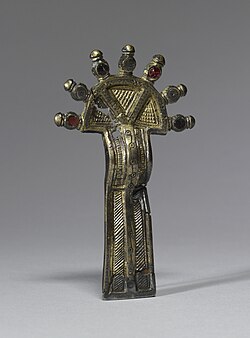
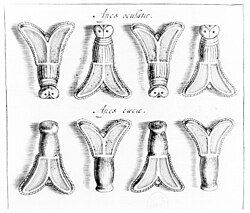
Frankish art is often identified by intricate metalwork. Noblewomen wore bow fibulae (ornamental brooches) in pairs at the shoulder or as belt ornaments. The discovery of golden bees or flies in the tomb of Childeric I further illustrates the sophistication of their jewelry and royal regalia.
The transition to Christianity also brought new forms of art and architecture, such as the Palatine chapel in Aachen and the production of illuminated manuscripts like the Gelasian Sacramentary.

Summary of Frankish Evolution
| Period | Political Status | Key Figures/Groups | Primary Region |
|---|---|---|---|
| 3rd - 4th Century | Confederation of Tribes / Roman Clients | Bructeri, Chattuari, Chamavi | Lower Rhine / Germania Inferior |
| 5th - 6th Century | Unifying Kingdoms (Merovingian) | Clovis I, Childeric | Northern Gaul / Paris |
| 8th - 10th Century | Imperial Empire (Carolingian) | Charlemagne | Western & Central Europe |
Frequently Asked Questions
Who were the Franks originally?
The Franks were originally a group of Germanic tribes, including the Bructeri and Chattuari, who lived near the Rhine River in the 3rd century AD.
What was the significance of Clovis I?
Clovis I was the founder of the Merovingian dynasty. He is significant for uniting the various Frankish kingdoms and establishing hegemony over most of Gaul, making Paris his capital.
How did the Carolingians differ from the Merovingians?
While the Merovingians established the initial Frankish kingdom in Gaul, the Carolingians expanded this territory into a vast empire, culminating in Charlemagne being crowned Emperor of the West in 800 AD.
What was a spangenhelm?
A spangenhelm was a type of helmet constructed from several metal plates joined by bands, commonly used by Frankish warriors and leaders.
What role did the Romans play in Frankish history?
The Romans initially viewed the Franks as barbarians and enemies, but later entered into agreements with them, recruiting Frankish soldiers into the Roman army and establishing client-state relationships.