The Episcopal Church
The Episcopal Church is a Protestant denomination within the Anglican Communion, serving as the primary representative of Anglicanism in the United States. With a history rooted in the Church of England, it blends traditional liturgical worship with a diverse range of theological perspectives, from Evangelical to Anglo-Catholic. Known for its inclusive slogan, "The Episcopal Church Welcomes You," the denomination operates across the USA and maintains a presence in Taiwan, Cuba, Honduras, Ecuador, Venezuela, and parts of Europe.
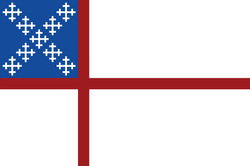
Key Facts
- Origin: Established in 1785, branching from the Church of England.
- Membership: 1,547,779 active baptized members as of 2023.
- Governance: Unitary episcopal polity led by a Presiding Bishop.
- Liturgy: Guided by the 1979 Book of Common Prayer.
- Structure: Comprised of 9 provinces, 106 dioceses, and 6,707 parishes (2024).
- Ecumenical Status: Maintains full communion with various bodies, including the ELCA and the Union of Utrecht.
Historical Evolution
Colonial and Revolutionary Eras
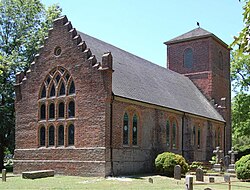
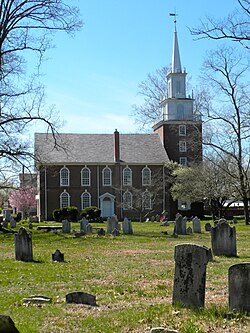
The roots of the church trace back to the colonial era, where Anglicanism was established in the American colonies. Early structures like St. Luke's Church in Virginia stand as testaments to this period, being the oldest Anglican church-building to survive largely intact in North America.
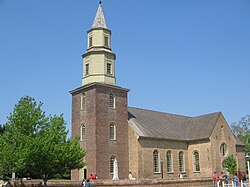
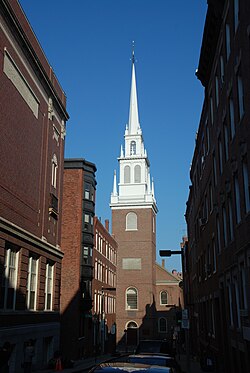
During the Revolutionary era and the early Republic, the church transitioned from its ties to the English crown to become an independent body, formally organizing in 1785. This period saw the establishment of landmark parishes such as Bruton Parish Church and the Old North Church in Boston.
19th Century and Expansion
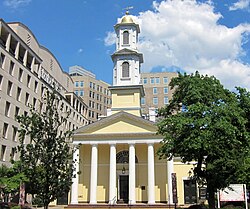
The 1800s were marked by growth and internal tension. The church expanded its reach across the growing United States, establishing influential congregations like St. John's in Washington, D.C., often called the "Church of the Presidents." However, the era also saw separations, such as the formation of the Protestant Episcopal Church in the Confederate States of America (PECSA) in 1861, though PECSA was later absorbed back into the main body in 1865.
Modern Era and Social Change
From the late 1950s through the 1970s, the church entered an era of significant change. This included the adoption of a revised prayer book and the landmark decision to ordain women. In more recent decades, the church has navigated complex issues regarding LGBT rights, including the ordination of gay bishops and the blessing of same-sex marriages.
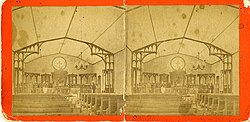
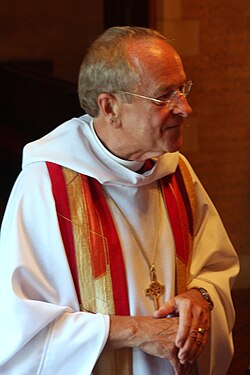
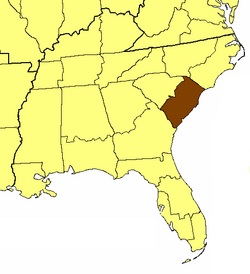
These shifts led to several separations and property disputes, with some members and parishes—such as those from the Diocese of South Carolina in 2012—leaving to join the Anglican Church in North America (ACNA).
Structure and Governance
Polity and Leadership
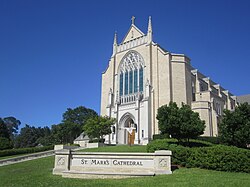
The church utilizes an episcopal polity, meaning it is governed by bishops. The current Presiding Bishop is Sean W. Rowe, supported by the President of the House of Deputies, Julia Ayala Harris. The governance is unitary, coordinating the activities of its numerous dioceses and parishes.

Worship and Liturgy
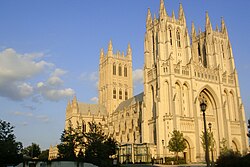
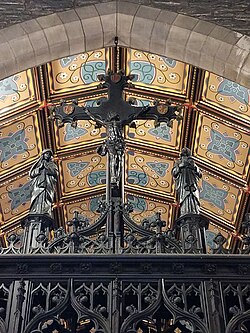
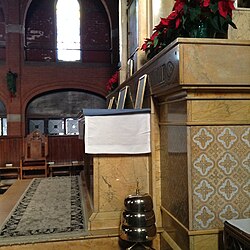
Worship is centered on the 1979 Book of Common Prayer. Congregations often identify as either High Church (emphasizing ritual, tradition, and Anglo-Catholic elements) or Low Church (emphasizing simplicity and Evangelical leanings).
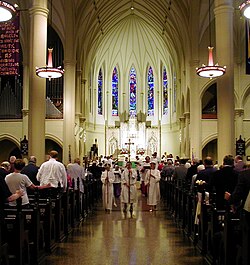
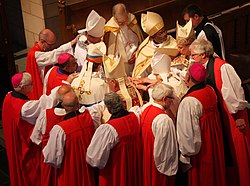
The process of episcopal consecration—the appointment of a bishop—is marked by the traditional laying on of hands.
Beliefs and Social Advocacy
The Episcopal Church is known for its active engagement in social and political issues. The church has passed resolutions and advocated for policies regarding:
- Human Rights: Racial equality, marriage equality, and the removal of racism from national life.
- Social Welfare: Affordable housing, a living wage, and healthcare access.
- Ethics: Positions on abortion, capital punishment, and euthanasia.
- Science: Acceptance of evolution and advocacy for vaccination mandates.
- Environment: Addressing climate change.
Ecumenical Relations
The church maintains full communion (the mutual recognition of sacraments and ministry) with several other Christian bodies. This includes the Evangelical Lutheran Church in America (ELCA), the Moravian Church, and the Philippine Independent Church, among others.
| Category | Details |
|---|---|
| Classification | Protestant / Anglican |
| Active Members (2023) | 1,547,779 |
| Primary Region | United States |
| Governance | Unitary Episcopal |
| Key Liturgical Text | 1979 Book of Common Prayer |
| Aid Organization | Episcopal Relief and Development |
Frequently Asked Questions
What is the difference between High Church and Low Church?
High Church refers to a style of worship that emphasizes formal ritual, liturgy, and often Anglo-Catholic traditions. Low Church emphasizes a simpler, more Evangelical approach to worship and theology.
How is the Episcopal Church related to the Church of England?
The Episcopal Church branched from the Church of England following the American Revolution, eventually becoming an independent province within the global Anglican Communion.
What does "full communion" mean in this context?
Full communion is a formal agreement between two different Christian denominations to recognize each other's baptisms, ministries, and sacraments, allowing for closer cooperation and shared membership.
Who leads the Episcopal Church?
The church is led by the Presiding Bishop, who serves as the chief pastor and primate of the denomination.
How does the church define its membership?
Since 1986, the church has used a revised definition of membership that counts only active baptized members, rather than all baptized individuals.