The British Invasion: How the Beatles and UK Rock Transformed American Music
In the early 1960s, a cultural seismic shift occurred that forever altered the landscape of global popular music. Known as the British Invasion, this phenomenon saw a wave of United Kingdom artists dominate the American music charts, bringing a fresh energy and a new sound to the United States. At the heart of this movement were the Beatles, whose arrival in 1964 sparked a level of hysteria and commercial success previously unseen in the rock era.
The Spark of Beatlemania
The road to the British Invasion began with a series of unexpected events. On January 3, 1964, The Jack Paar Program aired Beatles concert footage from the BBC. Though intended as a joke, the segment attracted 30 million viewers, piquing the curiosity of American youth. Shortly after, the single "I Want to Hold Your Hand" surged to the top of nearly every US top forty music survey.
By February 1964, the phenomenon had a name. Walter Cronkite of the CBS Evening News famously referred to the arrival of the group as "Beatlemania." The impact was immediate and overwhelming, as the "Fab Four" captured the imagination of a generation.
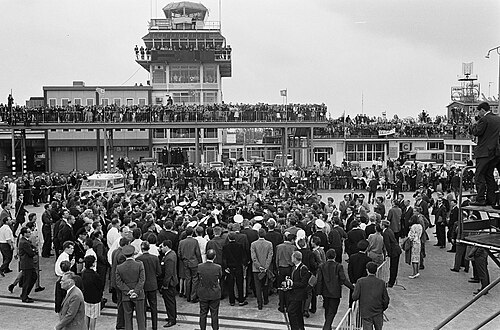
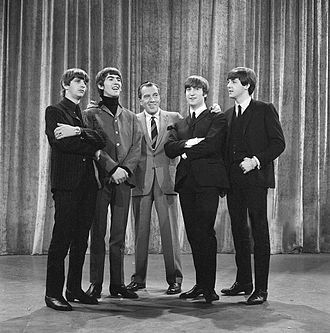
The commercial dominance of the Beatles was unprecedented. From February 1 to May 2, 1964, they held the number one spot on the Billboard Hot 100 for fourteen consecutive weeks. On April 4, 1964, they achieved a historic feat by holding all top five positions on both the Billboard Hot 100 and the Cash Box singles charts simultaneously.
Beyond the Beatles: A Wave of British Talent
While the Beatles led the charge, they were not alone. Dusty Springfield became the next British act to hit the Hot 100, peaking at number twelve with "I Only Want to Be with You." As the movement grew, a diverse array of artists emerged, ranging from the pop-centric sounds of the Hollies and the Zombies to the harder, blues-based approach of the Rolling Stones, the Kinks, and the Dave Clark Five.
By May 1965, the British Commonwealth's influence reached its peak. On May 8, British acts occupied eight of the top nine positions on the Hot 100. Throughout 1965, British artists claimed the number one position for 28 out of 52 weeks of the year.
| Metric | Detail/Achievement |
|---|---|
| Primary Era | 1963–1966 |
| Beatles' Chart Record | Held top 5 Billboard positions simultaneously (April 4, 1964) |
| 1965 Chart Dominance | British acts held #1 for 28 of 52 weeks |
| Key Genres Introduced | Pop-rock, Blues-based rock, Progressive rock |
Key Facts
- The British Invasion began in earnest with the Beatles' arrival in the US in 1964.
- The Beatles held the #1 spot on the Hot 100 for 14 straight weeks and the Cash Box chart for 16 straight weeks in early 1964.
- By April 17, 1965, British acts accounted for 30 records in the Hot 100.
- The movement established the rock group (centered on guitars and drums) as the primary musical unit.
- The trend of British artists appearing on the Hot 100 continued weekly from November 2, 1963, until April 20, 2002.
Impact on American Music and Culture
The British Invasion did more than just change the charts; it internationalized the production of rock and roll and established the UK as a center of musical creativity. However, this success came at the expense of several existing American genres. The popularity of instrumental surf music, pre-Motown girl groups, and teenage tragedy songs declined sharply.
Established American stars like Elvis Presley, Ricky Nelson, and the Everly Brothers saw their chart success temporarily derailed. While some, like Presley, eventually recovered, others suffered permanent career damage. Analysis by Ken Barnes suggests that while 20% of top US acts of 1963 suffered fatal career damage, 24% (such as the Beach Boys and the Four Seasons) continued to thrive.
Stylistically, the Invasion cemented the role of the singer-songwriter and the self-contained band, inspiring a new generation of American garage rock bands that would shape the music of the following decade.
The Aftermath and Subsequent Waves
By March 1969, the first wave of the British Invasion began to wane, partially superseded by a "Canadian Invasion" featuring acts like Gordon Lightfoot and Anne Murray. Despite this, British music remained influential. In the 1970s, British progressive rock found a strong following among the American working class.
The influence returned in waves: the "Second British Invasion" of the early 1980s was driven by the rise of music videos, and another surge occurred in the mid-1990s with the success of Oasis, Blur, and the Spice Girls. The era of consistent British presence on the Hot 100 finally ended in April 2002, when for the first time in nearly 40 years, no British artists appeared on the chart.
Frequently Asked Questions
What exactly was the British Invasion?
The British Invasion was a cultural phenomenon in the mid-1960s when rock and pop music acts from the United Kingdom became exceptionally popular in the United States, led by the massive success of the Beatles.
Did the British Invasion destroy American music?
Not entirely. While it eclipsed certain genres like surf music and some teen idols, many American acts like the Beach Boys continued to succeed, and others, such as Elvis Presley, eventually made comebacks.
Which bands besides the Beatles were part of the movement?
Key artists included the Rolling Stones, the Kinks, the Dave Clark Five, the Hollies, and the Zombies, as well as solo artists like Dusty Springfield.
How did the British Invasion change the structure of bands?
It cemented the primacy of the rock group—typically consisting of guitars and drums—where the members acted as singer-songwriters who produced their own original material.
When did the influence of British artists on the US charts finally dip?
While British music remained popular for decades, a notable milestone occurred on April 27, 2002, when no British artists appeared on the Billboard Hot 100 for that week.