Textiles: From Natural Fibres to Advanced Technical Fabrics
Textile is an umbrella term encompassing a vast array of fibre-based materials, including individual fibres, yarns, filaments, threads, and various types of fabric. While many people associate textiles primarily with clothing, they are essential to countless applications, ranging from simple daily attire to high-performance gear like spacesuits, bulletproof jackets, and medical gowns.
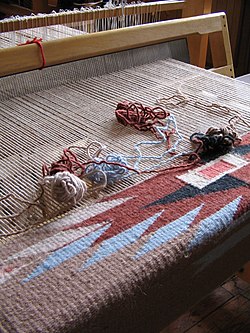
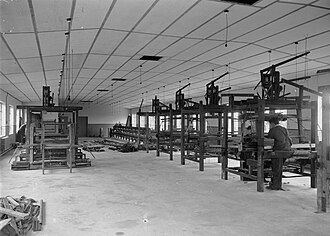
The creation of textiles involves transforming raw fibres into structured materials. While weaving is one of the most traditional methods, modern industry utilizes a variety of manufacturing techniques—including knitting and non-woven processes—to tailor fabrics for specific functional or aesthetic needs.
Key Facts
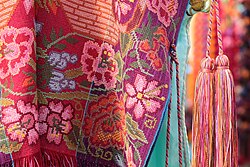
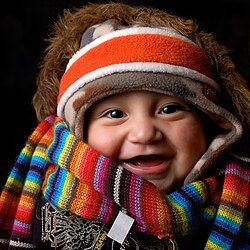
- Consumer Textiles prioritize aesthetics and comfort for domestic use, such as clothing and bedding.
- Technical Textiles prioritize functional performance, including safety, protection, and durability.
- Durability varies by material; common cotton or blend garments like t-shirts can last twenty years or more with proper care.
- Global Trade is dominated by major exporters, with China leading the market, followed by India, Italy, Germany, and Bangladesh (as of 2013).
- Fabric Weight is measured in GSM (grams per square metre), which determines the material's suitability for different products.
Types of Textiles
Consumer Textiles
These are materials designed for domestic purposes. The primary focus is on how the fabric feels against the skin and how it looks. Examples include apparel, home furnishings, and bedding.
Technical Textiles
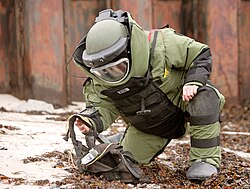
Technical textiles are engineered for specific functional properties rather than appearance. This branch of the industry focuses on protection, safety, and performance. Key categories include:
- Agro-textiles: Used in agriculture.
- Geotextiles: Used in civil engineering and soil stabilization.
- Medical textiles: Used for healthcare, such as surgical gowns.
- Automotive textiles: Used in vehicle interiors and safety systems.
- Indutech: Industrial applications.
Fibre Sources and Composition
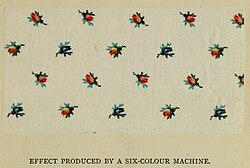
Every textile begins with a fibre. These are categorized based on their origin into three primary groups: natural, synthetic, and semi-synthetic.
Natural Fibres
Natural fibres are derived from plants, animals, minerals, or microbes. Examples include:
- Cellulosic (Plant): Cotton, linen, jute, hemp, and bamboo.
- Protein (Animal): Wool and silk.
- Mineral: Asbestos and glass fibre.
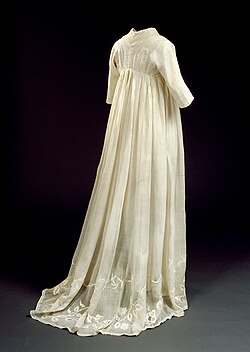
Synthetic and Semi-Synthetic Fibres
These are man-made materials designed for specific properties like elasticity or strength. Petroleum-based synthetics include nylon, polyester, acrylic, and spandex. Cellulose-based semi-synthetics include rayon, acetate, and triacetate.
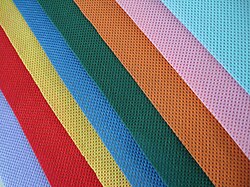
Manufacturing Methods
The method used to construct a textile determines its strength, stretch, and texture. Common production methods include:
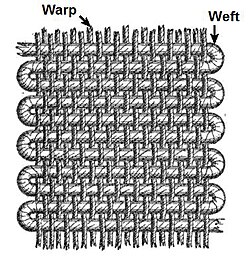
- Weaving: Interlacing longitudinal yarns (warp) with weft yarns.
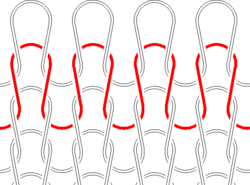
- Knitting: Creating loops of yarn, such as the stockinette stitch.
- Nonwoven: Bonding fibres together chemically or mechanically without weaving or knitting.
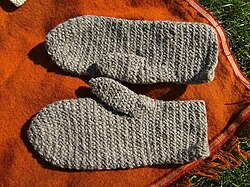
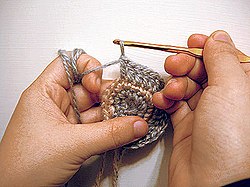
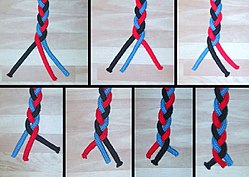
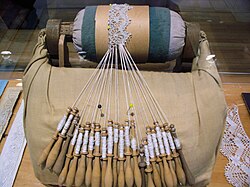
- Specialized Techniques: These include nålebinding, crocheting, braiding, knotting, and lace making.
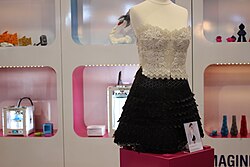
- 3D Textiles: Modern additive manufacturing used to create textile-like structures.
Fabric Weight and Selection
Professionals use GSM (grams per square metre) to categorize fabrics and determine their end-use.
| GSM Range | Categorization | Common Applications |
|---|---|---|
| 0–50 | Sheer fabric | Lingerie, wedding dresses, sheer curtains |
| 50–150 | Light weight | Shirts, t-shirts, blouses, linings |
| 150–300 | Medium weight | Trousers, skirts, denims, suits |
| 300–600 | Medium to heavy weight | Overcoats, towels, workwear, drapery |
| 600+ | Heavy | Carpets, upholstery, winter coats |
Environmental and Health Considerations
The textile industry utilizes various chemicals to achieve specific finishes, some of which pose risks to human health and the environment.
- PFOA and Teflon: Used for hydrophobic (water-repellent) effects but act as endocrine disruptors.
- Fluorocarbons (PFC): Provide water resistance but may cause respiratory illness.
- Brominated Flame Retardants: Used for fire safety but are persistent, bioaccumulative, and may cause neurobehavioral disorders.
- Silver Nanoparticles: Used for antimicrobial properties but can lead to antimicrobial resistance and toxic environmental effects.
Frequently Asked Questions
What is the difference between a consumer textile and a technical textile?
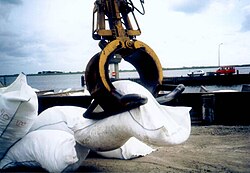
Consumer textiles are designed for domestic use, focusing on aesthetics and comfort (e.g., a t-shirt). Technical textiles are engineered for specific functional performance, such as safety or protection (e.g., a geotextile bag or a spacesuit).
What does GSM stand for in textiles?
GSM stands for grams per square metre. It is a measure of the fabric's weight and density, which helps determine if a fabric is sheer, lightweight, medium, or heavy.
What are the main types of natural fibres?
Natural fibres are divided into cellulosic fibres from plants (like cotton and linen), protein fibres from animals (like wool and silk), and mineral fibres (like glass fibre).
How is a woven fabric different from a knitted fabric?
Woven fabrics are created by interlacing two sets of yarns (warp and weft) at right angles. Knitted fabrics are created by interlocking loops of yarn, which generally provides more stretch than woven materials.