Teton County, Wyoming: A Landscape of Natural Wonders and Economic Extremes
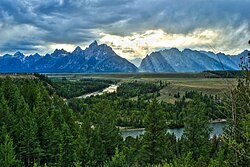
Nestled in the rugged beauty of the American West, Teton County, Wyoming, is a region defined by its breathtaking scenery and unique socio-economic profile. From the jagged peaks of the Teton Range to the vast expanses of Yellowstone National Park, this county offers a landscape unlike any other in the United States. While it is home to the bustling town of Jackson, the county's identity is deeply intertwined with the protected wilderness that surrounds it.
Geography and Protected Wilderness
Teton County covers a total area of 4,216 square miles, with 3,995 square miles consisting of land and 221 square miles of water. This significant water component, making up 5.2% of the county, is largely driven by its inclusion in major national landmarks.
The county is a sanctuary for biodiversity and natural beauty, containing several major protected areas:
- Grand Teton National Park: The county encompasses the entirety of this iconic park.
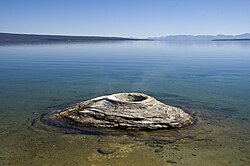
- Yellowstone National Park: Teton County contains 40.4% of Yellowstone's total area and over 96.6% of its water area, including much of Yellowstone Lake.
- National Elk Refuge: A vital habitat for migratory wildlife.
- National Forests: Portions of the Bridger-Teton, Caribou-Targhee, and Shoshone National Forests are located within the county.
- John D. Rockefeller Memorial Parkway: A scenic route connecting key natural sites.
History and Governance
The origins of Teton County date back to the early 20th century. It was officially authorized on February 15, 1921, and organized in 1922, having been carved out of a portion of Lincoln County. The creation of the county was necessitated by the distance residents had to travel to reach the previous county seat in Kemmerer. Because the area initially lacked the population and wealth required by standard regulations, a special act of the Wyoming Legislature was required to establish it. The county was named in honor of the Teton Range.
Demographics and Community
As of the 2020 census, Teton County had a population of 23,331. The community is centered around its county seat, Jackson, which serves as the largest town in the region. Other notable communities include census-designated places such as Alta, Wilson, Teton Village, and Hoback, as well as unincorporated areas like Moose and Moran.
The population has seen steady growth over the decades, rising from just over 2,000 residents in 1930 to an estimated 23,333 by 2025. The demographic makeup is predominantly White (82.3% as of 2020), with a significant Hispanic or Latino population comprising 14.1% of residents. The median age in the county is approximately 40 years.
Economic Profile and Real Estate
Teton County is recognized as one of the highest-income counties in the United States. A 2019 report highlighted that the county boasted the highest average per capita income in the nation, reaching $252,000. This economic strength is partly attributed to the presence of high-net-worth individuals in the Jackson Hole area.
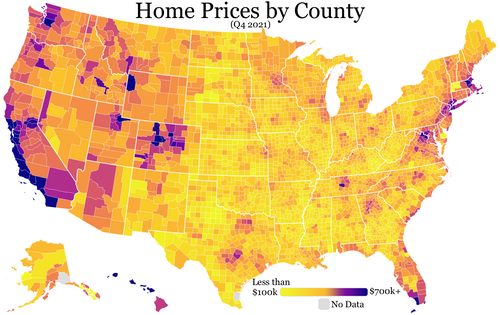
This wealth is reflected in the local real estate market. As of the fourth quarter of 2021, the median home price in Teton County reached $1,060,093, representing a 17.8% increase from the previous year.
Key Facts
- County Seat: Jackson, Wyoming.
- Total Area: 4,216 sq mi (including 221 sq mi of water).
- Major Landmarks: Grand Teton National Park and a large portion of Yellowstone National Park.
- Economic Status: One of the highest per capita income counties in the U.S.
- Median Home Price (2021): $1,060,093.
- Population (2020 Census): 23,331.
Summary of Teton County Statistics
| Category | Data Point |
|---|---|
| Total Area | 4,216 sq mi |
| Land Area | 3,995 sq mi |
| Water Area | 221 sq mi |
| 2020 Population | 23,331 |
| Median Age (2020) | 40.0 years |
| Median Household Income (2010) | $70,271 |
Frequently Asked Questions
What major national parks are located in Teton County?
Teton County contains all of Grand Teton National Park and approximately 40.4% of Yellowstone National Park.
Why was Teton County created?
It was created in 1921 because residents lived too far from the Lincoln County seat in Kemmerer. A special act of the Wyoming Legislature was required due to the area's low population and wealth at the time.
What is the economic significance of Jackson Hole?
Jackson Hole is part of a region known for extremely high incomes. In 2019, Teton County was reported to have the highest average per capita income in the United States.
Is Teton County a Republican or Democratic stronghold?
While Wyoming is generally a Republican state, Teton County has become a Democratic stronghold, particularly in presidential elections, due to shifts in population demographics.
What is the median home price in the county?
As of the end of 2021, the median home price in Teton County was $1,060,093.