Frank and John Craighead: The Twin Pioneers of Grizzly Biology and Falconry
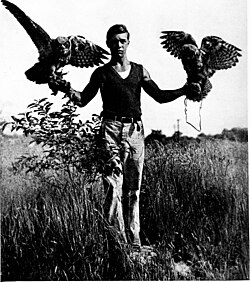
In the annals of American conservation, few names resonate with as much grit and scientific dedication as Frank and John Craighead. These twin brothers, born in Washington, D.C., in 1916, dedicated their lives to understanding the complex behaviors of the natural world. From the delicate art of falconry—the ancient practice of hunting with birds of prey—to the rugged, high-stakes study of grizzly bears in Yellowstone, their work fundamentally changed how we perceive and protect wilderness.
Their journey began not in a laboratory, but along the banks of the Potomac River, where they spent their youth collecting plants and animals. This early curiosity blossomed into a lifelong pursuit of field ecology, eventually leading them to become some of the most respected naturalists of the 20th century.
Key Facts
- Specializations: Falconry, grizzly bear biology, and wildlife management.
- Major Achievement: Pioneered radio tracking and satellite studies of grizzly bears.
- Recognition: Named among the top 100 conservationists of the 20th century by the National Audubon Society.
- Legislative Impact: Their advocacy contributed to the signing of the National Wild and Scenic Rivers Act of 1965.
- Academic Background: Both held Ph.D.s in wildlife management from the University of Michigan.
Early Life and Academic Foundations
The Craighead brothers were raised in an environment steeped in naturalism. Their father, Frank Craighead Sr., was an environmentalist, and their mother, Carolyn Jackson Craighead, was a biological technician. This familial influence was shared by their sister, Jean Craighead George, who became a celebrated author of nature-themed children's books like My Side of the Mountain.
The brothers' formal scientific training took place at the University of Michigan, where they earned their master's and Ph.D. degrees in 1949. Their doctoral dissertations focused on raptors, titled "Hawks, Owls and Wildlife." This academic rigor supported their early career as writers for the National Geographic Society, where they published 14 articles between 1937 and 1976.
World War II and Survival Training
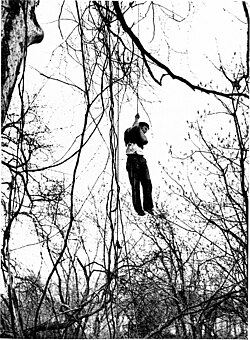
During World War II, the brothers' expertise took a unique turn. After a visit to India, where they documented traditional Indian falconry, they returned to the U.S. and worked as survival trainers. In the early 1950s, they served as survival consultants to the Strategic Air Command and organized training schools for the Air Force in Idaho.
The Grizzly Bear Studies in Yellowstone
In 1959, the brothers' paths converged for a landmark 12-year study of grizzly bears in Yellowstone National Park. At the time, grizzly populations were considered threatened by increasing human activity. The Craigheads were pioneers in several technical aspects of wildlife research, including radio tracking and the use of satellite technology to study bear habitats.
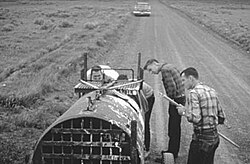
Their methodology was intensive and hands-on. They pioneered the use of tranquilization for studying bears and successfully tagged over 600 individuals during their tenure. Despite the dangers—including being chased or treed by bears—they maintained a rigorous field schedule, often living in remote locations like Moose, Wyoming.
Conflict with the National Park Service
The brothers' research was not without controversy. They observed that many bears died at a young age following human encounters. This led them to advocate for stricter enforcement of animal rules. However, in 1971, a disagreement with the National Park Service regarding management policies and contract requirements resulted in them being barred from conducting further work within the park. Undeterred, they continued their vital research in the Scapegoat Wilderness and other parts of Montana.
Conservation Legacy and Environmental Advocacy
Beyond direct animal research, the Craigheads were fierce advocates for landscape preservation. In 1955, they established the Craighead Environmental Research Institute to protect wildlife and wilderness. Their efforts to educate the public on the importance of clean water and healthy river systems played a significant role in the passage of the National Wild and Scenic Rivers Act of 1965.
| Feature | Frank Craighead | John Craighead |
|---|---|---|
| Born | August 14, 1916 | August 14, 1916 |
| Died | October 21, 2001 (Age 85) | September 18, 2016 (Age 100) |
| Primary Location | Jackson, Wyoming | Missoula, Montana |
| Key Award | Top 100 Conservationists (Audubon) | Aldo Leopold Memorial Award |
Frequently Asked Questions
What was the Craighead brothers' most significant contribution to wildlife science?
Their most significant contribution was their pioneering work in the radio tracking and satellite study of grizzly bears, which provided unprecedented data on bear movement and habitat needs.
Why did the Craigheads stop working in Yellowstone?
In 1971, a disagreement with the National Park Service regarding management strategies and a new contract clause led to them being barred from conducting further research within the park boundaries.
How did they influence river conservation?
Through the Craighead Environmental Research Institute, they educated the public on the necessity of preserving rivers, which helped pave the way for the National Wild and Scenic Rivers Act of 1965.
What was their connection to National Geographic?
The brothers were prolific contributors to National Geographic, writing a total of 14 articles about birds of prey and wildlife adventures between 1937 and 1976.
Did they have any family members in the field of science?
Yes, their sister, Jean Craighead George, was a well-known author of nature-themed books, including the Newbery Award winner Julie of the Wolves.