Teaching Hospitals: Bridging Medical Education and Patient Care
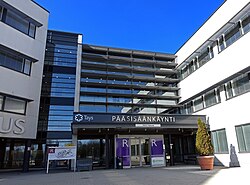
A teaching hospital, also known as a university hospital, is a medical center that serves a dual purpose: providing high-quality healthcare to patients while offering essential medical education and training to current and future health professionals. These institutions are almost always affiliated with one or more universities and are frequently co-located with medical schools to create a seamless transition from classroom theory to clinical practice.
The primary mechanism for this education is the residency program. These programs allow qualified professionals—including physicians, podiatrists, dentists, and pharmacists—to refine their skills after earning their professional degrees (such as an MD, DO, PharmD, or MBBS). Under the supervision of senior clinicians, trainees learn to practice medicine in a safe, monitored environment that balances patient safety with educational growth.
Key Facts
- Dual Mission: Teaching hospitals combine patient care with the professional training of healthcare providers.
- Supervised Learning: Trainees practice under the oversight of attending physicians or consultants to ensure patient safety.
- Research Hubs: Due to university affiliations, these hospitals are often centers for cutting-edge medical research.
- Global Presence: While models vary by country, teaching hospitals exist worldwide, from the CHUs of France to the academic centers of the US.
- Diverse Training: Education extends beyond doctors to include physician assistants, nurses, and pharmacists.
The Evolution of Medical Training
The concept of methodical bedside instruction is not new. The Academy of Gundishapur in the Persian Empire during the Sassanid era is reported as the first teaching hospital where students practiced on patients under supervision. This tradition continued with the Islamic Bimaristans, such as the Al-Fustat Hospital in Cairo (founded 872) and the Al-Adudi Hospital in Baghdad (founded 981).
In the United States, the first teaching hospital was established at the College of Philadelphia (now the University of Pennsylvania) in 1765. By the early 1900s, the US model evolved into large, technologically advanced centers—exemplified by Johns Hopkins University—that aimed for global impact through combined scientific research and patient care.
Understanding the Hierarchy of Medical Education
Medical training involves a structured progression of roles and responsibilities. While terminology varies by region, the following definitions are standard:
Students and Early Trainees
- Medical Student: A person enrolled in a medical degree program. In the US, this follows an undergraduate degree (graduate model), whereas in the UK and Australia, students often enter directly from high school (undergraduate model).
- Intern: A doctor who has earned their degree but practices only under the direct guidance of a senior physician.
- Physician Assistant: Master's-level professionals trained to practice medicine alongside physicians, a role most common in North America.
Advanced Training and Specialization
- Resident: In the US and Canada, a doctor who has completed their internship and is undergoing specialty training, which can last between two and seven years.
- Specialist Registrar: The Commonwealth equivalent of a resident, receiving advanced training before becoming a consultant.
- Fellow: A physician who pursues further sub-specialty training after completing a residency.
Supervisory Roles
- Attending Physician: (US/Canada) A physician who has completed all training and supervises residents and students.
- Consultant: The Commonwealth equivalent of an attending physician.
![Jackson Memorial Hospital in Miami's Health District, the primary teaching hospital for the University of Miami's Miller School of Medicine and the largest hospital in the United States with 1,547 beds[22]](/images/e4/7f/e47f795bed29325cc06023d82af51180a05bb4aaca3bdca7d784d3421526b922.jpg)
Educational Methodologies and Facilities
Teaching hospitals employ specific methods to ensure knowledge is shared effectively across the staff:
- Grand Rounds: A traditional educational session where a patient's medical problems and treatments are presented to an audience of doctors, pharmacists, and students.
- Teaching Clinics: Outpatient facilities that provide care for ambulatory patients, often offering low-cost or free services.
- Nurse Education: Partnerships with nursing institutions to provide practical, in-hospital training for both undergraduate and graduate nurses.

Global Perspectives on Teaching Hospitals
Different regions organize their academic medical centers based on national health structures.
Europe and Africa
In France, teaching hospitals are known as CHU (Centre hospitalier universitaire). These are regional hubs with agreements with universities; for example, the Greater Paris University Hospitals (AP-HP) system coordinates with five major universities. In Algeria, the Ministry of Health maintains 15 public CHUs and one public university hospital (EHU). In South Africa, the Chris Hani Baragwanath Hospital stands as one of the world's largest teaching hospitals.

Asia and Oceania
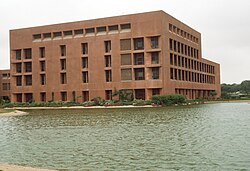
In Pakistan, the Aga Khan University Hospital serves as a major training hub for doctors and administrators, coordinating a network of over 100 rural healthcare units. In Turkey, teaching hospitals (EAH) are operated by the Ministry of Health, while university-owned centers are classified as Health Application and Research Centers (SUAM). Australia's first teaching hospital, Royal Prince Alfred Hospital, was established in 1928 to educate University of Sydney students.
Research and Institutional Impact
The synergy between medical colleges and hospitals fosters significant scientific advancement. Many of the world's most renowned medical centers are teaching hospitals, including the Mayo Clinic, Johns Hopkins Hospital, and Charité in Berlin. These institutions often justify higher procedural costs by providing a higher quality of care and advancing the future of medicine through research.
| Role | Region | Training Stage | Supervision Level |
|---|---|---|---|
| Intern | Global | Post-Degree / Year 1 | High |
| Resident | North America | Post-Internship | Moderate |
| Specialist Registrar | Commonwealth | Advanced Specialty | Moderate |
| Fellow | North America | Sub-Specialty | Low |
| Attending / Consultant | Global | Fully Qualified | Supervisor |
Frequently Asked Questions
What is the difference between a teaching hospital and a community hospital?
A teaching hospital is affiliated with a university and focuses on training new medical professionals and conducting research, whereas a community hospital primarily focuses on providing direct patient care to the local population without a formal educational mandate.
Is care better at a teaching hospital?
Teaching hospitals often argue that their quality of care is higher because they have access to the latest research, a wide array of specialists, and a culture of continuous learning and peer review.
What are "Grand Rounds"?
Grand Rounds are educational meetings where a specific patient's case is presented to a group of medical professionals to discuss diagnosis and treatment strategies, serving as a learning tool for junior staff.
How long does a medical residency typically last?
Depending on the medical specialty, a residency program in the United States and Canada typically lasts anywhere from two to seven years.
What is the role of an attending physician?
An attending physician is a fully qualified doctor who has completed all residency requirements. They are responsible for the final medical decisions for patients and supervise the training of residents, interns, and medical students.