Te Papa Tongarewa: New Zealand's National Museum
Located in the heart of Wellington, the Museum of New Zealand Te Papa Tongarewa serves as the nation's premier cultural and natural history institution. Commonly referred to as Te Papa—the Māori term for "the treasure box"—the museum is more than just a repository of artifacts; it is a dynamic space that operates under a bicultural philosophy, emphasizing the living stories and human connections behind its vast collections.
Established in 1992 and opened to the public in 1998, Te Papa was formed through the merger of the National Museum of New Zealand and the National Art Gallery. Today, it stands as one of the most visited art galleries globally, welcoming an average of over 1.1 million visitors annually, with peak attendance reaching 1.5 million in 2017.
Key Facts
- Location: Wellington, New Zealand.
- Founded: 1992 (Opened 1998).
- Philosophy: Bicultural approach focusing on living stories.
- Global Standing: Ranked as the 58th-most-visited art gallery in the world in 2023.
- Major Exhibits: Te Taiao Nature, featuring a 495kg Colossal squid.
History and Evolution
From Colonial Roots to Te Papa
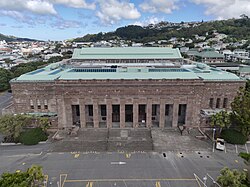
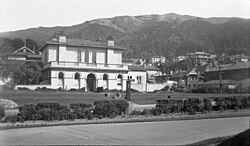
The origins of the institution trace back to the Colonial Museum, led by early directors such as Sir James Hector (1865–1903). Over the decades, the institution evolved through various iterations, including the Dominion Museum and its co-location with the National Art Gallery.
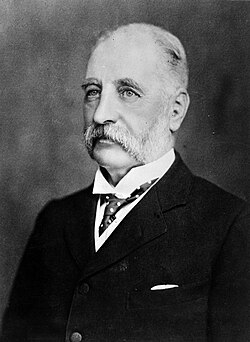
The transition to the modern Te Papa involved a significant shift in governance and vision. The museum's leadership has transitioned from traditional directors to a structure including CEOs and a Kaihautū (a Māori leadership role), currently held by Arapata Hakiwai, alongside Director Courtney Johnston.
The Modern Facility
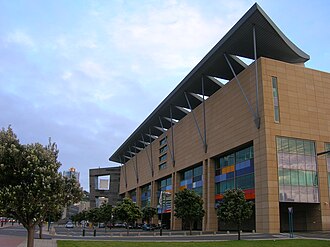
The current building is a marvel of modern architecture and engineering, designed to house a diverse array of treasures while remaining accessible to millions of visitors. The facility integrates contemporary art with historical archives, creating a seamless flow between New Zealand's past and its present.
Collections and Research
Cultural and Historical Archives
Te Papa's History Collection is vast, featuring textiles and dresses dating back to the sixteenth century. It also houses the New Zealand Post Archive, which contains approximately 20,000 stamps, and a Pacific Collection consisting of 13,000 items from across the Pacific Islands.
Natural History and Science
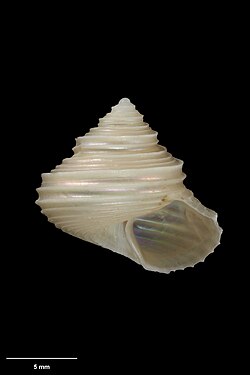
The museum is a critical hub for scientific research, maintaining a herbarium of roughly 250,000 dried specimens (coded WELT) and a collection of 70,000 New Zealand bird specimens. Its holdings also include significant records of amphibians, reptiles, mammals, fossils, and archaeozoology (the study of animal remains from archaeological sites).
Exhibitions and Innovation
Te Taiao Nature
In May 2019, Te Papa opened Te Taiao Nature, a 1,400 square-metre exhibition dedicated to New Zealand's natural environment. This exhibit replaced the previous "Mountains to Sea" and "Awesome Forces" displays. It features an earthquake house simulation and a massive 495-kilogram Colossal squid, providing an immersive look at the forces that shape the land.
Mahuki Innovation Accelerator
Beyond traditional exhibits, Te Papa hosts the Mahuki Innovation Accelerator, reflecting a modern shift toward coworking spaces and digital-era museum practices to foster creativity and innovation.
Institutional Challenges and Controversies
As a public institution dealing with complex cultural narratives, Te Papa has faced various controversies. These include disputes over the display of the William Strutt painting, protests regarding the Te Tiriti o Waitangi (Treaty of Waitangi) exhibition, and debates over the management of its scientific staff and collections.

Museum Overview
| Category | Details |
|---|---|
| Annual Visitors | 1.1 million+ (Average) |
| Key Collections | History, Pacific, Natural History, Art |
| Notable Specimen | 495kg Colossal squid |
| Bicultural Leadership | Director and Kaihautū |
| Location | Wellington, NZ |
Frequently Asked Questions
What does "Te Papa" mean?
Te Papa is a Māori term meaning "the treasure box," reflecting the museum's role as a guardian of New Zealand's cultural and natural heritage.
When did the current museum open?
The Museum of New Zealand Te Papa Tongarewa opened in 1998 following the merger of the National Museum of New Zealand and the National Art Gallery.
What is the bicultural philosophy of Te Papa?
The museum operates under a bicultural framework that gives equal importance to Māori and non-Māori perspectives, emphasizing the living stories behind the objects in its collection.
What can visitors see in the Te Taiao Nature exhibit?
Visitors can explore New Zealand's natural environment through a 1,400 square-metre space that includes an earthquake house simulation and a 495kg Colossal squid.
How many bird specimens are in the collection?
Te Papa maintains a collection of approximately 70,000 New Zealand bird specimens.