Tate Gallery: The Evolution of Britain's Modern Art Institutions
The story of the Tate is one of continuous expansion, evolving from a single vision of national pride into a global network of galleries. What began as a dedicated space for Victorian art has transformed into a multifaceted institution that bridges the gap between historical British works and the cutting edge of international contemporary art.
The Foundations of the National Gallery of British Art
The concept of a national gallery dedicated to British art was first proposed in the 1820s by Sir John Leicester, Baron de Tabley. This vision gained momentum through significant private donations, including Robert Vernon's collection in 1847 and John Sheepshanks' contribution to the South Kensington Museum (now the Victoria & Albert Museum) a decade later.
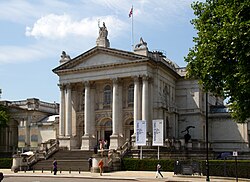
The institution we recognize today took shape when Sir Henry Tate, a sugar magnate and collector of Victorian art, offered to fund the construction of a gallery. His condition was that the State provide the site and cover revenue costs. Sir Henry Tate also donated his personal collection, focusing on modern British art—which, at the time, referred specifically to the Victorian era. The gallery was located on Millbank, Pimlico, London, on the site of the former Millbank Prison, and remained under the control of the National Gallery until 1954.
Expansion and International Influence
The Tate's scope expanded unexpectedly in 1915 following the sinking of the RMS Lusitania. Due to an oversight in the will of Sir Hugh Lane, a collection of European modern art intended for Dublin was instead granted to the Tate. This pivotal event shifted the gallery's trajectory, prompting it to acquire more foreign and contemporary art.
Throughout the early 20th century, the gallery grew through the generosity of patrons. Art dealer Joseph Duveen funded two major expansions in 1926 and 1937, while his father had previously funded an extension for the Turner Bequest (a significant collection of works by J.M.W. Turner). Later, Henry Courtauld provided a purchase fund to further enrich the collection.
Modernization and the Clore Wing
By the mid-20th century, the Tate served a dual purpose: showcasing the history of British art and exhibiting international modernism. In the 1950s and 1960s, the Arts Council of Great Britain funded temporary exhibitions, including a 1966 retrospective of Marcel Duchamp. The gallery eventually began managing its own exhibition programs, leading to a large modern extension in 1979 funded by a Japanese bank.
In 1987, the Clore Wing opened, funded by Sir Charles Clore. This wing became the new home for the Turner Bequest and introduced a 200-seat auditorium to the facility.
The Growth of the Tate Network
As the collection grew, the Tate expanded beyond London to make art more accessible across the United Kingdom.
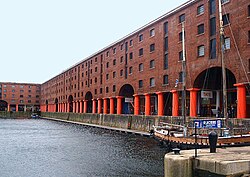
- Tate Liverpool: Opened in 1988 in north west England, this outpost displays works from the main collection and hosts temporary exhibitions. In 2007, it hosted the Turner Prize for the first time outside London, serving as a precursor to Liverpool's tenure as the 2008 European Capital of Culture.
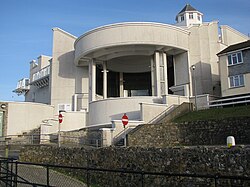
- Tate St Ives: Opened in 1993, this gallery focuses on modern British artists, specifically those associated with the St Ives School. The Tate also manages the Barbara Hepworth Museum and Sculpture Garden, which opened in 1980.
The Split: Tate Britain and Tate Modern
The increasing size of the collection eventually made the original Millbank site insufficient. To resolve this, the institution separated its "British" and "Modern" collections into two distinct London venues.
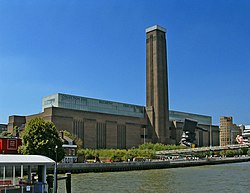
The original gallery was renamed Tate Britain, serving as the national gallery for British art from 1500 to the present. Meanwhile, Tate Modern opened in 2000, housed in the former Bankside Power Station on the south side of the Thames. Tate Modern exhibits international modern art from 1900 to the present day.
The Blavatnik Building
Tate Modern continued to evolve with a major development project to the south of its main building. This extension, which opened in 2016 as The Switch House, was designed to provide more space for installation art, performance, and learning. In 2017, it was renamed the Blavatnik Building after Sir Leonard Blavatnik, who contributed a substantial portion of the £260 million cost. The project also received over £6 million from philanthropist John Studzinski.
Key Facts
- Founder: Funded by sugar magnate Sir Henry Tate.
- Original Name: National Gallery of British Art.
- Tate Britain: Focuses on British art from 1500 to today.
- Tate Modern: Focuses on international modern art from 1900 to today.
- Regional Sites: Includes Tate Liverpool (est. 1988) and Tate St Ives (est. 1993).
- Major Addition: The Blavatnik Building (formerly The Switch House) opened in 2016.
- Notable Record: Travis Alabanza is the youngest person to be awarded a Tate residency.
| Gallery | Opened/Renamed | Primary Focus | Location |
|---|---|---|---|
| Tate Britain | Original (Renamed later) | British Art (1500–Present) | Millbank, London |
| Tate Liverpool | 1988 | Modern Art & Temporary Exhibits | Liverpool |
| Tate St Ives | 1993 | St Ives School & Modern British Art | St Ives |
| Tate Modern | 2000 | International Modern Art (1900–Present) | Bankside, London |
Frequently Asked Questions
Why was the original Tate Gallery split into two?
The original gallery's size became a constraint as the collection grew. Splitting the collection allowed the institution to separate the "British" and "Modern" aspects into two dedicated buildings: Tate Britain and Tate Modern.
How did the Tate acquire European modern art?
The collection expanded significantly after the 1915 sinking of the RMS Lusitania; an oversight in Sir Hugh Lane's will resulted in his European modern art collection going to the Tate instead of Dublin.
What is the Blavatnik Building?
The Blavatnik Building (originally called The Switch House) is a 2016 extension to Tate Modern designed to increase space for performance, installation art, and visitor learning.
What is the Turner Bequest?
The Turner Bequest is a major collection of works by J.M.W. Turner. It was originally housed in an extension funded by Joseph Duveen's father and was moved to the Clore Wing in 1987.
Which Tate gallery is located outside of London?
There are two: Tate Liverpool, which opened in 1988, and Tate St Ives, which opened in 1993.