Tartus: Syria's Strategic Mediterranean Port and Historic Coastal Hub
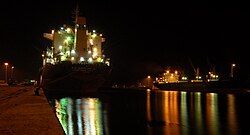
Located on the eastern shores of the Mediterranean, Tartus (also known as Tartous or historically as Tortosa) serves as one of Syria's most vital maritime gateways. As the second-largest port city in the country and the capital of the Tartus Governorate, it blends a rich archaeological heritage with modern commercial significance. From its Phoenician roots to its role as a Crusader stronghold, Tartus has remained a strategic prize for empires throughout history.
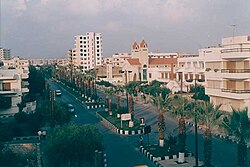
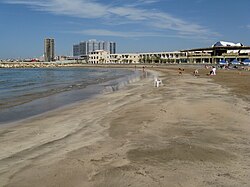
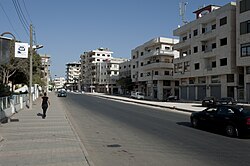
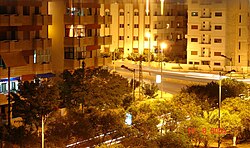
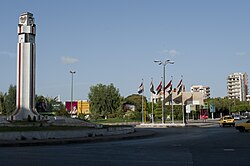
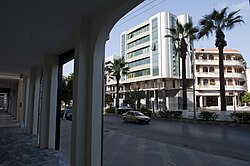
Today, the city is not only a commercial hub but also a popular summer destination for Syrians, drawn by its scenic boulevards and Mediterranean beaches.
Key Facts
- Founded: 2nd millennium BC by the Phoenicians.
- Population: Approximately 458,327 (2023 estimate).
- Geography: A coastal city with an elevation of 22 meters.
- Strategic Role: Syria's second-largest port city.
- Climate: Mediterranean climate (CSa) characterized by warm summers and rainy winters.
A Journey Through History
Phoenician and Greco-Roman Foundations
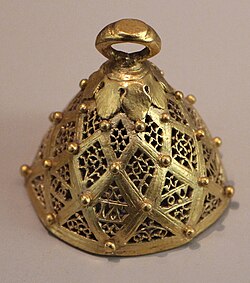
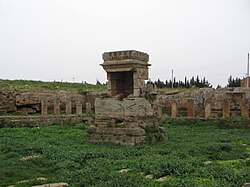
Originally established by the Phoenicians in the 2nd millennium BC, the city was known in Latin as Antaradus. During the Byzantine era, it was a significant ecclesiastical center. Historical records from the 4th to 6th centuries CE detail various bishops of Antaradus and the neighboring Aradus, reflecting the city's importance within the early Christian Orthodox church and its involvement in the theological disputes of the era.
The Crusader Era and the Knights Templar
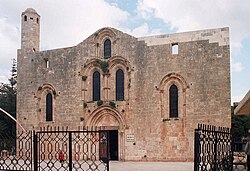
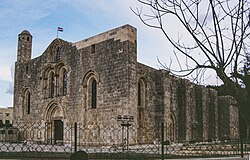
During the First Crusade in 1099, Frankish forces captured the city, which they called Antartus or Tortosa. In 1123, the Cathedral of Our Lady of Tortosa was constructed over a Byzantine church to serve as a site for pilgrims.
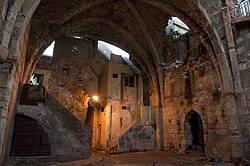
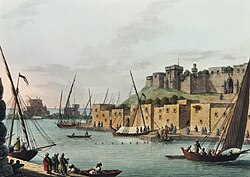
By 1152, the city was handed over to the Knights Templar, who transformed it into a military headquarters. They constructed a formidable castle around 1165, featuring a large chapel, an elaborate keep, and double concentric walls to defend against Muslim attacks. While Saladin recaptured much of the city in 1188, the Templars maintained a presence in the keep until 1291, making Tortosa the final Templar outpost on the Syrian mainland.
Ottoman Rule and Modern Transitions
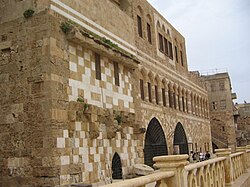
Under the Ottoman Empire, Tartus regained its prestige through trade with Europe and Cyprus. In the 19th century, it became a key coastal defense point. The city saw brief Egyptian control under Muhammad Ali Pasha in 1832 and faced British naval attacks in 1840 during the Syrian War, though the British failed to capture the citadel.
In the modern era, Tartus has remained a stronghold for the Government of Syria, though it has faced challenges, including suicide bombings in 2016. In December 2024, the city fell under the control of HTS forces following the collapse of the Bashar al-Assad government, subsequently facing heavy Israeli airstrikes targeting military facilities.
Geography and Climate
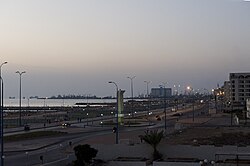
Tartus is characterized by a Mediterranean climate, featuring mild, wet winters and hot, dry summers. The city's coastal location makes it an ideal vacation spot during the warmer months.
| Month | Max Temp (°C) | Mean Temp (°C) | Min Temp (°C) | Rainfall (mm) |
|---|---|---|---|---|
| January | 15.8 | 12.0 | 8.4 | 177.5 |
| April | 21.9 | 17.6 | 12.8 | 57.1 |
| July | 29.2 | 26.0 | 22.2 | 0.7 |
| October | 26.6 | 21.9 | 16.9 | 67.6 |
| Yearly Avg | 23.3 | 19.4 | 15.1 | 884.3 |
Economy and Infrastructure
The Port of Tartus
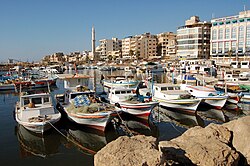
The port is the engine of the local economy. In early 2025, the Syrian government canceled a contract with the Russian company Stroytransgaz. This was followed in July 2025 by an $800 million agreement with Dubai-based DP World to redevelop the port as part of national reconstruction efforts.
Culture, Sports, and Education
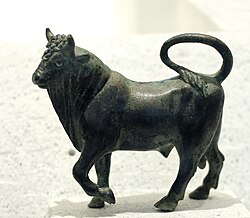
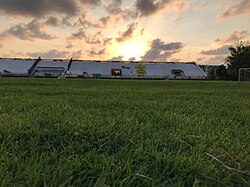
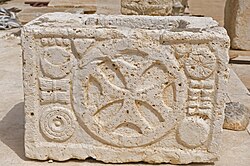
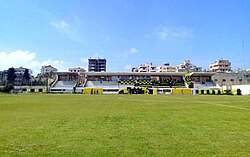
The city is home to the National Museum of Tartus, which houses artifacts from various eras, including Christian symbols and ancient bronze works. In sports, the city is represented by Al-Sahel SC, founded in 1971, which competes in football, basketball, table tennis, and bodybuilding across the Municipal and Bassel al-Assad stadiums.
Local Landmarks and Demographics
Beyond the city center, the town of Al Hamidiyah is notable for its population of approximately 3,000 Greek-speaking descendants of Ottoman Greek Muslims from Crete, who settled there in the late 19th century.
Frequently Asked Questions
Who founded the city of Tartus?
Tartus was founded by the Phoenicians during the 2nd millennium BC.
What was the role of the Knights Templar in Tartus?
The Knights Templar used Tartus as a military headquarters starting in 1152, building a massive castle and fortifications to protect the region from attacks.
What is the current status of the Tartus port?
The port is undergoing redevelopment following an $800 million deal signed in 2025 with the Dubai-based firm DP World.
Which sports club represents the city?
Al-Sahel SC is the primary sports club in Tartus, competing in multiple disciplines including football and basketball.
What is the significance of Al Hamidiyah?
Al Hamidiyah is a nearby town known for its community of Greek-speaking Muslims who are descendants of refugees from Crete.