Tabloid Newspapers: History, Formats, and Global Impact
In the world of print media, the tabloid is far more than just a size of paper; it is a versatile format that encompasses a wide range of journalistic styles, from high-brow analysis to sensationalist gossip. Characterized by a compact size that is smaller than a traditional broadsheet, the tabloid format has evolved from a pharmaceutical marketing term into a global media phenomenon.
While many associate tabloids with scandalous headlines, the modern landscape is more nuanced. Today, the distinction between a "tabloid" and a "broadsheet" often refers to the editorial approach rather than the physical dimensions of the page, as many prestigious news organizations have adopted smaller formats to better suit the needs of modern readers.

Key Facts
- Origin: The term "tabloid" was coined by the pharmaceutical company Burroughs Wellcome & Co. in the late 1880s to describe compressed pills.
- Primary Types: Tabloids are generally divided into "red tops" (sensationalist) and "compacts" (serious news in a small format).
- Physicality: Tabloids are smaller than broadsheets; the Berliner format sits between the two in size.
- Global Reach: The format is used worldwide, with significant influence in the UK, Germany, USA, and India.
- Evolution: Many former broadsheets switched to compact formats to reduce costs and improve readability for commuters.
The Etymology of the Tabloid
The word "tabloid" did not begin in a newsroom, but in a laboratory. In the late 1880s, the London-based company Burroughs Wellcome & Co. marketed compressed tablets as "Tabloid" pills. Because the term implied something condensed and concentrated, it was soon adopted by other industries. By 1901, the term was used to describe news stories that were condensed into a simplified, easily absorbed format. By 1918, the word had transitioned from describing the content to describing the physical size of the newspapers containing those stories.

Types of Tabloid Newspapers
In the United Kingdom and other Commonwealth nations, a sharp distinction is made between two types of tabloid publications based on their editorial style.
Red Top Tabloids
Named for their tradition of printing mastheads in red ink, red top tabloids utilize a style known as tabloid journalism. This approach prioritizes sensationalism, focusing on crime stories, celebrity gossip, astrology, and the private lives of sports stars. While highly popular, this style often pushes the boundaries of defamation. Examples include The Sun, the Daily Mirror, and the Daily Star.

Compact Tabloids
Compacts are essentially broadsheet newspapers in a smaller physical package. The term "compact" was coined in the 1970s—most notably by the Daily Mail—to distance these publications from the salacious connotations of red tops. These papers maintain a serious editorial tone, focusing on in-depth reporting and analysis. Many major publications, such as The Times and The Guardian, have transitioned to this format to accommodate readers in tight spaces, such as buses and trains.
Global Variations and Adoption
The tabloid format has been adapted globally to fit regional cultural and political landscapes.
Europe and the Americas
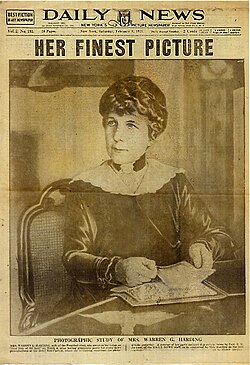
In Europe, the Berliner format (a size between tabloid and broadsheet) is common. Germany's Bild is one of Europe's largest tabloids by circulation, blending a larger size with a British-style sensationalist approach. In North America, the New York Daily News (founded in 1919) pioneered the format in the US. Canada utilizes both standard tabloid and "tall tab" formats, the latter being slightly larger than a standard tabloid but smaller than a broadsheet.
Asia and Africa
In Asia, tabloids vary from the investigative journalism of India's Tehelka to the vernacular crime and gossip papers of the Philippines. In Africa, South Africa's Daily Sun is a dominant force, catering to the working class with a mix of news, satire, and paranormal claims. In Morocco, publications like Maroc Soir have adopted the format to reach younger audiences.
Alternative Weekly Tabloids
Beyond daily news, the term "tabloid" often refers to weekly or semi-weekly alternative newspapers. These publications typically distinguish themselves by offering viewpoints independent of major media conglomerates. Often distributed for free and funded by advertising, they focus on local neighborhood issues and the arts and entertainment scene.
Summary of Newspaper Formats
| Format | Typical Size | Editorial Style | Primary Goal |
|---|---|---|---|
| Broadsheet | Large | In-depth, Analytical | Comprehensive Reporting |
| Red Top | Compact | Sensationalist, Populist | Entertainment & Gossip |
| Compact | Compact | Serious, Traditional | Convenience & Readability |
| Berliner | Medium | Varies | Hybrid Physicality |
Frequently Asked Questions
What is the difference between a red top and a compact tabloid?
The difference is primarily editorial. Red tops focus on sensationalism, celebrity gossip, and populist themes, often with red mastheads. Compacts maintain the serious, analytical reporting style of broadsheets but use a smaller physical page size for convenience.
Where did the word "tabloid" come from?
It originated from a brand of compressed pills created by the pharmaceutical company Burroughs Wellcome & Co. in the late 19th century. The term was later applied to condensed news stories and eventually to the small-format newspapers that carried them.
What is the Berliner format?
The Berliner format is a newspaper size that falls between the large broadsheet and the smaller tabloid. It is widely used across Europe and refers strictly to the physical dimensions of the paper rather than the style of journalism.
Why did many broadsheet newspapers switch to a compact format?
Many publications switched to reduce printing and distribution costs and to make the papers easier to read in crowded urban environments, such as on public transportation.
Are all tabloids sensationalist?
No. While "tabloid journalism" refers to a sensationalist style, many respected and prize-winning newspapers use the tabloid physical format while maintaining high journalistic standards, such as the compacts and various alternative weeklies.