Syriac: The Legacy of Edessan Aramaic
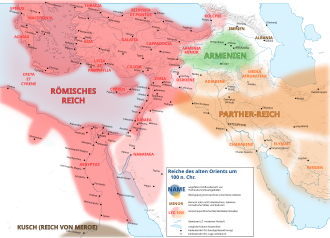
Syriac, known endonymically as Leššānā Suryāyā, is a distinguished literary dialect of Aramaic that emerged in the 1st century AD. Originating in the Kingdom of Osroene—specifically the city of Edessa—it evolved from a regional vernacular into a powerhouse of theology, philosophy, and literature across the Fertile Crescent.
While its use as a spoken daily language declined after the 13th century, Syriac remains a vital liturgical and ecclesiastical language today, serving as a bridge to the early Christian world and the broader Semitic linguistic tradition.
Key Facts
- Origins: Developed in Edessa (modern-day Turkey) during the 1st century AD.
- Family: A member of the Afro-Asiatic, Semitic, West Semitic, and Eastern Aramaic branches.
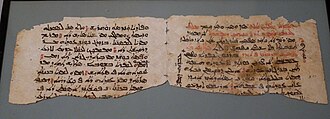
- Writing System: Uses the Syriac abjad, a consonantal alphabet.
- Current Status: Primarily used in liturgy; recognized as a minority language in Turkey and an official language in the Nineveh Plains and the Democratic Autonomous Administration of North and East Syria.
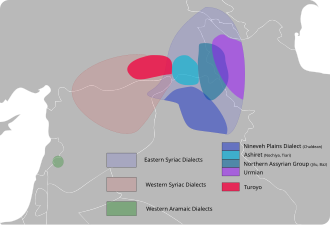
- Dialects: Divided into two primary traditions: West-Syriac and East-Syriac.
The Evolution and History of Syriac
Syriac is fundamentally a form of Edessan Aramaic. In early grammatical texts, it was referred to as mamllā Urhāyā or leššānā Urhāyā (the Edessan tongue). The term "Syriac" itself reflects a complex identity, as the language is variously called suryāyā (Syrian), aramāyā (Aramean), or urhāyā (from Urhay, the Aramaic name for Edessa).
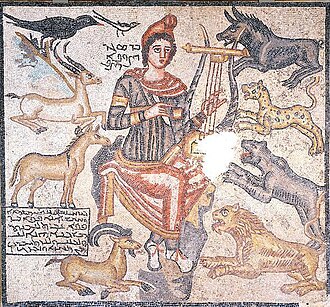
From its roots in the 1st century, Syriac became the primary vehicle for Eastern Christianity. It served as a lingua franca for scholars and clergy, facilitating the translation of Greek texts and the creation of a vast body of original literature. This intellectual flourishing continued through the late antique period and into the early Islamic era.
Geographic Distribution
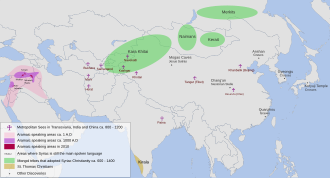
Historically, Syriac dominated the Fertile Crescent. Today, its presence is more localized. The language is now primarily limited to specific regions including the Nineveh Plains, Tur Abdin, and the Khabur plains, as well as the areas surrounding Mosul, Erbil, and Kirkuk.
Linguistic Structure and Phonology
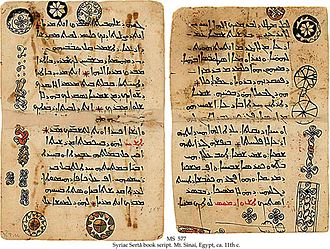
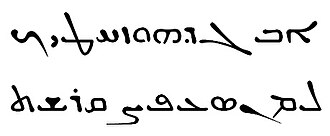
As a Northwest Semitic language, Syriac employs an abjad—a writing system where each symbol represents a consonant, and vowels are typically indicated by optional marks.
Consonants and Vowels
The language consists of 22 consonants. A defining feature of its phonology is the presence of voiced and voiceless pairs, such as the labial /b/ and /v/ or the velar /k/ and /x/. Classical Syriac utilizes a system of front and back vowels, including close (i, u), close-mid (e, o), open-mid (ɛ), and open (a, ɑ) sounds.
Grammar and Morphology
Syriac verbs are characterized by a root-and-pattern system. For example, the root š-q-l (related to taking or lifting) can be modified to change the tense, mood, or meaning. The basic conjugation (Peal) allows for precise distinctions between the perfect (completed action) and imperfect (incomplete or future action) aspects.

Syriac in the Modern World
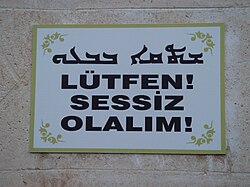
Although Classical Syriac is no longer a vernacular, it survives through Neo-Aramaic languages and the continued use of the script in religious contexts. In places like Mardin, Turkey, the script is still visible on public signage, blending ancient tradition with modern life.
The global reach of the language is also evidenced by its presence in unexpected locations, such as the Syro-Malabar traditions in Kerala, India, where Syriac texts were preserved and used for centuries.
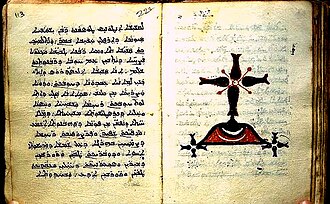
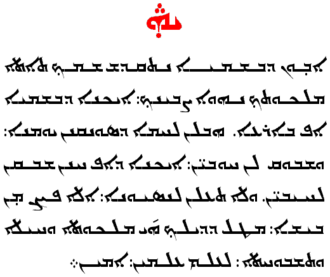
From the signature of religious leaders to the translation of the Lord's Prayer, the language continues to be a symbol of cultural and spiritual identity for millions.

Summary of Syriac Linguistic Profile
| Feature | Description |
|---|---|
| Language Family | Afro-Asiatic → Semitic → Aramaic |
| Primary Script | Syriac Abjad (e.g., Estrangela) |
| Key Dialects | West-Syriac and East-Syriac |
| Historical Center | Edessa (Kingdom of Osroene) |
| Modern Status | Liturgical; Minority/Official in specific regions |


Frequently Asked Questions
What is the difference between Aramaic and Syriac?
Aramaic is a broad family of Semitic languages. Syriac is a specific literary dialect of Aramaic that originated in Edessa and became the standard language for Eastern Christian liturgy and literature.
Is Syriac still spoken today?
Classical Syriac is primarily used for liturgical and literary purposes. However, it has evolved into various Neo-Aramaic languages that are still spoken by communities in the Middle East.
Where is the Syriac language officially recognized?
It is an official language in the Nineveh Plains and the Democratic Autonomous Administration of North and East Syria, and it is recognized as a minority language in Turkey.
What is an abjad?
An abjad is a type of writing system where each symbol represents a consonant. Vowels are either omitted or indicated by optional diacritics, which is the system used by the Syriac alphabet.
Which regions were the historical heartlands of Syriac?
The linguistic homeland was the Kingdom of Osroene, centered around the city of Edessa, situated between the Roman and Parthian empires in the 1st century AD.