Sweetbreads: A Culinary Guide to These Rich Offal Delicacies
In the world of gourmet dining, few ingredients are as prized for their luxury and texture as sweetbreads. Despite the name, sweetbreads are not bread at all, nor are they muscle meat. Instead, they are a type of offal—the edible non-muscle organs of an animal—celebrated for their succulent texture and rich, slightly gamey flavor profile.
Whether served as an elegant appetizer or a hearty main course, sweetbreads have a long history in global gastronomy, from the refined kitchens of France to the vibrant street food stalls of Iran and the charcoal grills of Argentina.
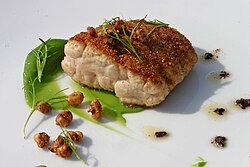
What Exactly Are Sweetbreads?
Culinary "sweetbreads" refer to the thymus gland or the pancreas, typically sourced from calves (known in French as ris de veau) or lambs (ris d'agneau). Because they are glands rather than muscle, they are categorized as variety meat or "fancy meat."
Types of Sweetbreads
- Throat Sweetbreads: These are the thymus glands. They are generally cylindrical in shape and are often referred to as gullet or neck sweetbreads.
- Heart Sweetbreads: These are the pancreas. They are more spherical in appearance and are also known as belly or stomach sweetbreads.
It is important to note that as animals age, the thymus is replaced by fibrous tissue. Consequently, sweetbreads sourced from beef or pork are exclusively pancreatic.
While the thymus and pancreas are the primary sources, other glands are occasionally referred to as sweetbreads in certain contexts, including the parotid (cheek or ear) and sublingual (tongue or throat) glands, as well as the ovaries and testicles.
Key Facts
- Composition: Sweetbreads are the thymus or pancreas of calves or lambs.
- Texture: Known for being tender, succulent, and rich.
- Classification: Categorized as offal, variety meat, or "fancy meat."
- Global Reach: A staple in French, Creole, Persian, Argentinian, and Mexican cuisines.
- Preparation: Often involves soaking in salt water or milk (dégorgement) to prepare for cooking.
Global Culinary Applications
Sweetbreads are versatile ingredients that appear in diverse cooking traditions across the globe.
French and American Haute Cuisine
Sweetbreads are a cornerstone of traditional French cuisine. Renowned chefs have documented numerous ways to prepare them. Henri-Paul Pellaprat's 1966 work Modern French Culinary Art suggests preparations with cream sauce, ham, or served in pastry cases and à la Florentine. Similarly, Julia Child, Simone Beck, and Louisette Bertholle recommended variations featuring mushroom sauces, Swiss cheese gratins, and à l'Italienne styles with ham.
In the United States, legendary chef James Beard championed the ingredient, featuring recipes for broiled, sautéed, and en brochette (skewered) sweetbreads. They also hold a significant place in Louisiana Creole cuisine, remaining a popular menu item in New Orleans restaurants today.
International Street Food and Regional Specialties
Beyond Western fine dining, sweetbreads are enjoyed in various regional styles:
- Iran: A common street food often served as a kebab. The process typically involves soaking in salt water, poaching in milk, removing the outer membrane, and then breading and frying.
- Argentina and Mexico: Known as mollejas, they are frequently slow-grilled over charcoal, sometimes after a poaching process.
- Texas: Regional variations in Texas also feature mollejas, often utilizing a process called dégorgement (soaking in salted water or milk) before grilling.
Summary of Sweetbread Varieties
| Common Name | Anatomical Source | Shape | Common Animal Sources |
|---|---|---|---|
| Throat Sweetbread | Thymus Gland | Cylindrical | Calf, Lamb |
| Heart Sweetbread | Pancreas | Spherical | Calf, Lamb, Beef, Pork |
| Mollejas | Thymus/Pancreas | Varies | Calf, Lamb |
Etymology
The term "sweetbread" first appeared in the 16th century, though its exact origin remains unclear. Some linguists suggest that "sweet" refers to the rich, sweet taste of the thymus compared to the savory taste of muscle meat. The word "bread" may derive from the Middle English brede, which referred to roast meat.
Frequently Asked Questions
What is the difference between throat and heart sweetbreads?
Throat sweetbreads come from the thymus gland and are cylindrical, while heart sweetbreads come from the pancreas and are more spherical.
Why are sweetbreads soaked in milk or salt water?
This process, known as dégorgement, is used to clean the meat and prepare it for cooking, helping to mellow the flavor and improve the texture.
Can you get sweetbreads from beef or pork?
Yes, but only pancreatic sweetbreads. The thymus gland is replaced by fibrous tissue as the animal ages, meaning throat sweetbreads are typically only sourced from younger animals like calves or lambs.
What does "mollejas" mean?
Mollejas is the Spanish term for sweetbreads, commonly used in Argentinian, Northern Mexican, and Texan cuisines.
Are sweetbreads considered a type of meat?
They are not muscle meat; they are categorized as offal, variety meat, or "fancy meat" because they are glands.