Beignets: The History and Art of French Fried Pastries
The beignet (derived from the French word for "bump") is a beloved deep-fried pastry of French origin. While many recognize them as a staple of New Orleans culture, these golden fritters have a rich global history and a variety of preparations that span continents. From light, airy choux pastry to hearty yeast-leavened doughs, beignets represent a versatile culinary tradition enjoyed across French, Hungarian, Italian, Cajun, and American cuisines.
Key Facts
- Origin: France, later popularized in New Orleans by French and Acadian colonists.
- Primary Types: Choux pastry (pâte à choux), yeast-leavened, and rice flour.
- Common Topping: A generous dusting of confectioners' (powdered) sugar.
- Official Status: The beignet is one of only two official state donuts in the U.S. (Louisiana).
- Global Variations: Includes fritelli in Corsica and millet-based versions in Senegal.
Types of Beignet Dough
Depending on the region and desired texture, beignets are crafted from several different types of dough.
Choux Pastry (Pâte à Choux)
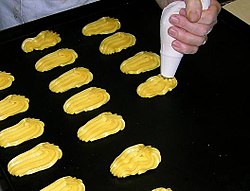
The traditional French-style beignet utilizes pâte à choux, a versatile dough made from butter, eggs, milk or water, sugar, flour, and salt. This method was introduced to New Orleans in the 1700s by French immigrants. Because of its light consistency, this dough is often piped or scooped into hot oil.
Yeast-Leavened Dough
Some beignets are made with yeast pastry, similar to a doughnut. In France, these are sometimes called boules de Berlin, referring to Berliner doughnuts that lack a center hole and are often filled with jam or fruit. In Louisiana, leavened dough is the standard for the region's iconic square-shaped beignets.
Regional and Alternative Flours
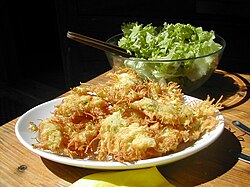
Beyond wheat, various cultures use local grains to create their own versions of the fritter. In Corsica, fritelli are made using chestnut flour. In Senegal and other parts of West Africa, beignets may be made with millet flour, similar to the African puff-puff. Rice flour is also used to create specific rice beignets.
The Beignet in Louisiana
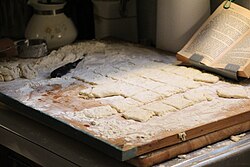
In the United States, the beignet is most closely associated with New Orleans Creole cooking. Unlike the French choux version, Louisiana-style beignets are typically square or rectangular and made from leavened dough. They are traditionally served as a breakfast item, heavily dusted with powdered sugar, and intended to be eaten immediately after frying.
The beignet holds a place of honor in American culinary law as the official state donut of Louisiana, sharing this distinction with only the Boston cream doughnut of Massachusetts.
Preparation and Ingredients
While recipes vary, the core components of a beignet remain consistent. The process differs primarily based on whether the pastry is leavened or made from choux.
| Ingredient/Step | Yeast-Leavened Beignets | Choux Pastry Beignets |
|---|---|---|
| Key Leavening | Yeast | Steam (from eggs/water) |
| Primary Fats | Shortening, Oil, or Lard | Butter, Oil, or Lard |
| Common Liquids | Lukewarm water, Evaporated milk | Milk or Water |
| Shaping Method | Rolled and sliced into squares | Piped or scooped |
| Cooking Time | 2 to 3 minutes (deep-fried) | Deep-fried until golden |
For yeast-leavened versions, the dough is combined, rolled out, and sliced before frying to achieve a puffy, golden-brown result. Choux pastry is typically chilled before being piped into the oil. Both styles are traditionally finished with a coating of confectioners' sugar, though some variations include savory fillings like meat and cheese, or sweet additions like berries, banana, and plantain.
Frequently Asked Questions
What is the difference between a beignet and a doughnut?
While both are fried dough, beignets specifically refer to pastries of French origin. They often use choux pastry (which is lighter and airier) or leavened dough without a center hole, whereas many traditional doughnuts are ring-shaped.
What is pâte à choux?
Pâte à choux is a light pastry dough made from butter, eggs, flour, and liquid. It relies on high moisture content to create steam during baking or frying, which puffs the pastry up.
Why are New Orleans beignets square?
Louisiana-style beignets are made from a leavened dough that is rolled out and sliced into squares before being deep-fried, resulting in their characteristic rectangular shape.
Can beignets be savory?
Yes. While most commonly served as a sweet treat with powdered sugar, some variations include savory fillings such as meat and cheese.
Where did beignets originate?
The term and the specific pastry style originated in France. They were later brought to New Orleans in the 18th century by French colonists and Acadians.