Subtropical Climates: Geography, Patterns, and Global Varieties
The subtropical zones serve as a vital transition between the intense heat of the tropics and the cooler temperate regions of the Earth. Located immediately north and south of the tropics, these zones cover the middle latitudes, generally spanning from approximately 23.4° to between 35° and 40° in both hemispheres. This region includes the well-known horse latitudes and plays a crucial role in global weather patterns.
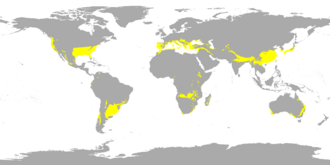
While often associated with warmth, the subtropics are far from uniform. They encompass a diverse array of environments, ranging from lush, humid forests to arid deserts. Understanding these zones requires looking at how atmospheric circulation, elevation, and latitude interact to create distinct precipitation and temperature regimes.
Key Facts
- Latitudinal Range: Typically located between 23.4° and 35°–40° north and south.
- Primary Climate Types: Includes humid subtropical, Mediterranean, and arid/semi-arid varieties.
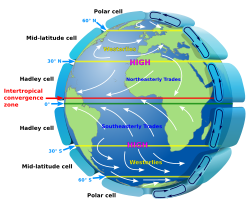
- Atmospheric Driver: The Hadley cell circulation causes air to sink near the 30th parallel, creating high-pressure zones.
- High-Altitude Variation: Subtropical climates can also exist at high elevations within tropical regions.
- Vegetation Impact: The "frost line" acts as a biological boundary between different plant evolutionary groups.
Defining the Subtropics
Because the Earth's climate is complex, scientists use several different systems to define what constitutes a "subtropical" region. There is no single universal definition, but rather several scientific frameworks:
Climate Classification Systems
- Trewartha Classification: Defines a subtropical region as having at least eight months with a mean temperature above 10°C (50°F) and at least one month below 18°C (64.4°F).
- Troll-Paffen Classification: Focuses on warm temperate zones, defining them by the average temperature of the coldest month.
- Holdridge System: Uses biotemperature (a measure of plant-available heat) to define the zone, typically between a frost line of 16°C–18°C and 24°C.
- Köppen Classification: Distinguishes between hot (subtropical) and cold (temperate) arid climates based on an annual average temperature of 18°C (64.4°F).
Atmospheric Drivers and Rainfall Patterns
The unique weather of the subtropics is largely driven by the Hadley cell. Near the equator, intense solar heating causes air to rise through convection. As this air moves toward the poles at high altitudes, it cools and becomes denser. Eventually, this air sinks near the 30th parallel, creating a subtropical ridge of high pressure. This sinking air inhibits cloud formation, which is why many of the world's great deserts are located within these subtropical high-pressure zones.

Rainfall distribution varies significantly depending on the specific subtype of the climate:
- Humid Subtropical: Rainfall is often concentrated during the warmest months.
- Mediterranean: Characterized by a dry summer and a wet winter season.
- Arid/Semi-arid: Defined by a lack of regular rainfall, often occurring in areas adjacent to cold ocean currents.
Major Subtropical Climate Varieties
Humid Subtropical Climate
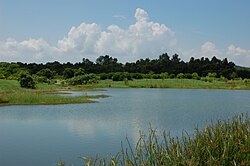
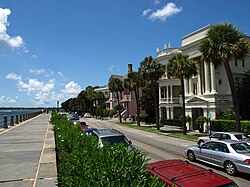
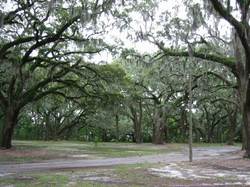
This climate is defined by hot, humid summers and generally mild winters with infrequent frost. It is common in regions such as the Southeastern United States, Southeast China, Southern Japan, and parts of Eastern Australia and Southeastern South America.
Mediterranean Climate
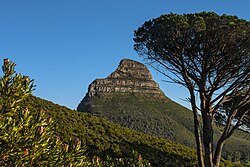
Found typically on the western sides of continents, the Mediterranean climate features hot, dry summers and cooler, wetter winters. Notable regions include the Mediterranean Basin, California, southwestern Australia, central Chile, and parts of South Africa.
Arid and Semi-Desert Climates
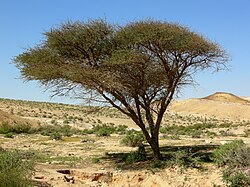
In these regions, the annual average temperature is typically above 18°C (64.4°F), but regular rainfall is absent. These areas are often found in the subtropics due to the descending air of the Hadley cells. Examples include parts of the West Coast of South America and coastal Southern Africa.
Summary of Subtropical Climate Types
| Climate Type | Summer Characteristics | Winter Characteristics | Typical Locations |
|---|---|---|---|
| Humid Subtropical | Hot and humid | Mild | SE United States, SE China, Eastern Australia |
| Mediterranean | Hot and dry | Cool and wet | Mediterranean Basin, California, SW Australia |
| Arid/Semi-desert | Hot/Dry | Variable | Coastal South America, Southern Africa |
| Subtropical Highland | Mild/Moderate | Mild/Moderate | Mexican Plateau, Vietnamese Central Highlands |
Frequently Asked Questions
What causes the deserts in subtropical regions?
Deserts in these zones are primarily caused by the Hadley cell circulation. As air rises at the equator and moves toward the poles, it eventually sinks near the 30th parallel. This sinking air creates high-pressure areas that prevent the formation of clouds and precipitation.
How does elevation affect subtropical climates?
Subtropical climates are not limited to lowlands; they can also occur at high elevations within the tropics. Examples include the southern end of the Mexican Plateau and the Da Lat region in the Vietnamese Central Highlands.
What is the difference between humid subtropical and Mediterranean climates?
The primary difference lies in the timing of rainfall. Humid subtropical climates often see rainfall concentrated in the warm months, whereas Mediterranean climates experience a distinct dry summer and a wet winter season.
What is the "frost line" in subtropical ecology?
The frost line is a biological dividing line that separates warm temperate regions from subtropical regions. It represents a threshold where plants that have not evolved to withstand frost may be killed back by low temperatures.
Where can I find Mediterranean climates?
Mediterranean climates are typically found on the western sides of continents. Common locations include the Mediterranean Basin, the coastal areas of the lower western United States, southwestern Australia, and central Chile.