Subfamily Classification: Organizing the Diversity of Life
In the vast and complex web of biological classification, scientists require precise tools to organize the immense variety of living organisms. One such tool is the subfamily, an intermediate taxonomic rank that provides a bridge between broader groups and more specific ones. By placing the subfamily below the family level and above the genus level, biologists can more effectively group related genera together, creating a more granular and organized map of life.
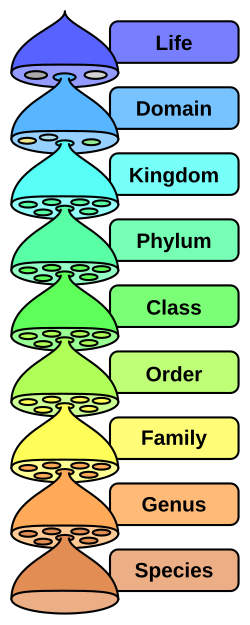
Key Facts
- A subfamily is an auxiliary taxonomic rank positioned between family and genus.
- Botanical subfamily names always end with the suffix -oideae.
- Zoological subfamily names always end with the suffix -inae.
- Botanical naming is governed by the International Code of Nomenclature for algae, fungi, and plants (ICN).
- Zoological naming is governed by the International Code of Zoological Nomenclature (ICZN).
Nomenclature and Scientific Rules
To maintain consistency across scientific literature, specific rules govern how subfamilies are named. These rules ensure that a researcher can immediately identify the taxonomic rank of an organism simply by looking at its name. These standardized suffixes are strictly enforced by international governing bodies.
Botanical Classification
In botany, the International Code of Nomenclature for algae, fungi, and plants (ICN) dictates the naming conventions. For any botanical subfamily, the name must conclude with the suffix -oideae. For example, Detarioideae is a recognized botanical subfamily.
Zoological Classification
In the animal kingdom, the International Code of Zoological Nomenclature (ICZN) provides the framework. Zoological subfamilies are distinguished by the suffix -inae. This allows scientists to differentiate animal taxa from plant taxa at a glance.
Real-World Examples
To see how these ranks function in practice, we can look at specific examples from both the plant and animal kingdoms.
Botanical Example: Detarioideae
The Detarioideae is a subfamily within the Fabaceae (legume) family. This specific group is composed of 84 different genera and is identified by its unique characteristics regarding fruit and floral traits.
Zoological Example: Stevardiinae
In the world of freshwater fish, Stevardiinae serves as a subfamily within the large and diverse Characidae family. This group includes various genera of fish known for their complex reproductive behaviors. Modern molecular studies—the analysis of biological molecules like DNA—have been instrumental in clarifying the exact classification of this subfamily.
Summary of Taxonomic Suffixes
| Domain | Governing Body | Required Suffix | Example |
|---|---|---|---|
| Botany | ICN | -oideae | Detarioideae |
| Zoology | ICZN | -inae | Stevardiinae |
Frequently Asked Questions
Where does a subfamily sit in the biological hierarchy?
A subfamily is an intermediate rank located below the family level and above the genus level.
How can I tell if a subfamily name refers to a plant or an animal?
You can identify the domain by the suffix: botanical subfamilies end in -oideae, while zoological subfamilies end in -inae.
What organizations regulate these scientific names?
Botanical names are regulated by the International Code of Nomenclature for algae, fungi, and plants (ICN), while zoological names are governed by the International Code of Zoological Nomenclature (ICZN).
Why is the subfamily rank useful?
It allows scientists to organize the diversity of life more precisely by grouping related genera within a larger family.
What is an example of a botanical subfamily?
Detarioideae is a subfamily of the Fabaceae (legume) family containing 84 genera.
What is an example of a zoological subfamily?
Stevardiinae is a subfamily within the Characidae family of freshwater fish.