Subfamily: The Intermediate Rank of Biological Classification
In the complex system of biological classification, scientists use a hierarchical structure to organize the vast diversity of life on Earth. While major ranks like family and genus are well-known, there are auxiliary levels used to provide greater precision. One such level is the subfamily (Latin: subfamilia), an intermediate taxonomic rank positioned strategically below the family and above the genus.
The primary purpose of a subfamily is to group related genera within a larger family. By creating these subdivisions, taxonomists can more accurately reflect the evolutionary relationships and shared characteristics of organisms that might otherwise be lost in a broad family grouping.
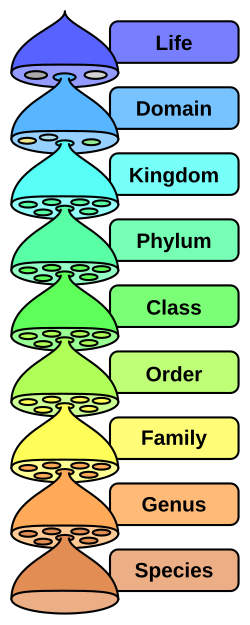
Key Facts
- Position: Located between the family and genus ranks.
- Purpose: Organizes related genera within a single family for more precise classification.
- Botanical Suffix: Subfamily names in botany always end in -oideae.
- Zoological Suffix: Subfamily names in zoology always end in -inae.
- Governing Bodies: Regulated by the ICN for plants/fungi/algae and the ICZN for animals.
Botanical Subfamilies
In botany, subfamilies are essential for managing large plant families. A prominent example is Detarioideae, a subfamily within the Fabaceae (legume) family. This group is characterized by specific fruit and floral traits and encompasses 84 different genera.
The naming of these groups is strictly governed by the International Code of Nomenclature for algae, fungi, and plants (ICN), which ensures that botanical names are standardized globally.
Zoological Subfamilies
Zoology employs subfamilies similarly to categorize animal diversity. An example is Stevardiinae, a subfamily found within the Characidae family, which consists of various freshwater fish. Members of Stevardiinae are noted for their complex reproductive behaviors.
Modern classification in zoology often relies on molecular studies to clarify these groupings. The naming conventions for these taxa are managed by the International Code of Zoological Nomenclature (ICZN).
Nomenclature and Classification Rules
To prevent confusion in scientific literature, specific suffixes are used to identify the taxonomic rank of a group immediately. These rules are not arbitrary but are mandated by international regulatory codes.
The ICN and ICZN
The International Code of Nomenclature for algae, fungi, and plants (ICN) provides the framework for botanical naming. Conversely, the International Code of Zoological Nomenclature (ICZN) governs the naming of animal taxa. Both codes specify the required suffixes and the hierarchical placement of subfamilies to maintain a consistent global database of life.
The following table summarizes the differences in nomenclature between the two primary biological domains:
| Domain | Governing Code | Required Suffix | Example |
|---|---|---|---|
| Botany | ICN | -oideae | Detarioideae |
| Zoology | ICZN | -inae | Stevardiinae |
Frequently Asked Questions
Where does a subfamily fit in the taxonomic hierarchy?
A subfamily is an intermediate rank that sits below the family level and above the genus level.
How can you tell if a scientific name refers to a botanical subfamily?
Botanical subfamilies are identified by the suffix -oideae.
How can you tell if a scientific name refers to a zoological subfamily?
Zoological subfamilies are identified by the suffix -inae.
Which organizations regulate the naming of subfamilies?
The International Code of Nomenclature for algae, fungi, and plants (ICN) regulates botanical names, while the International Code of Zoological Nomenclature (ICZN) regulates zoological names.
Why are subfamilies used instead of just families and genera?
Subfamilies allow scientists to organize related genera within a family more precisely, helping to better categorize the diversity of life and reflect evolutionary relationships.