Stomach Oil in Procellariiformes: Energy Storage and Defense
In the vast expanse of the open ocean, seabirds of the order Procellariiformes have evolved remarkable biological adaptations to survive. One of the most fascinating of these is the production of stomach oil—a light oil composed of neutral dietary lipids stored in the proventriculus, which is the fore-gut of the bird.
This specialized substance is utilized by almost all members of the order, including albatrosses, procellarids (such as shearwaters and gadfly petrels), and both northern and austral storm petrels. The only exception within this group are the diving petrels, which do not produce this oil.
Key Facts
- Composition: Primarily consists of wax esters and triglycerides.
- Origin: A residue of digested prey (krill, squid, copepods, and fish), not a glandular secretion.
- Energy Density: Approximately 40 MJ/kg (9.6 kcal per gram), comparable to diesel oil.
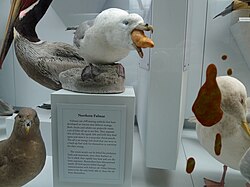
- Defensive Use: Ejected from the mouth to deter predators and rivals.
- Persistence: The hydrophobic nature of the oil makes its smell extremely difficult to remove.
Chemical Composition and Properties
The exact chemical makeup of stomach oil varies between different species and individual birds. However, it almost universally contains wax esters and triglycerides. In some cases, other compounds such as squalene, pristane, and glycerol ethers are also present.
Physically, the oil is characterized by low viscosity. However, it is temperature-sensitive and will solidify into a hard wax if it is allowed to cool.
The Biological Function of Stomach Oil
While it was once believed that stomach oil was a secretion produced by the proventriculus, scientists now know it is a byproduct of digestion. As the birds consume prey items like fish, squid, copepods, and krill, the resulting residue forms this energy-rich oil.
The primary purpose of this oil is energy storage. With a calorific value of roughly 40 MJ/kg, it allows birds to store significantly more energy than they could by holding undigested prey. This provides a critical survival advantage for species that travel immense distances to feed their chicks or for those navigating the ocean during lean periods when prey is patchy and scarce.
A Unique Defensive Weapon
For surface-nesting albatrosses and petrels, stomach oil serves a secondary purpose: defense. When threatened by conspecific rivals or predators, these birds can eject the oil from their mouths. It is a common misconception that the oil is expelled through the nostrils; it is strictly an oral ejection.
The effects of this attack vary by target. For other birds, the oil is potentially lethal because it mats their feathers, destroying their water repellency and stripping them of their ability to fly. For mammals, including humans, the oil is not inherently dangerous, but it possesses an extremely offensive smell. This repulsive odor can hinder a predator's hunting success for a significant period.
Because the oil is hydrophobic (water-repelling), the scent cannot be washed away with water alone and can persist on surfaces or clothing for months or even years.
Summary of Stomach Oil Characteristics
| Feature | Details |
|---|---|
| Primary Components | Wax esters and triglycerides |
| Energy Value | ~40 MJ/kg (9.6 kcal/g) |
| Source | Digested prey (krill, squid, fish, copepods) |
| Storage Location | Proventriculus (fore-gut) |
| Defensive Target | Predators and rival birds |
Frequently Asked Questions
Is stomach oil a secretion?
No. Although previously thought to be a secretion, it is actually a residue created during the digestion of prey items.
Which birds in the Procellariiformes order do not use stomach oil?
Diving petrels are the only members of the Procellariiformes order that do not utilize stomach oil.
Why is stomach oil more efficient than storing undigested food?
Stomach oil has a very high calorific value (around 40 MJ/kg), allowing the bird to store a greater amount of energy in a more concentrated form.
How does stomach oil affect other birds?
It can be deadly to other birds by matting their feathers, which leads to a loss of flight capability and destroys their natural water repellency.
Can the smell of stomach oil be removed with water?
No, the oil is hydrophobic, meaning it repels water. Consequently, the offensive smell can persist on clothing or other materials for months or years.