Snow Petrel: The White Racer of the Antarctic
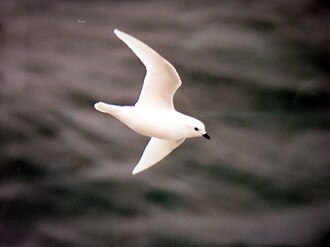
The snow petrel (Pagodroma nivea) is a striking, pure white seabird that defines the frozen landscapes of the far south. As the only member of the genus Pagodroma, this resilient bird is one of only three species ever recorded at the Geographic South Pole. Known for its ability to withstand some of the harshest conditions on Earth, the snow petrel maintains the most southerly breeding sites of any bird, nesting deep within the Antarctic interior.
The name Pagodroma reflects the bird's environment and agility, combining the Ancient Greek pagos (frost or sea-ice) with dromos (racer or runner). Its specific epithet, niveus, is Latin for "snow-white," a fitting description for a bird that blends seamlessly into its icy surroundings.
Key Facts
- Conservation Status: Least Concern (IUCN 3.1).
- Range: Restricted almost entirely to cold Antarctic waters and land.
- Population: Estimated 4 million adult birds.
- Unique Ability: One of only three bird species seen at the Geographic South Pole.
- Diet: Omnivorous, feeding on fish, krill, and carrion.
- Lifespan: Partners remain faithful for approximately 20 years.
Taxonomy and Evolution
The snow petrel was first described in 1777 by German naturalist Georg Forster during James Cook's second voyage to the Pacific. Forster initially placed the bird in the genus Procellaria, but in 1856, French naturalist Charles Lucien Bonaparte established the genus Pagodroma specifically for this species.
Within the species, there is significant variation in size, leading to the recognition of two subspecies. While early naturalists like Hermann Schlegel and Gregory Mathews debated whether these forms were separate species, they are now classified as subspecies based on their breeding locations:
- P. n. nivea: Breeds on the Antarctic Peninsula, South Georgia Islands, and the Scotia Arc.
- P. n. major: A larger form that breeds on the South Sandwich Islands and Géologie Archipelago.
Biological Characteristics of Procellariiformes
As a member of the order Procellariiformes (tubenosed seabirds), the snow petrel possesses several specialized biological adaptations:
- Naricorns: Specialized nasal passages attached to the upper bill.
- Bill Structure: The bill is composed of seven to nine horny plates.
- Stomach Oil: They produce a nutrient-rich oil of wax esters and triglycerides in the proventriculus. This oil serves as a high-energy food source for chicks and adults, and can be sprayed as a defense mechanism against predators like skuas.
- Salt Glands: Located above the nasal passages, these glands desalinate the body by excreting a high-saline solution, allowing the birds to drink ocean water.
Physical Description and Behavior
The snow petrel is a small fulmarine petrel characterized by its pure white plumage, coal-black eyes, a small black bill, and bluish-gray feet. Adults typically measure 30–40 cm in length with a wingspan of 75–95 cm. In the air, their flight is erratic, marked by frequent and sudden changes in direction.
Their behavior is closely tied to the ice. They are frequently observed in flocks resting on icebergs and are rarely seen north of the pack ice.
Breeding and Life Cycle
Snow petrels are colonial nesters. While many colonies are located on exposed rocks near the sea, some are found in inland mountain ranges more than 400 km from the open ocean. The main influx of birds to these colonies occurs between mid-September and early November.
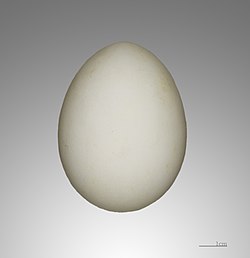
Nesting is simple; birds create pebble-lined scrapes, often within deep rock crevices for protection. A single white egg is laid between late November and mid-December, followed by an incubation period of 41 to 49 days. After hatching, the chick is brooded for 8 days and typically fledges between late February and mid-May.
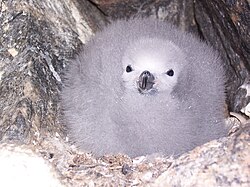
Parental investment is high, though the environment is unforgiving: egg mortality is approximately 50%, and chick mortality ranges from 10% to 15%. Interestingly, these birds utilize "cleaning areas" within their colonies where they bathe in snow to maintain their plumage.
Diet and Foraging
The snow petrel is an opportunistic feeder. Its primary diet consists of fish, krill, mollusks, and cephalopods. However, they also scavenge on carrion, including whale carcasses, dead or stillborn seals, seal placentas, and dead penguin chicks. During the winter months, they disperse across ice floes and the open sea to forage.
| Feature | Detail |
|---|---|
| Scientific Name | Pagodroma nivea |
| Body Length | 30–40 cm |
| Wingspan | 75–95 cm |
| Primary Habitat | Antarctic pack ice and coastline |
| Clutch Size | 1 egg |
| Conservation Status | Least Concern |
Frequently Asked Questions
Why is the snow petrel called a "tubenosed" bird?
It belongs to the order Procellariiformes, which are characterized by having external tubular nostrils (naricorns) on the upper part of the bill, used for smelling and excreting excess salt.
How do snow petrels survive drinking saltwater?
They possess specialized salt glands located above their nasal passages that filter excess salt from their blood and excrete it as a concentrated saline solution through their nostrils.
What is the purpose of the stomach oil they produce?
The oil serves two main purposes: it is a calorie-dense food source for adults during long flights and for feeding their chicks, and it can be sprayed at predators as a defense.
Where do snow petrels nest?
They nest in colonies on exposed rocks, often in deep crevices with overhanging protection. These sites can be coastal or located deep inland in Antarctic mountain ranges.
Are snow petrels endangered?
No, the IUCN classifies the snow petrel as "Least Concern" due to its massive occurrence range of over 35 million square kilometers and an estimated population of 4 million adults.