Stockholm: The Vibrant Capital of Scandinavia
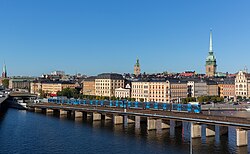
Known as the Venice of the North and the Capital of Scandinavia, Stockholm is a city where history and modernity blend seamlessly across an archipelago of islands. As the capital of Sweden, it serves as the nation's political, economic, and cultural heart, offering a unique urban landscape defined by its relationship with the water.
From the cobblestone alleys of the Old Town to the towering skyscrapers of Kista, Stockholm is a city of contrasts. It is a global hub for innovation and a sanctuary for art and history, all while maintaining a deep commitment to environmental sustainability.
Key Facts
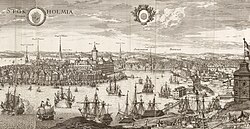
- First Mention: 1252
- Population: Approximately 996,264 in the capital city (2025), with a metro population of over 2.48 million.
- Geography: Spans the provinces of Södermanland and Uppland.
- Economy: Metro GDP of €171.269 billion (2021).
- Nicknames: Sthlm, Eken, the Venice of the North, and the Capital of Scandinavia.
Geography and Urban Structure
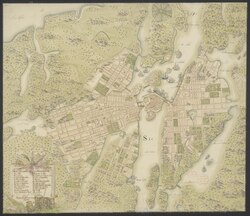
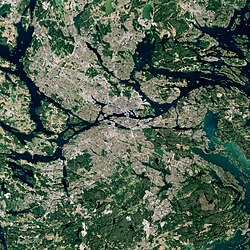
Stockholm is uniquely situated where Lake Mälaren meets the Baltic Sea. The city is divided into several distinct areas, each with its own character.
The City Centre
The heart of the city consists of several key districts:
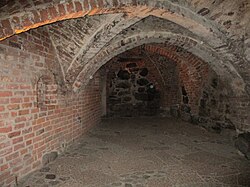
- Gamla Stan: The historic Old Town, featuring medieval architecture and royal residences.
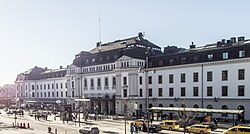
- Norrmalm: The modern commercial center.
- Södermalm: Known for its creative energy and trendy neighborhoods.
- Kungsholmen, Vasastan, and Östermalm: Residential and upscale districts that complete the central core.
Outer Districts
Beyond the center, the municipality extends into Söderort (Southern districts like Farsta and Skärholmen) and Västerort (Western districts including Bromma and Rinkeby-Kista).
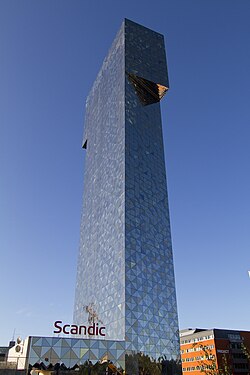
History and Population Growth
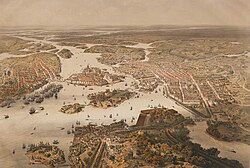
First mentioned in 1252 and granted a charter in the 13th century, Stockholm has evolved from a small trading post into a global metropolis. Its population growth reflects the city's rising importance over the centuries.
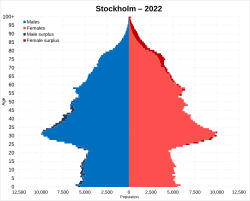
In 1252, the population was estimated at just 100 people. By 1800, it had grown to 75,800, and experienced a massive surge in the late 19th century, reaching over 300,000 by 1900. Today, the urban area is home to over 1.6 million residents.
![Stockholm Municipality population development years 1570–2012[95]](/images/dc/c1/dcc198ff363c331743e21640547f1cfa2be2664d155a1c0a0783a9a22f4c6e6d.webp)
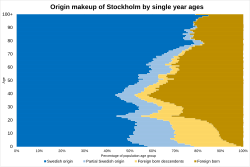
The city is also a melting pot of cultures. As of 2021, approximately 25.8% of residents were foreign-born, with significant populations originating from Iraq, Finland, Iran, and Poland.
Climate and Environment
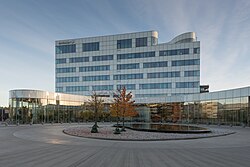
Stockholm experiences a temperate climate with distinct seasonal variations. Summers are mild and bright, while winters are cold and snowy.
| Month | Mean Max Temp (°C) | Mean Min Temp (°C) | Avg Precipitation (mm) | Daily Daylight Hours |
|---|---|---|---|---|
| January | 6.6 | -11.2 | 37.0 | 7.0 |
| July | 29.7 | 10.6 | 61.5 | 17.7 |
| October | 15.8 | -0.8 | 51.4 | 10.2 |
| December | 8.5 | -8.3 | 47.8 | 6.2 |
The city is recognized as a role model for urban sustainability, having been named the European Green Capital in 2010. It is characterized by high air quality and the integration of a national urban park.
Culture and Landmarks
Stockholm is a powerhouse of arts and history, boasting some of the world's most unique museums and architectural sites.
World-Class Museums
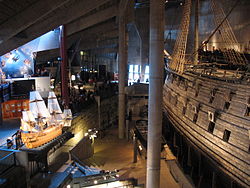
- Vasa Museum: Home to the preserved 17th-century warship Vasa.
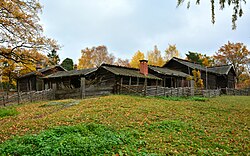
- Skansen: The world's first open-air museum, showcasing historic Swedish homesteads.
- ABBA: The Museum: An interactive experience dedicated to the legendary pop group.
- Nobel Museum: Dedicated to Alfred Nobel and the laureates of the Nobel Prize.
- Fotografiska: A leading contemporary museum of photography.
Architecture and Arts
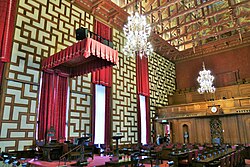
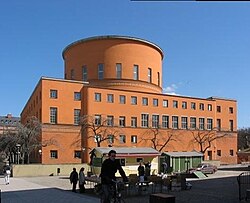
The city's skyline is a mix of the old and new, from the Stockholm Public Library designed by Gunnar Asplund to the modern headquarters of Ericsson. The municipal council chamber in the City Hall remains one of the most iconic interior spaces in the city.
Infrastructure and Transport
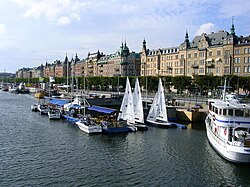
Stockholm's transport network is designed to handle its island geography efficiently. The city utilizes a combination of rail, road, and water transport.
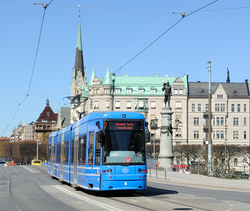
- Public Transit: The Tunnelbana (metro) is famous for its art-filled stations. The city also operates an extensive tram and bus network.
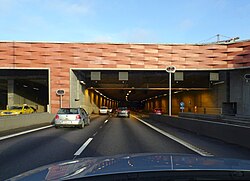
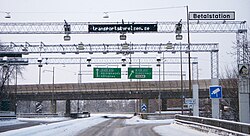
- Roads and Traffic: To manage urban congestion, Stockholm employs congestion charges for vehicles entering the city center.
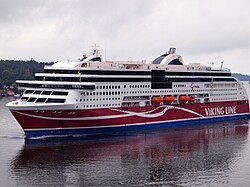
- Waterways: Ferries are essential for commuting and tourism, connecting the city to the archipelago and international destinations like Finland and Åland.
Frequently Asked Questions
What is the population of Stockholm?
As of 2025, the capital city population is 996,264, while the wider metropolitan area houses approximately 2,480,063 people.
Why is Stockholm called the Venice of the North?
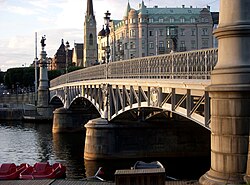
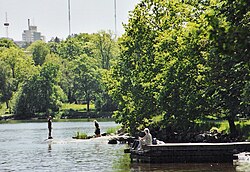
The nickname refers to the city's geography, as it is built on 14 islands connected by numerous bridges and surrounded by water.
What are the must-visit museums in Stockholm?
Highly recommended museums include the Vasa Museum, Skansen (the world's first open-air museum), the Nobel Museum, and ABBA: The Museum.
How does Stockholm manage traffic congestion?
Stockholm uses a system of congestion charges, where vehicles are charged a fee for entering and exiting the city center during peak hours to reduce traffic volume.
What is the climate like in Stockholm?
Stockholm has a temperate climate with cold, snowy winters (mean minimums around -11°C in January) and mild, bright summers (mean maximums around 30°C in July).