Exploring Sweden: A Journey Through History, Culture, and Modernity
Located in Northern Europe, the Kingdom of Sweden is a nation defined by its vast landscapes, a storied past, and a sophisticated modern economy. From the legendary era of the Vikings to its current status as a global leader in innovation and social welfare, Sweden offers a unique blend of tradition and progress. Whether you are interested in its complex political structure, its diverse natural ecosystems, or its world-renowned cultural exports, Sweden stands as a pillar of the European community.
Key Facts
- Capital: Stockholm
- Official Language: Swedish (with Sámi, Finnish, Meänkieli, Romani, and Yiddish recognized as national minority languages)
- Government Type: Unitary parliamentary constitutional monarchy
- Monarch: Carl XVI Gustaf
- Prime Minister: Ulf Kristersson
- Currency: Swedish krona (SEK)
- Total Area: 450,295 km²
- Population Estimate (Oct 2025): 10,610,485
A Deep Dive into Swedish History
From the Viking Age to the Swedish Empire
The foundations of the Swedish kingdom were established by the late 10th century. This era was heavily influenced by the Viking Age, a period of maritime expansion and exploration that shaped the identity of the region.
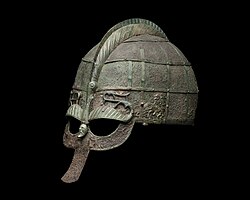
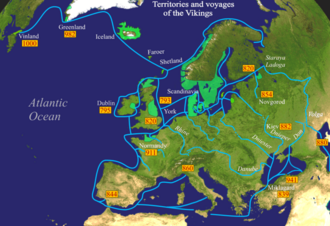
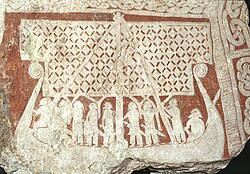
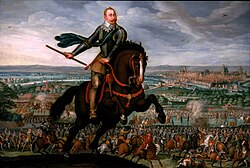
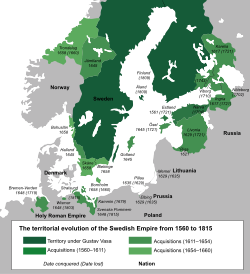
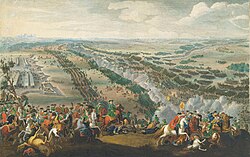
Following this period, Sweden became part of the Kalmar Union from 1397 to 1523. The nation later rose to prominence as the Swedish Empire between 1611 and 1721, a time of significant territorial influence and military power.
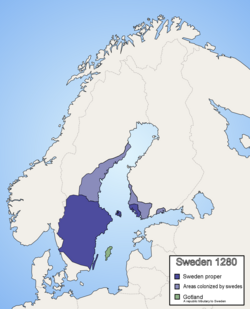

Modern Transitions and the Post-War Era
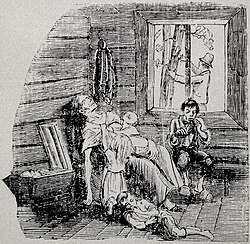
The modern history of Sweden is marked by significant shifts in governance and social structure. The 19th century saw periods of hardship, such as the famine of 1867–1869, which contributed to large-scale emigration to other parts of the world.

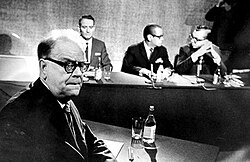
In the 20th century, Sweden developed its robust social model. The post-war era saw the rise of influential political figures and the expansion of the welfare state, leading to the high Human Development Index (HDI) the country enjoys today.
Geography, Climate, and Nature
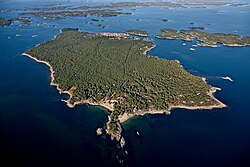
Sweden's geography is characterized by diverse landscapes, ranging from coastal archipelagos to vast northern forests and mountains. The country is divided into several distinct vegetation zones, which are influenced by its northern latitude.
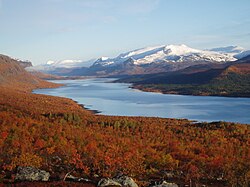
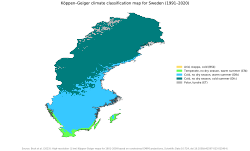
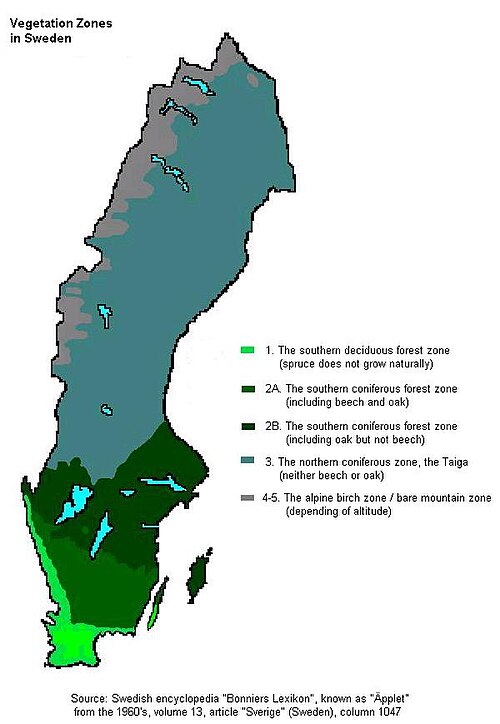
These zones include the southern deciduous and coniferous forests, the northern coniferous forest (also known as the Taiga), the alpine-birch zone, and the bare mountain zone. This environmental diversity supports a wide array of wildlife and provides stunning scenery for national parks.
Government and Political Structure
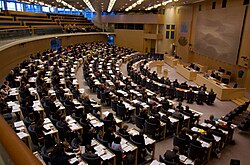
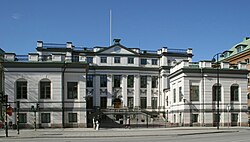
Sweden operates as a unitary parliamentary constitutional monarchy. While the Monarch serves as the Head of State, the political power is held by the Riksdag (the legislature) and the Government. The Prime Minister leads the executive branch, managing the country's administration and foreign relations.
![Rosenbad, in central Stockholm, has been the seat of the Government since 1981.[144]](/images/71/87/71878e105bf1b44339c4ede6029c56cf5f83574e929439b13071b957a5237746.jpg)

Economy, Innovation, and Industry
Sweden boasts a highly developed economy with a strong emphasis on technology and sustainability. It is home to several global giants, including IKEA, the world's largest furniture retailer, and H&M, a leader in the fashion industry. The nation is also a hub for digital innovation, evidenced by the global success of services like Spotify.

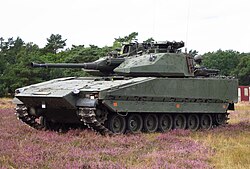

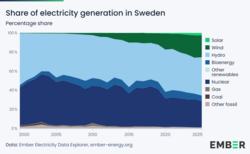
The Swedish energy sector is a critical component of its economy, with a significant focus on diverse electricity generation methods to support its modern infrastructure.
Culture, Science, and Lifestyle
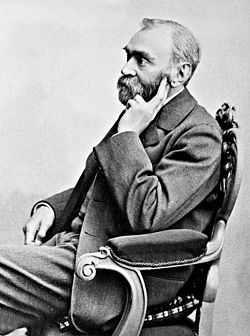
Swedish culture is internationally recognized through its music, literature, and scientific contributions. From the legendary Nobel Prizes to the global pop phenomenon of ABBA, Sweden's influence is profound. The nation also celebrates unique traditions, such as St. Lucy's Day.

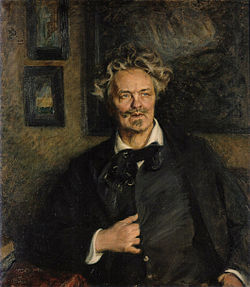
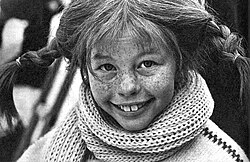

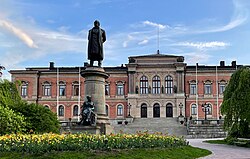
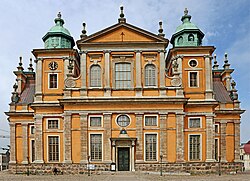
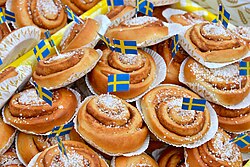
In terms of daily life, Swedish cuisine and architecture play central roles. Whether it is the enjoyment of traditional cinnamon rolls or the appreciation of historic cathedrals and universities, the Swedish lifestyle is deeply rooted in its heritage.
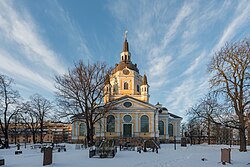
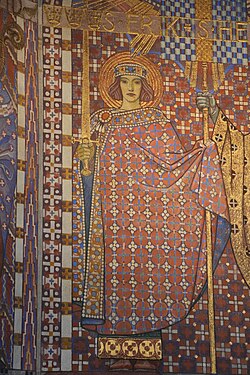
Infrastructure and Connectivity
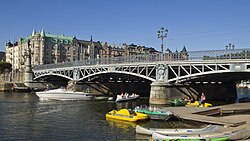
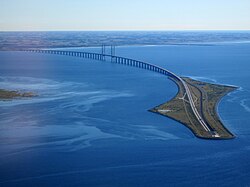
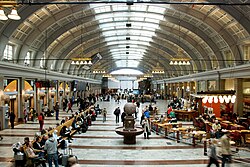
Sweden's infrastructure facilitates efficient movement across its territory and connects it closely to its neighbors. Major bridges, motorways, and transport hubs like Stockholm Central Station are vital for both domestic and international travel.

Demographics and Urbanization
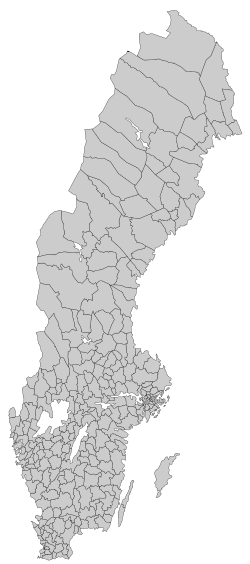
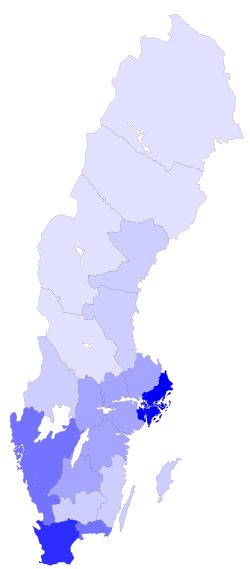
The population is concentrated in several major urban centers, with Stockholm being the largest. The distribution of people varies significantly between the densely populated southern counties and the more sparsely populated northern regions.
| Category | Value/Detail |
|---|---|
| Capital City | Stockholm |
| Total Area | 450,295 km² |
| GDP (Nominal) 2026 Est. | $760.481 billion |
| HDI (2023) | 0.959 (Very High) |
| Official Language | Swedish |
Frequently Asked Questions
What is the government structure of Sweden?
Sweden is a unitary parliamentary constitutional monarchy. This means it has a monarch as the head of state, but the actual political power is exercised by the Riksdag (parliament) and the Government led by the Prime Minister.
What are the official languages in Sweden?
The official main language is Swedish. However, the country also recognizes five national minority languages: Sámi, Finnish, Meänkieli, Romani, and Yiddish.
How is the Swedish economy characterized?
Sweden has a highly developed, advanced economy. It is known for its strong technological sector, significant global companies like IKEA and H&M, and a high standard of living with a strong emphasis on social welfare and innovation.
What are the major vegetation zones in Sweden?
Sweden features several vegetation zones, including southern deciduous forests, southern coniferous forests, the northern coniferous forest (Taiga), the alpine-birch zone, and the bare mountain zone.
Which cities are the largest in Sweden?
The largest cities in Sweden include Stockholm, Gothenburg, Malmö, Uppsala, and Linköping.