The Armored Legacy of Stegosaurus: A Journey Through Time
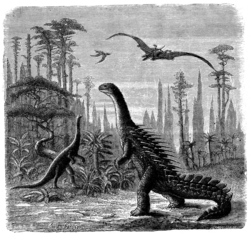
Few dinosaurs capture the human imagination quite like Stegosaurus. With its iconic silhouette of towering plates and a formidable spiked tail, this herbivore has become a global symbol of the prehistoric world. Living during the Late Jurassic period, approximately 155 to 145 million years ago, Stegosaurus navigated a landscape dominated by massive predators, relying on its unique biological defenses to survive.
From the intense "Bone Wars" of the 19th century to modern paleontological discoveries, our understanding of this "armored roof lizard" has evolved significantly. Today, we look closer at the science, the species, and the fascinating history of one of the most recognizable dinosaurs to ever walk the Earth.
Key Facts
- Temporal Range: Late Jurassic (Kimmeridgian to Tithonian), 155–145 Ma.
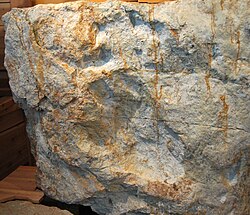
- Primary Habitat: Morrison Formation (Colorado, Wyoming, and Utah).
- Defining Features: Large dorsal plates and a spiked tail known as a thagomizer.
- Type Species: Stegosaurus stenops.
- Diet: Herbivore.
Scientific Classification and Species
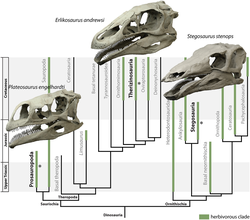
Stegosaurus belongs to the clade Thyreophora, a group of dinosaurs characterized by their dermal armor. Within this group, the genus Stegosaurus is divided into several recognized species, though historical naming has often been a source of scientific debate.
The Primary Species
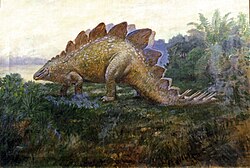
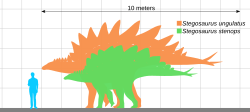
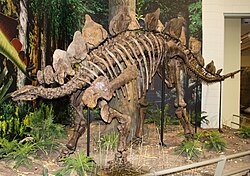
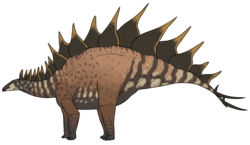
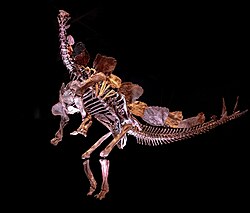
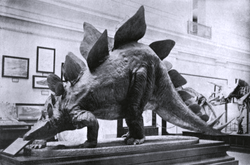
The most well-known species is Stegosaurus stenops, named by Othniel Charles Marsh in 1887. Its name translates to "narrow-faced roof lizard." This species is the most thoroughly studied because its remains include at least one complete articulated skeleton. S. stenops typically reached lengths of about 6.5 meters (21 feet) and featured large, broad plates arranged in a staggered double row along its back.
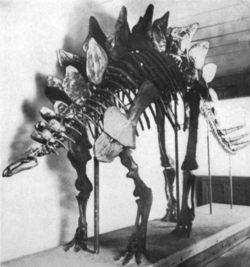
Another significant species is Stegosaurus ungulatus. While historical interpretations of its plate arrangement have changed—moving from wide-set paired plates to the staggered midline rows we recognize today—it remains a vital part of the genus's history.
Historical Synonyms and Reclassifications
The history of Stegosaurus taxonomy is complex, shaped by the competitive "Bone Wars." Several names once used to describe Stegosaurus are now considered synonyms (names that refer to the same animal) or nomen dubium (names of uncertain application):
- Stegosaurus armatus: Originally the type species, it is now considered a nomen dubium because the original specimen was too fragmentary to allow for accurate comparison. Consequently, S. stenops was officially designated as the type species in 2013.
- Stegosaurus duplex: Now generally considered a synonym of S. ungulatus.
- Hypsirhophus: Often considered a synonym of Stegosaurus, though some researchers suggest it may be a distinct genus based on vertebral differences.
Physical Description and Anatomy
The anatomy of Stegosaurus is a masterclass in specialized evolution. While much of our knowledge comes from mature specimens, recent discoveries of juveniles have provided insight into how these animals grew.
The Skull and Skeleton
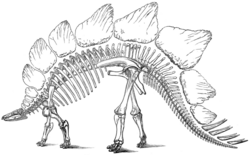
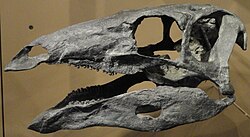
The skull of S. stenops is relatively small compared to the massive body. While early theories suggested a "second brain" in the hip region due to an enlarged neural canal (the space for the spinal cord), modern science focuses on the animal's overall skeletal structure and its ability to support its weight.

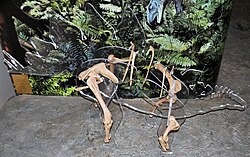
Growth studies indicate that the plates and spikes grew more slowly than the rest of the skeleton, only reaching full size as the dinosaur reached maturity. Juvenile specimens, such as those found in Wyoming, were significantly smaller, with some measuring only 1.5 meters in length.
Dermal Plates and the Thagomizer
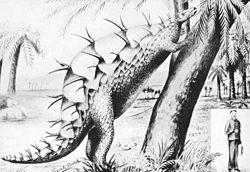
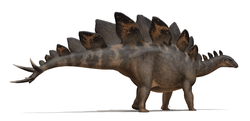
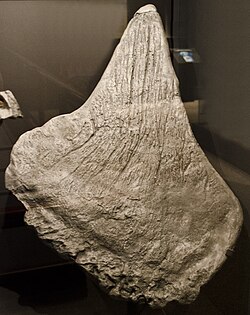
The most striking feature of Stegosaurus is its dermal plates. These large structures were arranged in alternating, staggered rows along the back. While their exact purpose is still debated—theories include thermoregulation (controlling body temperature) or display—they are undeniably central to the animal's identity.
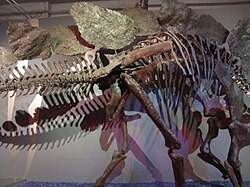
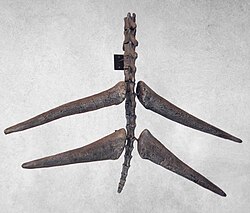
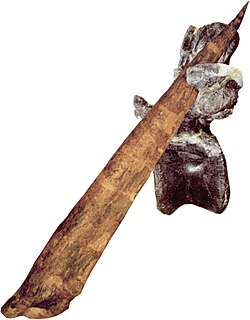
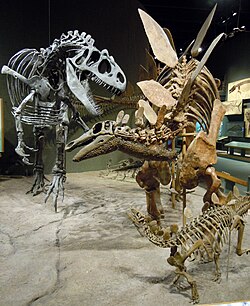
Complementing the plates is the thagomizer, a set of four spikes located at the end of the tail. These spikes served as a potent defensive weapon. Evidence suggests these spikes were capable of inflicting serious injury, with fossil records even showing instances where a thagomizer punctured the vertebrae of a predator like Allosaurus.
Summary of Stegosaurus Species
| Species | Meaning of Name | Status |
|---|---|---|
| S. stenops | Narrow-faced roof lizard | Type species |
| S. ungulatus | (Not specified) | Valid species |
| S. sulcatus | (Not specified) | Valid species |
| S. armatus | Armored roof lizard | Nomen dubium |
| S. duplex | Two plexus roof lizard | Synonym of S. ungulatus |
Frequently Asked Questions
Did Stegosaurus have a second brain?
No. While early researchers noted an enlarged neural canal in the sacral (hip) region, this was not a second brain. It was an anatomical feature of the spinal canal, not a center for complex intelligence.
How did Stegosaurus defend itself?
Stegosaurus used its tail spikes, known as a thagomizer, for defense. These spikes were powerful enough to puncture the bones of predators like Allosaurus.
What was the purpose of the plates on its back?
The exact function of the plates is still a subject of scientific study. Leading theories suggest they may have been used for thermoregulation (absorbing or radiating heat) or for visual display to attract mates or intimidate rivals.
How large did a Stegosaurus grow?
Size varied by species and age. A mature S. stenops could reach approximately 6.5 meters (21 feet) in length, while subadult specimens have been found measuring around 4.6 meters (15.1 feet).
Where can I see Stegosaurus fossils?
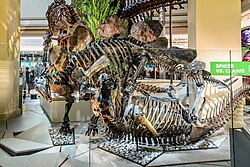
Notable specimens are on display at various institutions, including the American Museum of Natural History, the Smithsonian National Museum of Natural History, and the Peabody Museum of Natural History.