Species Classification: The Foundations of Biological Diversity
In the study of life, a species serves as the fundamental unit of classification and a critical measure of biodiversity. At its most basic level, a species is often defined as the largest group of organisms where any two individuals of the appropriate mating types can produce fertile offspring, typically through sexual reproduction. However, defining a species is rarely simple; scientists also rely on DNA sequences, morphology (physical form), behavior, and ecological niches to draw these boundaries.
Current scientific estimates suggest that there are between 8 and 8.7 million eukaryotic species on Earth, though as of 2011, only about 14% of these had been formally described. Because life is constantly evolving, the process of categorization remains a dynamic challenge for biologists and paleontologists alike.
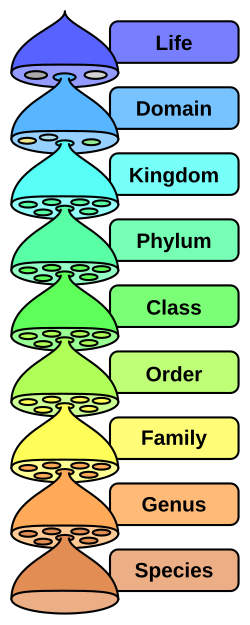
Key Facts

- Basic Unit: The species is the primary taxonomic rank used to categorize organisms.
- Naming: All species use a two-part binomial name consisting of the genus and a specific epithet.
- Diversity: There are an estimated 8 to 8.7 million eukaryotic species, the majority of which remain undescribed.
- Evolution: Species are not fixed; they change over time through natural selection, mutation, and genetic drift.
- Paleontology: Because reproduction cannot be observed in fossils, paleontologists use the concept of chronospecies.
Taxonomy and the Binomial System
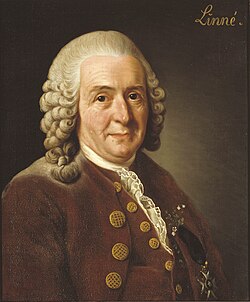
To maintain global consistency, scientists use binomial nomenclature, a system created by Carl Linnaeus. This system assigns every species a two-part scientific name. The first part identifies the genus (the group to which the species belongs), and the second part is the specific epithet.
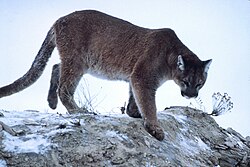
For example, the boa constrictor is named Boa constrictor, where Boa is the genus and constrictor is the specific name. This prevents the confusion caused by common names; for instance, the animal known as a cougar, mountain lion, panther, or puma is scientifically identified as a single species: Puma concolor.
Diverse Species Concepts
Because different organisms reproduce in different ways, no single definition of a species fits every scenario. Biologists employ various "species concepts" depending on the data available.
The Biological Species Concept
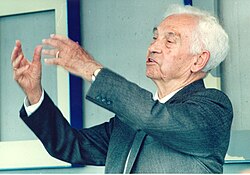
Proposed by Ernst Mayr in 1942, this concept focuses on reproductive isolation. It posits that species are groups of actually or potentially interbreeding natural populations which are reproductively isolated from other such groups.
Phylogenetic and Cladistic Concepts
The cladistic or phylogenetic species concept defines a species as the smallest lineage distinguished by a unique set of genetic or morphological traits. This approach is particularly valuable in paleontology, as it does not require evidence of reproductive isolation.

Morphological and Barcode Species
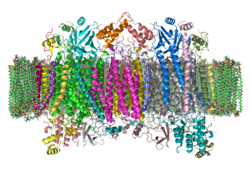
Morphological species are identified by their physical characteristics. In modern biology, this is often supplemented by DNA barcoding, which uses a specific region of the gene for the cytochrome c oxidase enzyme to distinguish species within a database.
![All adult Eurasian blue tits share the same coloration, unmistakably identifying the morphospecies.[9]](/images/ce/13/ce13a6e713079c482ec032516248fb5d0c56d281860a41d7f7f4df44fb9419d6.jpg)
Chronospecies and Quasispecies
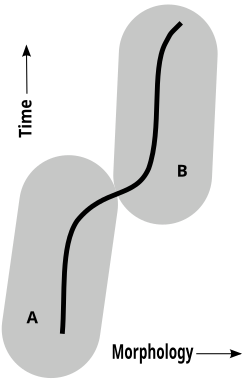
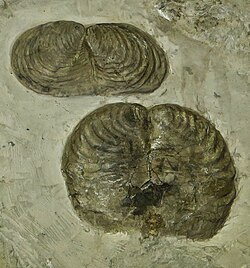
In the fossil record, paleontologists identify chronospecies—lineages that change morphology over time until the descendant is sufficiently different from the ancestor to be labeled a new species. Meanwhile, viruses are often treated as quasispecies, driven by a rapid balance of mutation and selection.
The "Species Problem" and Evolutionary Challenges
The transition from one species to another is rarely a clean break. Several biological phenomena complicate simple definitions:
- Hybridization: When two distinct species interbreed, the boundaries between them blur.
- Ring Species: A population that expands around a geographic barrier (like a mountain range), where neighboring populations can interbreed, but the two ends of the "ring" cannot.
- Asexual Reproduction: In organisms that clone themselves, the concept of reproductive isolation is irrelevant, making each clonal lineage a potential microspecies.
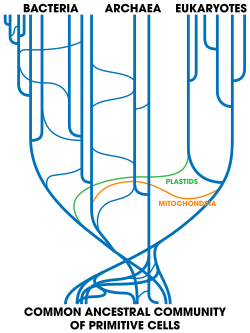
- Horizontal Gene Transfer: Common in bacteria, this is the exchange of genetic material between widely separated species, complicating the evolutionary tree.
Summary of Species Concepts
| Concept | Primary Criteria | Main Application |
|---|---|---|
| Biological | Reproductive Isolation | Sexually reproducing animals/plants |
| Phylogenetic | Unique Genetic/Morphological Traits | Cladistics and Paleontology |
| Morphological | Physical Appearance | Fossils and Field Identification |
| Chronospecies | Morphological Change Over Time | Evolutionary Lineages in Fossils |
| Barcode | Specific DNA Sequences | Rapid Genetic Identification |
Frequently Asked Questions
What is the difference between a genus and a species?
A genus is a broader taxonomic rank that contains one or more closely related species. For example, Boa is a genus that includes the species Boa constrictor.
Why is it difficult to define a species?
Defining a species is difficult because evolutionary processes are continuous. Phenomena like hybridization, ring species, and asexual reproduction create "gray areas" where organisms do not fit neatly into a single category.
How do scientists name a new species?
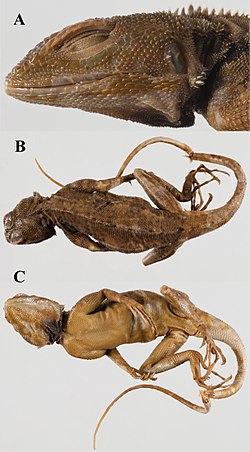
Scientists use binomial nomenclature, providing a two-part Latinized name. They often describe the species based on a holotype, which is a single physical specimen that serves as the definitive example of that species.
How many species are there on Earth?
While the exact number is unknown, rigorous estimates for eukaryotes range between 8 and 8.7 million, though only a small fraction have been formally described by science.
What is a chronospecies?
A chronospecies is a species in a single lineage that changes its physical form over time. When enough anatomical change occurs, paleontologists designate the different stages as separate species separated by time.