Species Classification and the Complexity of Biological Diversity
In the study of life, a species serves as the fundamental unit of biological classification and a primary measure of biodiversity. At its most basic level, a species is often described as the largest group of organisms where any two individuals of the appropriate mating types can produce fertile offspring, typically through sexual reproduction. However, defining a species is rarely straightforward.
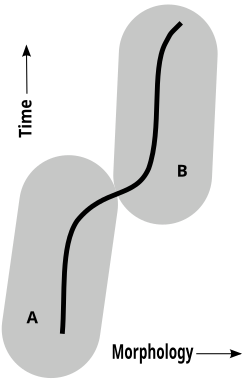
Beyond reproductive capability, scientists utilize various other markers to distinguish species, including karyotypes (the number and appearance of chromosomes), DNA sequences, physical morphology, behavior, and the specific ecological niche an organism occupies. For those studying the ancient past, palaeontologists rely on the concept of the chronospecies, as the reproductive habits of extinct organisms cannot be observed.
Current scientific estimates suggest there are between 8 and 8.7 million eukaryotic species on Earth, though as of 2011, only about 14% of these had been formally described.
Key Facts

- Binomial Nomenclature: Every species is assigned a two-part name consisting of the genus and a specific epithet (e.g., Boa constrictor).
- Biodiversity Scale: There are an estimated 8 to 8.7 million eukaryotic species globally.
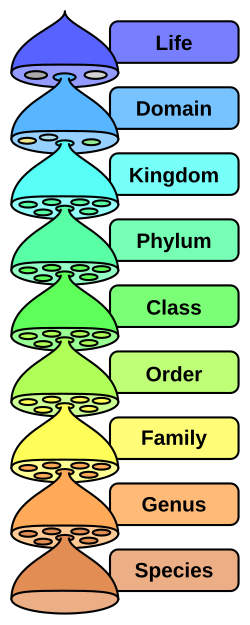
- Taxonomic Ranks: Species are the basic unit of classification, sitting within a hierarchy that includes the genus.
- Evolutionary Change: Species are not fixed; they evolve over time through mutation, recombination, and natural selection.
- Palaeontology: Fossil species are identified primarily through morphological evidence and chronospecies lineages.
The Challenge of Defining a Species

While the idea of reproductive isolation is a helpful starting point, it creates what biologists call the "species problem." Several biological phenomena complicate simple definitions:
- Hybridisation: When closely related species interbreed, the boundaries between them blur.
- Asexual Reproduction: For organisms that clone themselves, the concept of reproductive isolation is irrelevant, meaning each clonal lineage could potentially be viewed as a microspecies.
- Ring Species: These occur when populations diverge around a geographic barrier, where neighboring populations can interbreed, but the two ends of the "ring" cannot.
![All adult Eurasian blue tits share the same coloration, unmistakably identifying the morphospecies.[9]](/images/ce/13/ce13a6e713079c482ec032516248fb5d0c56d281860a41d7f7f4df44fb9419d6.jpg)
Diverse Species Concepts
To address these complexities, different scientific disciplines use different concepts:
- Biological Species Concept: Proposed by Ernst Mayr in 1942, this emphasizes reproductive isolation.
- Phylogenetic (Cladistic) Species Concept: Defines a species as the smallest lineage distinguished by a unique set of genetic or morphological traits. This is particularly useful in palaeontology.
- Barcode Species: Uses a specific region of the gene for the cytochrome c oxidase enzyme to distinguish species via a database.

Taxonomy and Naming Conventions
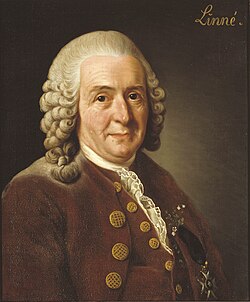
The system for naming species was revolutionized by Carl Linnaeus, who created the binomial system. This ensures that every organism has a unique, universally recognized scientific name, regardless of the common names used in different languages.
For example, the animal known commonly as a cougar, mountain lion, panther, or puma is scientifically identified as Puma concolor. The first part, Puma, represents the genus, while concolor is the specific epithet.

The Role of the Type Specimen
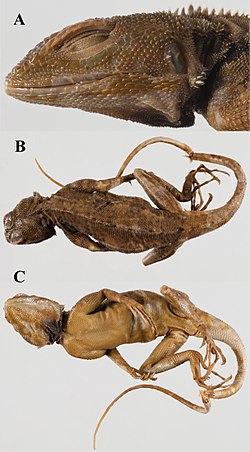
When a species is first described, a holotype (type specimen) is designated. This physical specimen serves as the definitive reference point for the species' characteristics.
Evolution and Change
Historically, from Aristotle until the 18th century, species were viewed as fixed categories in a "great chain of being." This changed in the 19th century, most notably with Charles Darwin's 1859 work, On the Origin of Species, which introduced natural selection as the mechanism for how species arise and change.
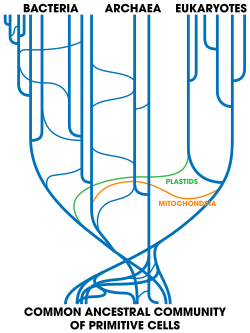
Modern science has expanded this understanding through genetics. We now know that genetic variability arises from mutations and recombination. Geographical isolation and genetic drift further drive the divergence of populations. In some cases, such as with bacteria, horizontal gene transfer allows genes to be exchanged between widely separated species, complicating the evolutionary tree.
Chronospecies and Fossil Records
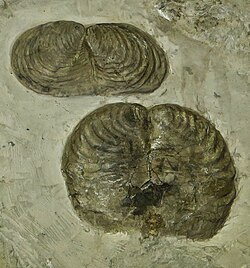
In the fossil record, species change gradually over time. A chronospecies is a lineage whose morphology shifts so significantly over time that palaeontologists eventually designate a break between two different species (e.g., Species A evolving into Species B).
Summary of Species Concepts
| Concept | Primary Criteria | Best Application |
|---|---|---|
| Biological | Reproductive Isolation | Sexually reproducing extant species |
| Phylogenetic | Unique Genetic/Morphological Traits | Palaeontology and Cladistics |
| Morphological | Physical Appearance | Fossil identification |
| Barcode | Specific DNA Sequences | Rapid identification and database matching |
| Chronospecies | Morphological change over time | Single evolutionary lineages in fossils |
Frequently Asked Questions
What is the difference between a genus and a species?
A genus is a broader taxonomic rank that contains one or more closely related species. The species is the most specific basic unit of classification.
Why is it difficult to define a species for bacteria?
Bacteria often reproduce asexually and can engage in horizontal gene transfer, which allows them to exchange genetic material across different lineages, making the traditional reproductive definition of a species inapplicable.
What is a ring species?
A ring species is a population that wraps around a geographic barrier. While adjacent populations can interbreed, the populations at the two opposite ends of the ring are too genetically or behaviorally different to mate.
How do palaeontologists identify species without DNA?
Palaeontologists rely on morphological evidence—the physical structure and shape of fossils—and the study of chronospecies to determine when enough anatomical change has occurred to define a new species.
What is binomial nomenclature?
It is the formal system of naming species using two parts: the genus name (capitalized) and the specific epithet (lowercase), both typically written in italics.