Spanish Colonization of the Americas: Empire, Governance, and Impact
The Spanish colonization of the Americas began in 1493 on the island of Hispaniola, following the 1492 voyage of Genoese mariner Christopher Columbus, who sailed under the license of Queen Isabella I of Castile. For centuries, these vast overseas territories were under the jurisdiction of the Crown of Castile, lasting until the final territory was lost in 1898. Driven by the pursuit of wealth and the desire to expand the Catholic Church, Spain established a complex imperial system that reshaped the demographics, culture, and politics of the Western Hemisphere.
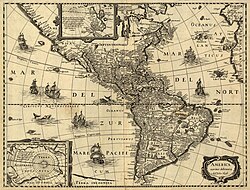
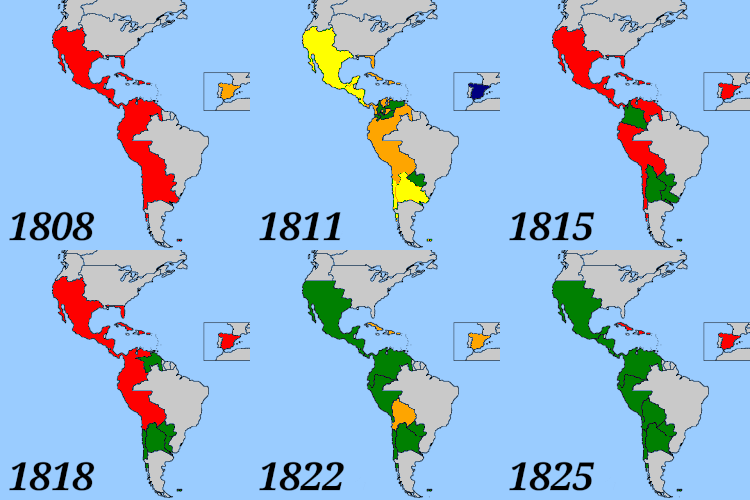
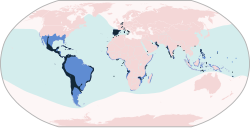
The Spanish Empire claimed nearly the entire New World, spanning the Caribbean, North America, and South America. The only major exception was Brazil, which was ceded to Portugal via the Treaty of Tordesillas.
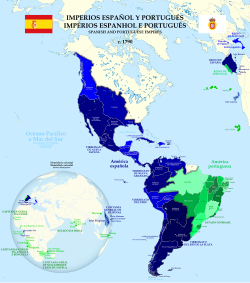
Key Facts
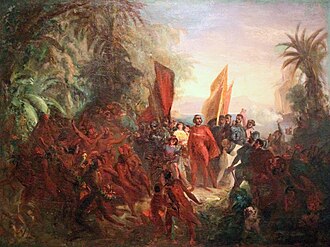
- Timeline: Primary colonization began in 1493 and ended with the loss of the last territories in 1898.
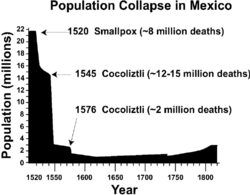
- Demographic Shift: The indigenous population plummeted by an estimated 80% in the first 150 years, largely due to infectious diseases.
- Migration: Approximately 1.86 million Spaniards settled in the Americas between 1492 and 1832.
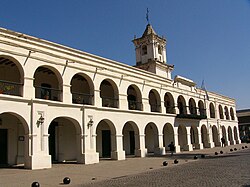
- Administration: The empire was managed through a hierarchy of viceroyalties, audiencias (high courts), and cabildos (town councils).
- Economy: Wealth was primarily driven by indigenous tribute, silver mining, and sugar plantations.
Imperial Expansion and Settlement
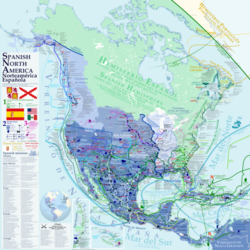
Spanish expansion was characterized by the settlement of areas with dense indigenous populations and valuable natural resources. In the Caribbean, early settlements served as springboards for mainland conquests. In North America, the Spanish established St. Augustine, Florida, in 1565—arguably the oldest city in the United States—and later founded Santa Fe, New Mexico, in 1610.
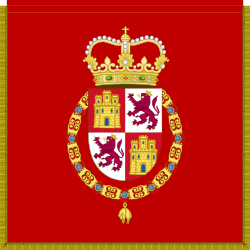
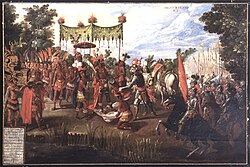
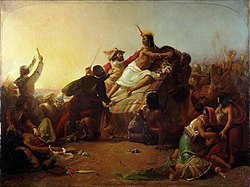
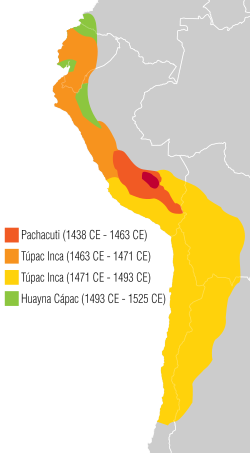
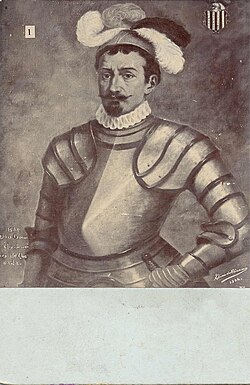
The conquest of the mainland saw the fall of great empires. In Mexico, Hernán Cortés led the campaign against the Aztecs, while in Peru, Francisco Pizarro seized the Inca Empire. These conquests were not merely military victories but ecological and biological upheavals.
The Demographic Catastrophe
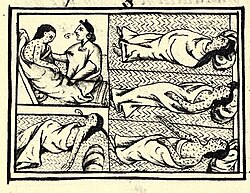
The arrival of Europeans triggered a demographic catastrophe. The introduction of Old World diseases, such as smallpox, to which indigenous peoples had no immunity, caused a population collapse. This loss of life was further exacerbated by forced labor, slavery, and forced resettlement into missions and villages.
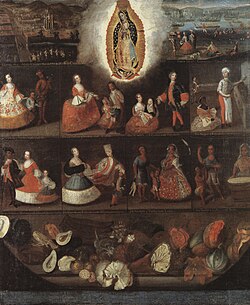
To replace the dwindling indigenous labor force, Europeans imported enslaved Africans to the Caribbean and other regions. Over time, the interaction between Spaniards, Indigenous peoples, and Africans led to the emergence of a mixed-race casta population.
Civil Governance and Administration
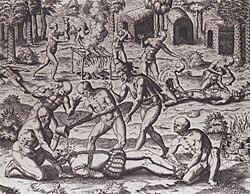
![Theodor de Bry illustration depicting Spanish atrocities during the conquest of Hispaniola. Las Casas wrote about the cruelty of Spanish settlers: "They erected certain Gibbets, large, but low made, so that their feet almost reached the ground, every one of which was so ordered as to bear Thirteen Persons in Honour and Reverence (as they said blasphemously) of our Redeemer and his Twelve Apostles, under which they made a Fire to burn them to Ashes whilst hanging on them"[15]](/images/a3/b7/a3b71c359c7dc802065c8dc247323b92bdc4d51bae4902ab763a9189e95a7dcb.jpg)
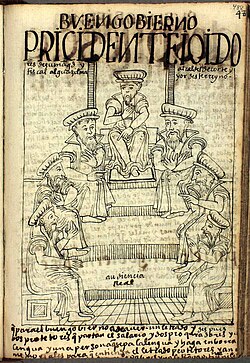
To manage its sprawling territories, the Spanish Crown implemented a rigid administrative structure. At the top was the Council of the Indies, which oversaw legislation and judicial matters for the New World.
Viceroyalties and Local Rule
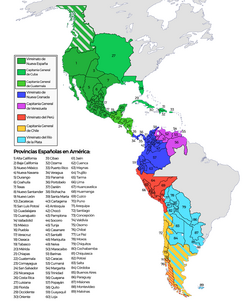
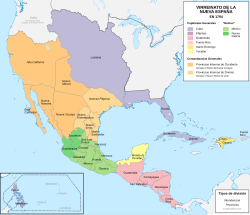
The empire was divided into viceroyalties—large administrative districts governed by a viceroy representing the monarch. Key viceroyalties included New Spain and Peru, later expanding to include New Granada and Río de la Plata.
- Audiencias: High courts that served as both judicial bodies and advisory councils to the viceroys.
- Cabildos: Local town councils that managed municipal affairs.
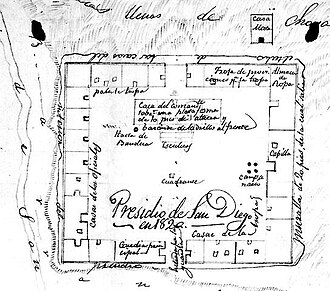
- Presidios and Missions: Frontier institutions used to secure borders and convert indigenous populations to Catholicism.
The Role of the Catholic Church
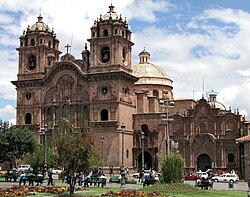
Religion was central to the Spanish imperial project. The Church worked to incorporate indigenous peoples into the Catholic faith, sometimes peacefully and other times by force. The Jesuits played a prominent role in education and missions, while the Holy Office of the Inquisition ensured religious orthodoxy.
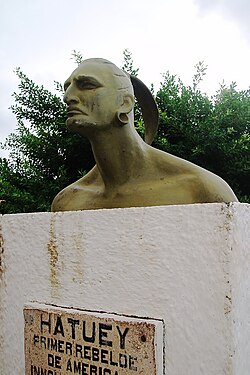
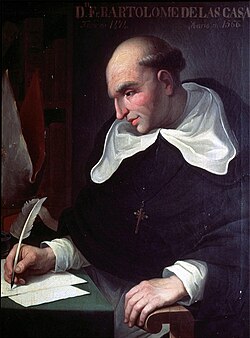
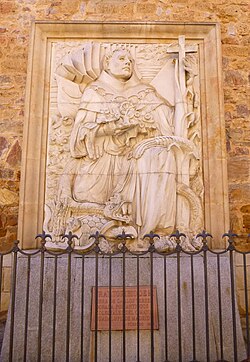
However, the treatment of indigenous peoples was a point of intense debate. Fray Bartolomé de Las Casas, known as the "Protector of the Indians," documented Spanish atrocities and advocated for the rights of indigenous vassals, leading the Crown to implement laws to curb settler exploitation.
Economic Foundations
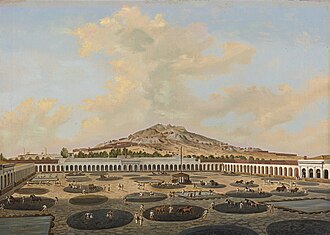
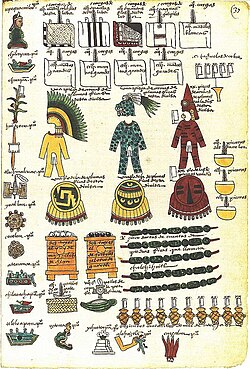
The Spanish economy in the Americas evolved from the extraction of indigenous tribute to large-scale resource exploitation. Silver became the cornerstone of imperial wealth, with the "silver mountain" of Potosí becoming one of the most famous mining sites in the world.
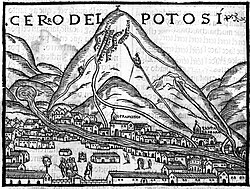
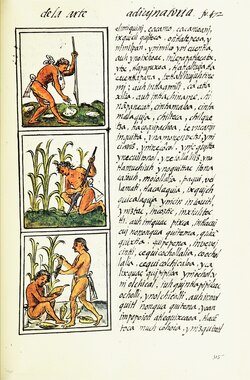
Agriculture also played a vital role. The Spanish introduced ranching and developed export products, while sugar plantations in the Caribbean relied heavily on the labor of enslaved Africans.
| Category | Key Institutions/Elements | Primary Purpose |
|---|---|---|
| Governance | Viceroyalties, Audiencias, Cabildos | Royal control and local administration |
| Religion | Catholic Church, Jesuits, Inquisition | Evangelization and social control |
| Economy | Silver Mining, Sugar, Tribute | Wealth extraction for the Crown |
| Labor | Indigenous forced labor, African slavery | Resource extraction and agriculture |
Frequently Asked Questions
Why did the indigenous population decline so sharply?
The primary cause was the spread of infectious diseases from Europe, to which indigenous populations had no natural immunity. This was compounded by the stresses of forced labor, slavery, and displacement.
What was the purpose of the Viceroyalties?
Viceroyalties were the largest administrative divisions of the Spanish Empire, designed to allow the Crown to exercise authority over vast distances through a viceroy who acted as the monarch's direct representative.
How did the casta system develop?
The casta system was a social hierarchy that emerged from the racial mixing between Spanish settlers, indigenous peoples, and enslaved Africans, categorizing individuals based on their ancestral heritage.
What was the significance of Potosí?
Potosí was home to one of the world's largest silver deposits. The extraction of silver from this "silver mountain" provided the Spanish Crown with immense wealth and fueled global trade for centuries.
Who was Bartolomé de Las Casas?
He was a Spanish friar and advocate for indigenous rights who documented the cruelties of the conquest and pushed the Spanish Crown to enact laws protecting indigenous peoples from exploitation.