South Korean Festivals: A Journey Through Culture, Nature, and Tradition
South Korea is a nation where ancient traditions meet modern vitality. While the country officially adopted the Gregorian calendar in 1896, many of its most cherished holidays remain rooted in the traditional lunar calendar. In recent years, a surge in tourism initiatives, combined with a shift toward a five-day work week and increased leisure time, has led to the birth of numerous vibrant festivals across the peninsula.
From the glowing lanterns of Seoul to the muddy shores of Boryeong, these celebrations offer a window into the diverse regional identities of South Korea. Whether you are seeking the serenity of cherry blossoms or the high energy of an international fireworks display, there is a festival for every traveler.
Key Facts
- Calendar Usage: South Korea uses the Gregorian calendar officially, but traditional holidays follow the old lunar calendar.
- Growth Drivers: Increased leisure time and national tourism initiatives have expanded the festival landscape.
- Regional Diversity: Festivals range from seasonal flower celebrations to historical commemorations and modern music events.
- Major Hubs: Seoul, Gyeonggi Province, and various coastal regions host the most prominent international events.
Major Festivals in Seoul
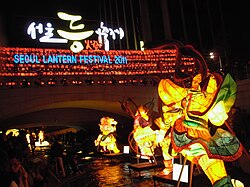
Seoul Lantern Festival
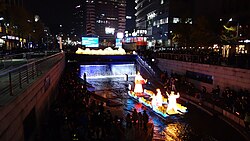
Held annually around the Cheonggyecheon stream, this festival first debuted in 2009. It has seen explosive growth; for instance, in 2010, visitor numbers quadrupled compared to its inaugural year. The festival often uses themes to tell stories of Seoul's past and the daily lives of Korean ancestors.
Seoul International Fireworks Festival
Located at the Yeouido Han River Park, this event has been a staple since 2000. While it has faced occasional cancellations due to global events or health concerns, it remains a massive international draw, featuring teams from countries such as South Korea, the United States, Japan, China, Italy, and more.
Seasonal Flower Festivals
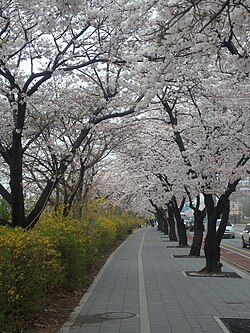
As spring arrives, the Seoul Spring Flower Festival takes place in Yeouido, timed to the blooming of the cherry blossoms. Similarly, the Seoul Eulalia Festival celebrates the silver grass in Mapo District's Worldcup Park every October. Notably, the park itself was repurposed from a former landfill following the 2002 FIFA World Cup.
Regional Highlights Across South Korea
Gyeonggi Province: Flowers and Ceramics
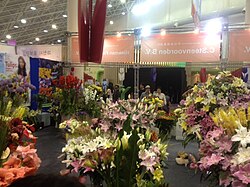
The Goyang International Flower Festival is a major event held every three years at Ilsan Lake Park, attracting participants from dozens of countries. Nearby, the Gyeonggi International Ceramic Biennale celebrates the deep history of Icheon, a city designated as a UNESCO Creative City due to its long-standing tradition of ceramic production dating back to the Bronze Age.
South Chungcheong: Mud and History
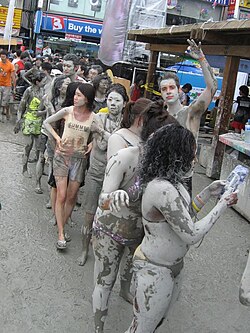
The Boryeong Mud Festival is a world-famous event held at Daechon Beach. It originated in 1998 following the development of mud cosmetics. For those interested in history, the Great Admiral Yisunsin Festival honors the legendary naval commander.
Gangwon and South Gyeongsang: Ice and Blossoms
In the colder months, the Hwacheon Sancheoneo Ice Festival offers unique snow and ice experiences. As temperatures rise, the Jinhae Gunhang Festival becomes one of the most popular destinations in the country, famous for its breathtaking cherry blossom displays.
Cultural Traditions in the South
The Jinju Namgang Yudeung Festival carries deep historical weight, using lanterns to commemorate soldiers and citizens from the 16th-century wars. In Hadong, the Wild Tea Cultural Festival celebrates the region's high-quality green tea, a tradition that traces back to the Silla Dynasty.
Summary of Notable Festivals
| Festival Name | Region | Primary Theme/Focus |
|---|---|---|
| Seoul Lantern Festival | Seoul | Lantern displays and history |
| Boryeong Mud Festival | South Chungcheong | Mud-based activities and cosmetics |
| Jinhae Gunhang Festival | South Gyeongsang | Cherry blossoms |
| Goyang International Flower Festival | Gyeonggi | International floral displays |
| Hwacheon Sancheoneo Ice Festival | Gangwon | Ice fishing and winter activities |
Frequently Asked Questions
When is the best time to see cherry blossoms in Korea?
The timing varies by location, but many major festivals, such as the Seoul Spring Flower Festival and the Jinhae Gunhang Festival, typically occur in early to mid-April.
What is the significance of the Jinju Namgang Yudeung Festival?
The festival uses floating lanterns to honor the memory of those lost during historical conflicts in the 1590s, serving as a symbol of peace and prosperity.
Are most festivals in Korea held on the Gregorian calendar?
While official schedules and modern festivals follow the Gregorian calendar, many traditional holidays are still observed based on the lunar calendar.
Is the Boryeong Mud Festival suitable for families?
Yes, the festival is a major attraction that grew from the development of mud cosmetics and has become a widely recognized event for both domestic and international visitors.
What makes Icheon famous for ceramics?
Icheon has a history of ceramic production dating back to the Bronze Age and was recognized by UNESCO as a Creative City due to this long-standing cultural heritage.