Ministry of Culture, Sports and Tourism: Driving South Korea's Global Cultural Influence
The Ministry of Culture, Sports and Tourism (MCST) serves as a central government agency of South Korea, tasked with the vital mission of managing and promoting the nation's tourism, culture, arts, religion, and sports. From the global phenomenon of K-pop to the preservation of traditional folk music, the MCST plays a foundational role in shaping how the world perceives South Korea.
With a complex organizational structure including two vice ministers, three assistant ministers, and over 60 divisions, the Ministry oversees a vast network of subsidiary entities. These include prestigious institutions such as the National Museum, the National Theater, and the National Library, all working in concert to bolster the nation's cultural identity.
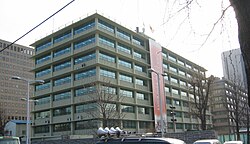
Key Facts
- Established: 29 February 2008
- Headquarters: Sejong City, South Korea
- 2025 Annual Budget: ₩ 7.067 trillion (approximately US$ 4.9 billion)
- Core Jurisdiction: Tourism, culture, art, religion, and sports
- Key Subsidiary: Cultural Heritage Administration
A History of Evolution and Strategic Growth
The roots of the MCST trace back to 1948, when the Ministry of Culture and Tourism functioned as a sub-organization of the Ministry of Education. Over the decades, the agency underwent numerous reorganizations, evolving through various iterations such as the Ministry of Culture and Information and the Ministry of Culture and Sports.
A pivotal shift occurred in 1998 during a period of government reorganization. Following the Asian financial crisis of the 1990s, the government recognized the need for new economic growth drivers. Under the leadership of President Kim Dae Jung, industrial policies were implemented to support the entertainment sector with the same rigor applied to traditional manufacturing. This strategic investment in infrastructure and technology—including concert halls and visual effects—laid the groundwork for the modern K-pop era.
Supporting the Korean Wave (Hallyu)
The Ministry has been instrumental in sustaining Hallyu, or the Korean Wave. In 2012, an advisory committee was established to ensure the longevity of this cultural movement. By 2013, the Ministry allocated 319 billion won (US$280 million) specifically to support Hallyu. The economic impact is significant; in 2012, the Korean wave was estimated to be worth US$83.2 billion, with K-pop alone contributing US$5.26 billion to that figure.
Mission, Budget, and Economic Impact
The MCST justifies its significant budget by linking cultural promotion to South Korea's export-led economic development model. While the Ministry focuses on broad cultural sectors, some industry groups have noted that the budget often benefits related industries—such as Hangul (the Korean alphabet), K-drama, Korean food, fashion, and traditional music—rather than providing direct funding exclusively to K-pop performers.
| Category | Details |
|---|---|
| Current Minister | Chae Hwi-young |
| 1st Vice Minister | Jeon Byeong-geuk (Culture, Arts and Religious Affairs) |
| 2nd Vice Minister | Jang Mi-ran (Sports, Tourism, Policy Promotion) |
| Headquarters Location | Sejong Government Complex, Sejong City |
| Official Website | mcst.go.kr |
Organizational Structure and Affiliates
The Ministry operates through various executive agencies and advisory committees to manage its diverse responsibilities. One notable department is the Korean Culture and Information Service, which works to improve South Korea's national image by managing over 20 Korean Cultural Centers worldwide.
Major Affiliated Institutions
The MCST oversees several key institutions that serve as pillars of Korean heritage and education, including:
- National Museum of Korea
- National Library of Korea
- National Theater of Korea
- Korea National University of Arts
- National Hangeul Museum
Frequently Asked Questions
Where is the MCST headquarters located?
The headquarters are currently located in the Sejong Government Complex in Sejong City. Previously, the headquarters were situated in the Jongno District of Seoul.
What is the purpose of the Korea Open Government License (KOGL)?
The KOGL is a copyright license developed by the Ministry that allows for the legal use and distribution of public materials.
How does the Ministry support the global spread of Korean culture?
Through the Korean Culture and Information Service, the Ministry establishes and manages more than 20 Korean Cultural Centers globally to bring Korean culture closer to international audiences.
What sectors does the MCST oversee?
The Ministry is responsible for a wide range of sectors, including tourism, culture, arts, religion, and sports.
Who was the first Minister of Culture?
The first Minister of Culture was the novelist Lee O-young.