Smithsonian Institution: The World's Largest Museum and Research Complex
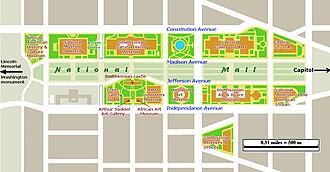
Established on August 10, 1846, the Smithsonian Institution stands as a global beacon of knowledge, culture, and scientific inquiry. Based in Washington, D.C., this massive complex spans multiple locations, including Chantilly, Virginia; New York City; and Suitland, Maryland. It is renowned not only for its vast array of museums but also for its commitment to research and the preservation of human history.
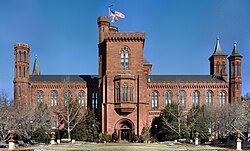
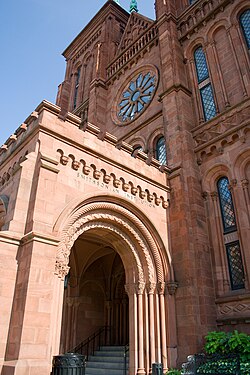
At the heart of the institution is the Smithsonian Institution Building, affectionately known as "the Castle." Completed in 1847, this iconic structure continues to serve as the institution's headquarters, symbolizing the enduring legacy of the Smithsonian's mission to increase and diffuse knowledge.
Key Facts
- Founded: August 10, 1846.
- Headquarters: "The Castle," Washington, D.C.
- Current Secretary: Lonnie Bunch.
- Workforce: 6,375 employees (as of March 28, 2020).
- Governance: Managed by a Board of Regents, including the Chief Justice of the United States and the Vice President.
- Digital Reach: Nearly 3 million images available via Open Access.
Organizational Structure and Governance
The Smithsonian is governed by a Board of Regents, a diverse group of appointed members and ex officio officials. This board ensures the institution's strategic direction and fiscal responsibility. Notable ex officio members include the Chief Justice of the United States, the Vice President, and several members of the U.S. Senate and House of Representatives.
The daily operations are led by the Secretary of the Smithsonian. Lonnie Bunch, the 14th Secretary, assumed office on June 15, 2019. Throughout its history, the institution has been led by distinguished figures, starting with the first secretary, Joseph Henry, who served from 1846 until 1878.

Current Board of Regents (as of July 16, 2026)
The board is composed of both appointed citizens and government officials. Key leadership includes Chair Franklin Raines and Vice Chair Roger W. Ferguson.
| Position | Name | Residence/State | Term Expiration |
|---|---|---|---|
| Chair | Franklin Raines | - | October 2, 2026 |
| Vice Chair | Roger W. Ferguson | Florida | December 21, 2029 |
| Chief Justice (ex officio) | John Roberts | Maryland | - |
| Vice President (ex officio) | JD Vance | - | January 20, 2029 |
Museums, Collections, and Research
The Smithsonian is far more than a collection of galleries; it is a sprawling network of museums, research centers, and cultural hubs. Its collections range from the prehistoric to the futuristic, including everything from the original Starship Enterprise phasers to the ruby slippers from The Wizard of Oz.

Beyond the museums, the institution operates several specialized research centers, such as the Smithsonian Tropical Research Institute and the Smithsonian Conservation Biology Institute. To foster inclusivity and representation, the Smithsonian also manages three dedicated cultural centers:
- Center for Folklife and Cultural Heritage
- Smithsonian Asian Pacific American Center
- Smithsonian Latino Center: This center focuses on Latino history and culture, featuring the Young Ambassadors Program and a Virtual Museum.
Ethical Stewardship and Open Access
In recent years, the Smithsonian has prioritized ethical returns and repatriation, the process of returning cultural artifacts to their countries of origin. A notable example includes the return of the Benin bronzes. Furthermore, the institution has embraced the digital age through its Open Access initiative, releasing 2.8 million images into the public domain to make its treasures accessible to everyone worldwide.
Historical Milestones and Challenges
The journey of the Smithsonian has not been without controversy. The institution has faced scrutiny over the display of the Enola Gay aircraft, copyright restrictions, and debates surrounding the censorship of certain exhibits. More recently, the institution has navigated political shifts, including executive orders aimed at overhauling the presentation of American history.

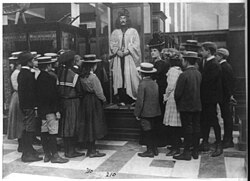
Despite these challenges, the Smithsonian remains a cornerstone of American education. From early school field trips in the late 19th century to modern digital archives, it continues to evolve to meet the needs of a global audience.
Frequently Asked Questions
Who is the current head of the Smithsonian Institution?
The current Secretary of the Smithsonian Institution is Lonnie Bunch, who took office on June 15, 2019.
What is "the Castle"?
"The Castle" is the common name for the Smithsonian Institution Building, completed in 1847. It serves as the institution's earliest building and its current headquarters.
How does the Smithsonian handle artifacts that were acquired unethically?
The Smithsonian engages in ethical returns and repatriation, which involves returning cultural objects, such as the Benin bronzes, to their rightful origins.
Can the public use images from the Smithsonian collections?
Yes, through the Smithsonian Open Access initiative, the institution has released millions of images into the public domain for free use.
Who governs the Smithsonian Institution?
The institution is governed by a Board of Regents, which includes appointed members as well as ex officio members like the Chief Justice of the United States and the Vice President of the United States.